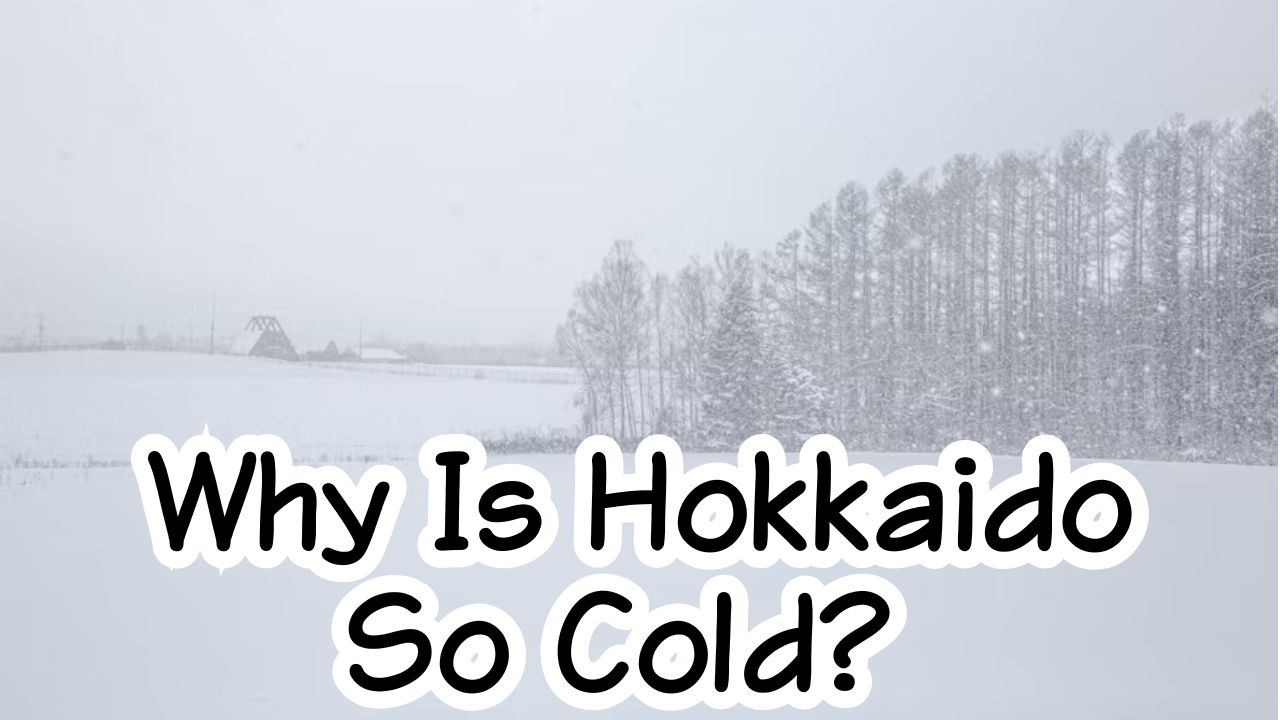
Hokkaido is colder than the rest of Japan because it lies farther north, receives cold air from Siberia, and is surrounded by seas that help create heavy snowfall.
These natural conditions give Hokkaido its cool summers, snowy winters, and beautiful seasonal landscapes.
But its cold climate is actually one of its greatest strengths.
Snow festivals, world-class ski resorts, powder snow, fresh seafood, rich dairy products, and colorful summer flower fields all exist because of Hokkaido’s unique weather.
Once you understand why Hokkaido is so cold, you’ll understand why it’s unlike anywhere else in Japan.
The simplest reason Hokkaido is cold is its location.
Hokkaido is Japan’s northernmost main island and sits much closer to Russia than to Okinawa.
Because it receives less direct sunlight during winter, temperatures remain much lower than in central and southern Japan.
This northern location also creates shorter summers and longer winters.
Cold Winds Travel from Siberia
Winter Air Crosses the Sea of Japan
Every winter, powerful cold winds blow from Siberia toward Japan.
As these winds cross the relatively warm Sea of Japan, they pick up large amounts of moisture.
When the air reaches Hokkaido’s mountains, it rises, cools, and releases that moisture as snow.
This is why western Hokkaido, including Sapporo and Niseko, receives such heavy snowfall.
Mountains Help Create Deep Snow
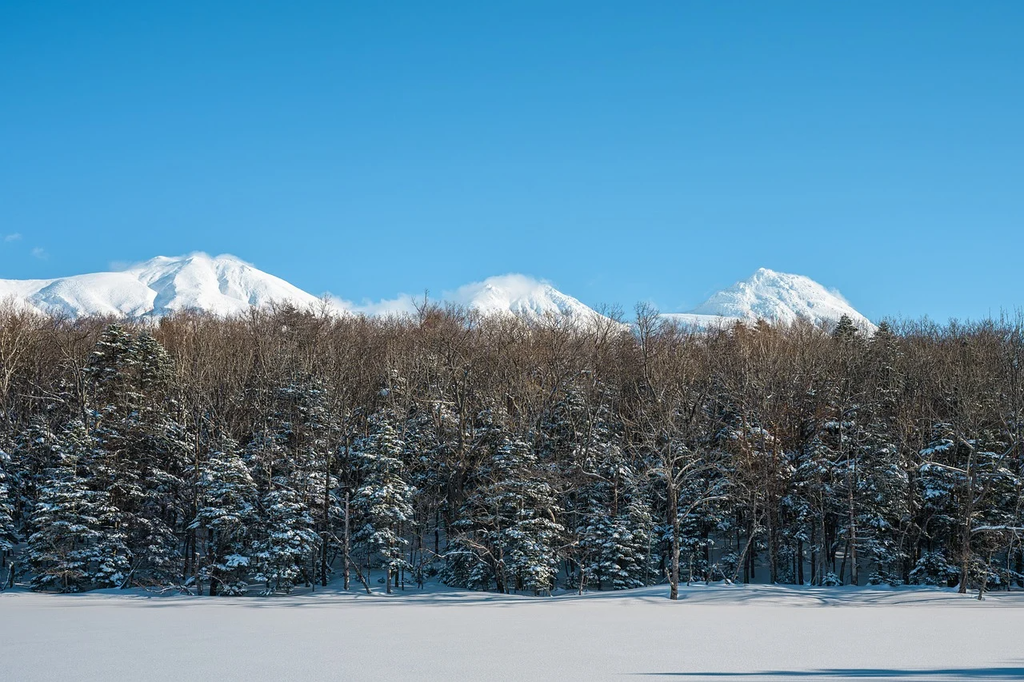
Mountain ranges such as Daisetsuzan and the Hidaka Mountains influence Hokkaido’s weather.
They block and lift cold air, causing even more snow to fall in some regions while creating different climates across the island.
This is why snowfall varies greatly between cities.
Snow Shapes Everyday Life
For many people in Hokkaido, snow is simply part of everyday life.
Roads are cleared daily, homes are designed for winter, and communities hold snow festivals instead of avoiding the season.
Children play in deep snow, trains continue running through blizzards, and locals enjoy winter sports as part of their lifestyle.
Cold weather isn’t seen as a problem—it’s part of Hokkaido’s identity.
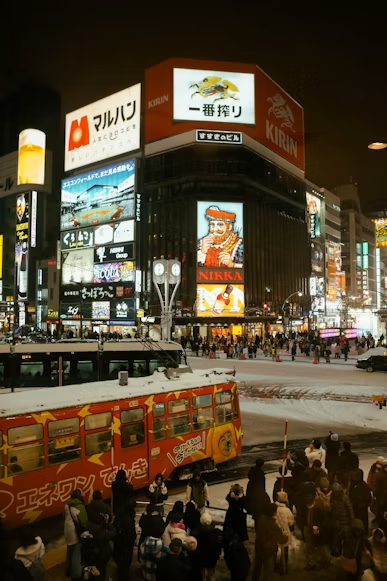
Susukino, Sapporo Cold Winters Create Amazing Powder Snow
The same weather that makes Hokkaido cold also creates some of the world’s best powder snow.
Because temperatures stay below freezing, snowflakes remain light and dry instead of becoming wet and heavy.
This attracts skiers and snowboarders from around the world to places like Niseko, Furano, and Rusutsu.
Even Summer Feels Different
Hokkaido’s cool climate isn’t just about winter.
Summer temperatures are usually much lower than in Tokyo or Osaka, making the island a popular escape from Japan’s heat and humidity.
The comfortable weather also helps produce:
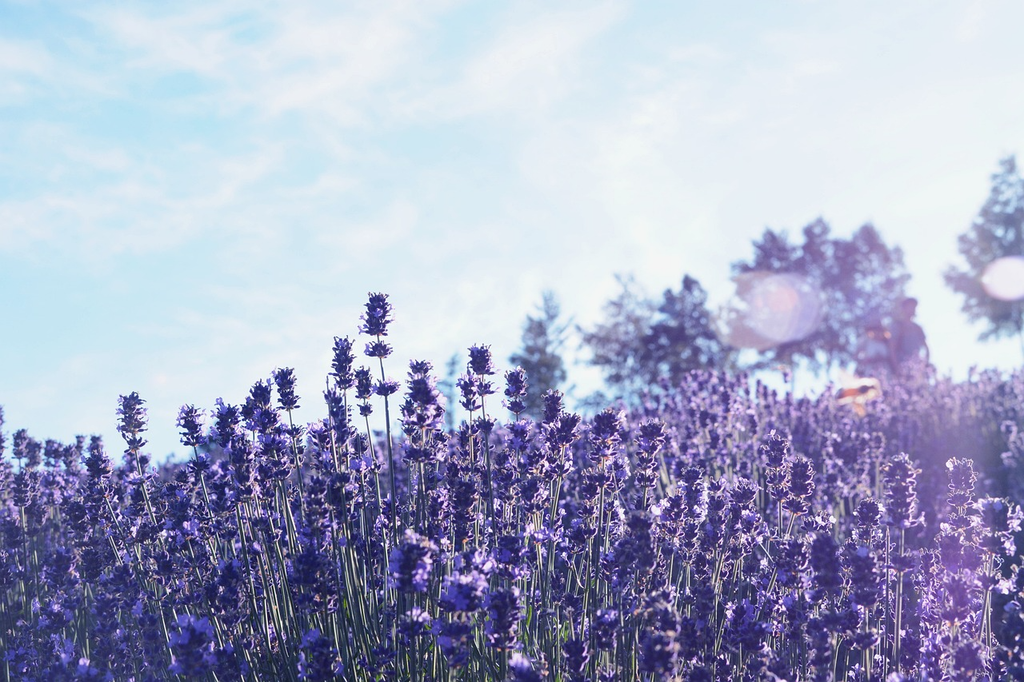
Beautiful lavender fields
Excellent dairy products
Fresh vegetables
High-quality wheat
Delicious melons
The cool climate benefits both travelers and local farmers.
Why Is Furano Famous for Lavender? Hokkaido’s cool summers don’t just make sightseeing more comfortable—they also create the perfect conditions for growing beautiful lavender. That’s why Furano has become one of Japan’s most famous flower destinations, attracting visitors from around the world every summer.
Read next: Why Is Furano Famous for Lavender? The Story Behind Hokkaido’s Purple Fields
あわせて読みたい
Why Is Furano Famous for Lavender? The Story Behind Hokkaido’s Purple Fields
Why Is Furano Famous for Lavender? Furano became famous for lavender because its cool climate is ideal for growing the flowers, and local farmers transformed...
Cold Weather Creates Hokkaido’s Culture
Hokkaido’s climate has shaped its food, festivals, and way of life.
Winter inspired:
The Sapporo Snow Festival
Hot spring culture
Rich miso ramen
Fresh seafood
Warm winter clothing traditions
Without the cold, many of the experiences that make Hokkaido famous simply wouldn’t exist.
Why Travelers Love Hokkaido’s Climate
Some people visit Hokkaido for skiing.
Others come for flowers, hiking, or fresh seafood.
No matter the season, the weather plays an important role in creating every experience.
The cold doesn’t limit Hokkaido—it defines it.
It’s the reason the island feels so different from anywhere else in Japan.
Why Are the Stars So Bright in Hokkaido? Hokkaido’s cool climate and clean air don’t just make the days more comfortable—they also create incredible nights.
Away from the bright lights of the cities, you’ll find some of Japan’s darkest skies, where countless stars and the Milky Way shine brilliantly on clear evenings.
Read next: Why Are the Stars So Bright in Hokkaido? The Story Behind Japan’s Darkest Skies
あわせて読みたい
Why Are the Stars So Bright in Hokkaido? The Story Behind Japan’s Darkest Skies
Why Are the Stars So Bright in Hokkaido?The Short Answer Hokkaido has some of the darkest skies in Japan because it has clean air, fewer large cities, and wi...
Meet Japan’s Coldest Town
If you’re wondering just how cold Hokkaido can be, look no further than Rikubetsu , a small town in eastern Hokkaido that is often called Japan’s coldest town .
Thanks to its inland location and clear winter skies, temperatures regularly fall well below freezing. On the coldest mornings, they can even drop below −30°C (−22°F) . While the winters are severe, the crisp air and snowy landscapes create a truly magical atmosphere.
Why Visit Rikubetsu?
At first, it may seem surprising to recommend one of the coldest places in Japan—but that’s exactly what makes Rikubetsu so special.
The extremely cold climate creates spectacular winter scenery, sparkling frost-covered trees, and some of the clearest night skies in the country. Every winter, visitors come to experience the unique beauty that only such a cold environment can offer.
Why I Recommend It
Experience Japan’s coldest town.
See beautiful frost-covered landscapes.
Enjoy incredibly clear star-filled skies.
Discover a different side of Hokkaido’s winter.
My Recommended Itinerary to Rikubetsu
Rikubetsu is Japan’s coldest town, but it’s located in eastern Hokkaido, several hours from New Chitose Airport . I recommend spending at least two nights in the area so you can enjoy both the journey and the destination. Renting a car is the easiest way to explore.
Day 1
Arrive at New Chitose Airport
Drive to Rikubetsu (about 4.5–5 hours)
Enjoy the beautiful countryside along the way
Stay overnight in Rikubetsu or nearby
Day 2
Visit the Rikubetsu Astronomical Observatory
Experience Japan’s coldest town
Enjoy the crystal-clear winter night sky
Day 3
Return to New Chitose Airport, or continue your journey to eastern Hokkaido
Where Should You Stay?
Accommodation in Rikubetsu is limited, so I recommend booking your hotel well in advance, especially during the winter season.
For the best experience, stay in Rikubetsu if you want to enjoy the peaceful atmosphere and star-filled night sky. If you prefer more hotel and restaurant options, Kitami also makes an excellent base for a day trip to Rikubetsu.
Why I Recommend It
Stay at least one night to enjoy the quiet atmosphere.
Winter offers the most memorable experience.
Stay in Rikubetsu for nature or Kitami for convenience.
A rental car is the best way to explore the area.
Did You Know?
Sapporo receives more annual snowfall than many other major cities in the world .
Hokkaido’s famous powder snow is known for being light and dry.
Summer temperatures are often much cooler than in Tokyo.
The Sea of Japan plays a major role in creating heavy snowfall.
Hokkaido’s climate supports famous products such as dairy, wheat, potatoes, and melons.
FAQ
Is Hokkaido cold all year?
No. Winters are cold and snowy, while summers are generally mild and comfortable.
Why does Hokkaido receive so much snow?
Cold Siberian winds collect moisture over the Sea of Japan before releasing it as snow over Hokkaido.
Which month is the coldest?
January is typically the coldest month.
Is summer in Hokkaido hot?
Compared with much of Japan, summers are usually cooler and less humid.
Should I rent a car in winter?
Yes, but only if you’re comfortable driving on snowy roads. Winter tires are essential, and weather conditions can change quickly.
Visit It Yourself
Location
Throughout Hokkaido, Japan
Best Season
Winter (December–February) for snow activities
Summer (July–August) for cool weather and flower fields
How to Get There
Fly into New Chitose Airport , Asahikawa Airport , or other regional airports.
Estimated Visit Time
5–10 days to experience different regions and seasons.
Admission Fee
No admission fee.
Individual attractions may charge separately.
Please check the official website for the latest information.
Official Website
Final Thoughts
Hokkaido’s cold weather isn’t something to escape.
It’s something to experience.
The snow, fresh air, cool summers, and changing seasons have shaped everything from the island’s landscapes to its food and culture.
So the next time you feel a cold breeze in Hokkaido, remember:
It’s not just the weather.
It’s the reason Hokkaido became one of Japan’s most unforgettable destinations.
あわせて読みたい
国内も海外も|ホテル・航空券・列車・eSIM・体験チケットも 旅行ならTrip.com
Trip.com(トリップドットコム)は世界最大級のオンライン旅行会社。航空券、ホテル、列車、現地ツアーなど豊富な旅行商品をワンストップでお得に予約できます。国内旅行、...






コメント