Nature & Wildlife– category –
-

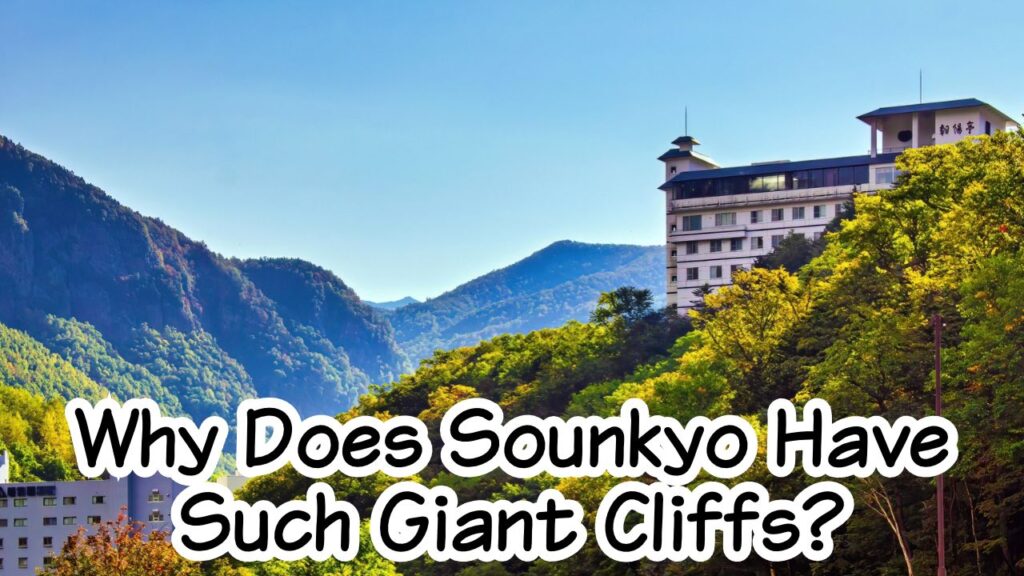
Why Does Sounkyo Have Such Giant Cliffs? The Story Behind Hokkaido’s Dramatic Gorge
The Short Answer — How Was Sounkyo Gorge Formed? Sounkyo Gorge was created by two powerful forces of nature: volcanic eruptions and river erosion. Around 30,000–40,000 years ago, a massive eruption in the Daisetsuzan volcanic mountains s... -
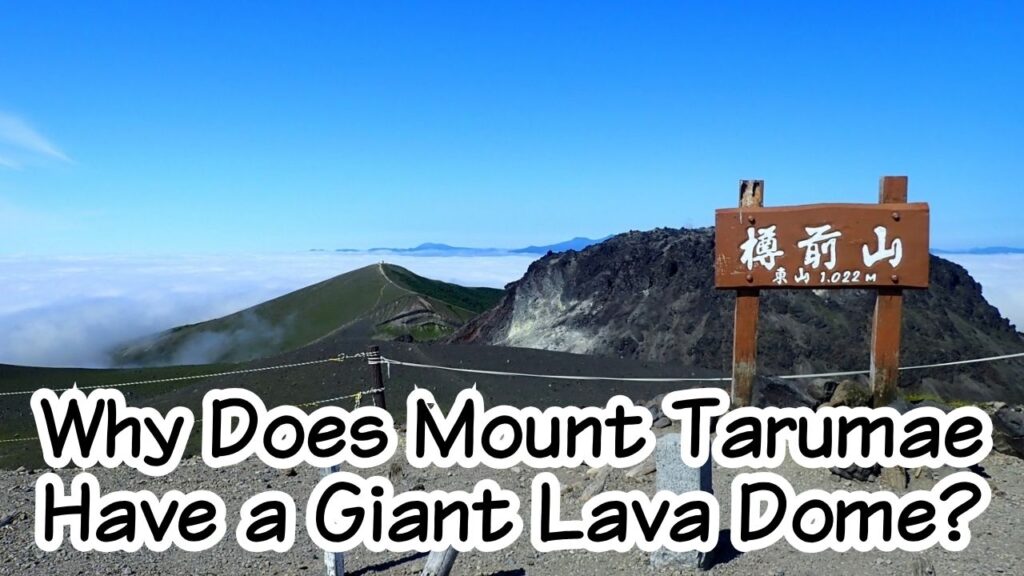
Why Does Mount Tarumae Have a Giant Lava Dome? The Story of Hokkaido’s Living Volcano
The Short Answer — How Was Mount Tarumae's Lava Dome Formed? Mount Tarumae's giant lava dome formed during an eruption in 1909, when thick, sticky magma rose to the surface and piled up instead of flowing far down the mountain. As the la... -
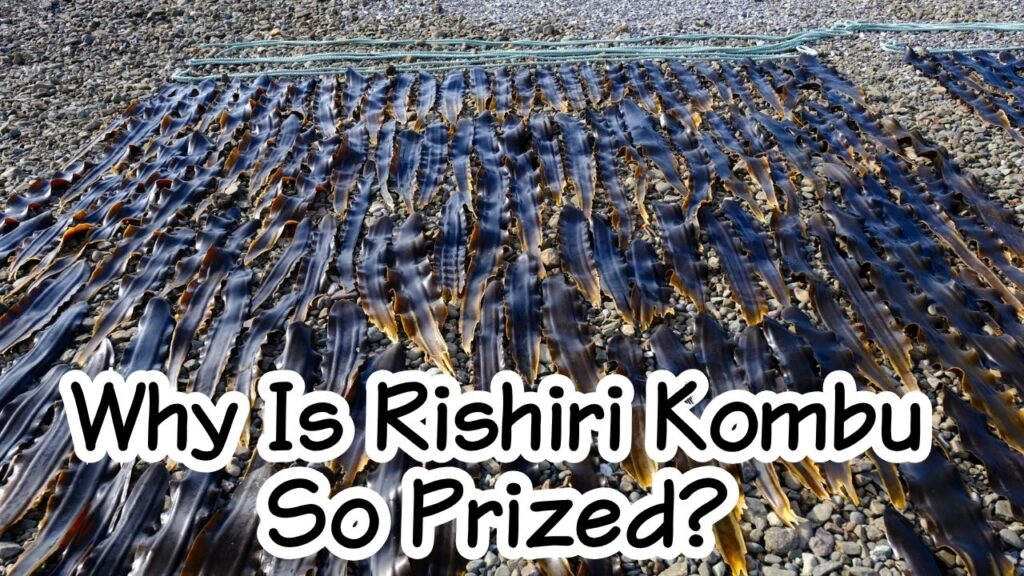
Why Is Rishiri Kombu So Prized? The Story Behind Hokkaido’s Clear, Elegant Dashi
What Makes Rishiri Kombu Special?The Short Answer Rishiri kombu is highly prized because it produces a clear, fragrant dashi with a refined umami flavor. Its gentle taste makes it especially popular in Kyoto cuisine, where chefs want to ... -
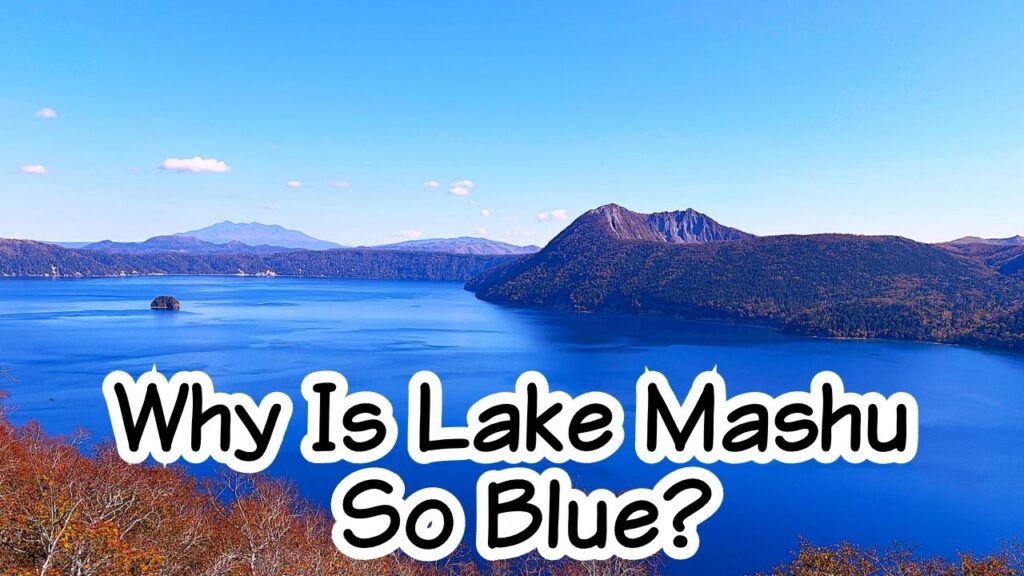
Why Is Lake Mashu So Blue? The Story Behind Hokkaido’s Mysterious Caldera Lake
Why Is Lake Mashu So Blue?The Short Answer Lake Mashu is exceptionally clear because no rivers or streams flow into or out of the lake. That means very little soil, organic matter, or other material is carried into the water, and there i... -
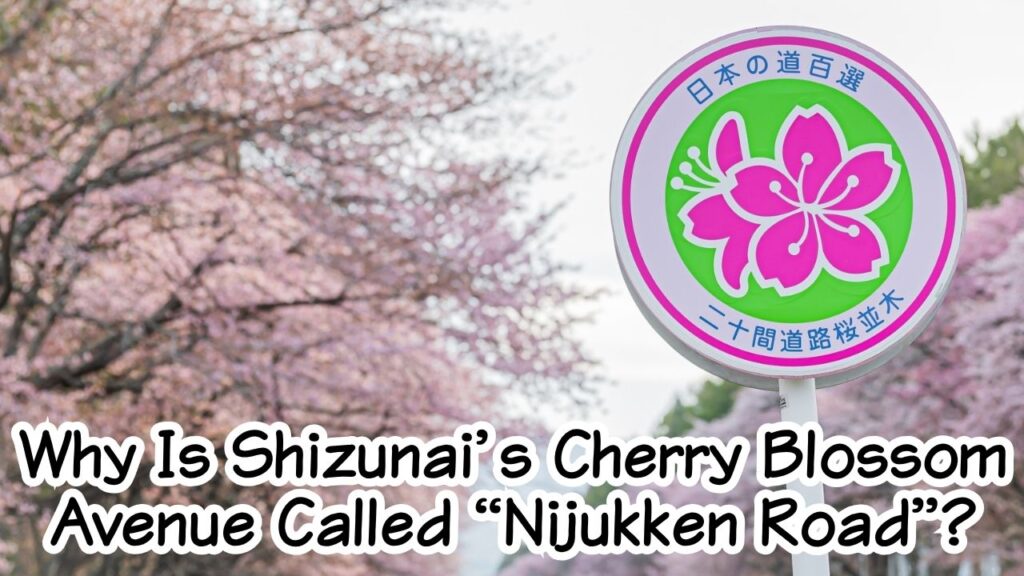
Why Is Shizunai’s Cherry Blossom Avenue Called “Nijukken Road”? The Story Behind Hokkaido’s 7-Kilometer Sakura Road
Why Is Shizunai’s Cherry Blossom Avenue Called “Nijukken Road”?The Short Answer “Nijukken” means 20 ken, an old Japanese unit of length. The road was about 20 ken—or roughly 36 meters—wide, which gave it its name. The road was built insi... -
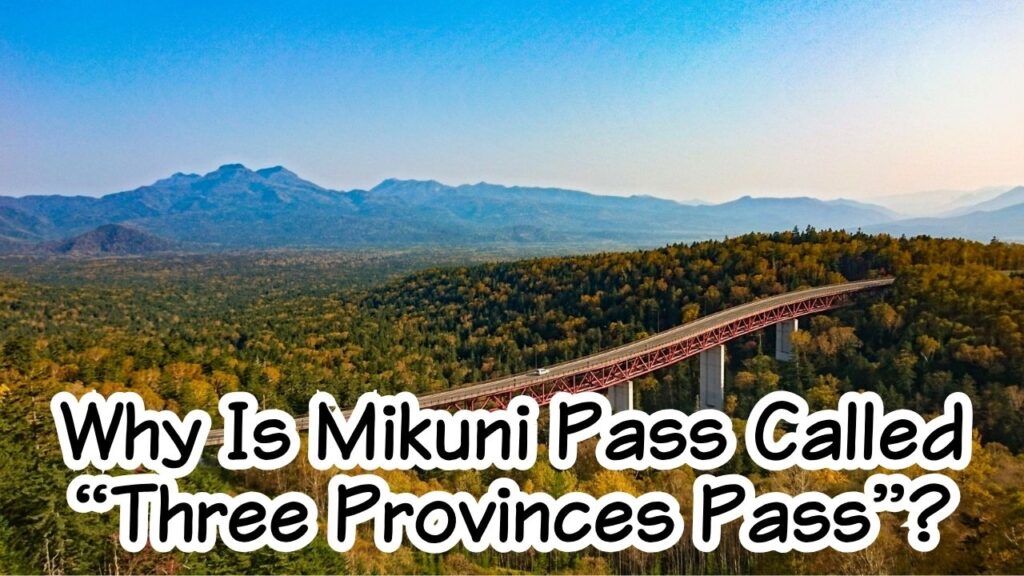
Why Is Mikuni Pass Called “Three Provinces Pass”? The Story Behind Hokkaido’s Highest National Highway Pass
Why is Mikuni Pass called “Three Provinces Pass”?The Short Answer Mikuni Pass takes its name from the historical borders of Ishikari, Tokachi, and Kitami, three former provinces of Hokkaido. At 1,139 meters above sea level, it is also th... -
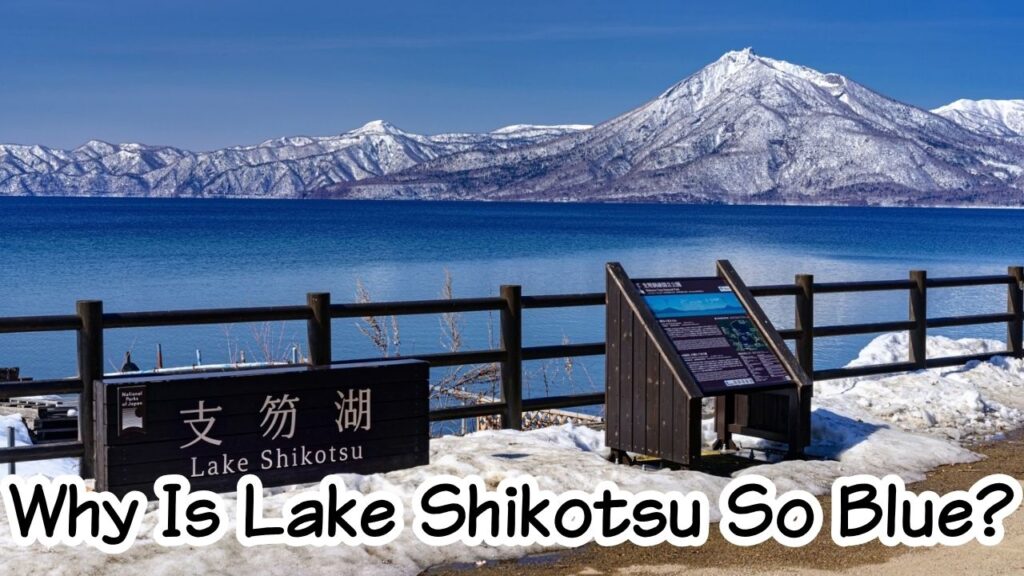
Why Is Lake Shikotsu So Blue? The Story Behind Hokkaido’s Crystal-Clear Caldera Lake
Why Is Lake Shikotsu So Blue?The Short Answer Lake Shikotsu is famous for its blue water because it is extremely clear and very deep. The lake contains relatively few nutrients and plankton, and little sediment enters the water, allowing... -
Why Do “Snow Bugs” Appear Before Snow in Hokkaido? The Story Behind Yukimushi
Why Do “Snow Bugs” Appear Before Snow in Hokkaido?The Short Answer Every autumn in Hokkaido, tiny white insects called yukimushi, or “snow bugs,” begin floating through the air shortly before winter arrives. They are not predicting the w... -
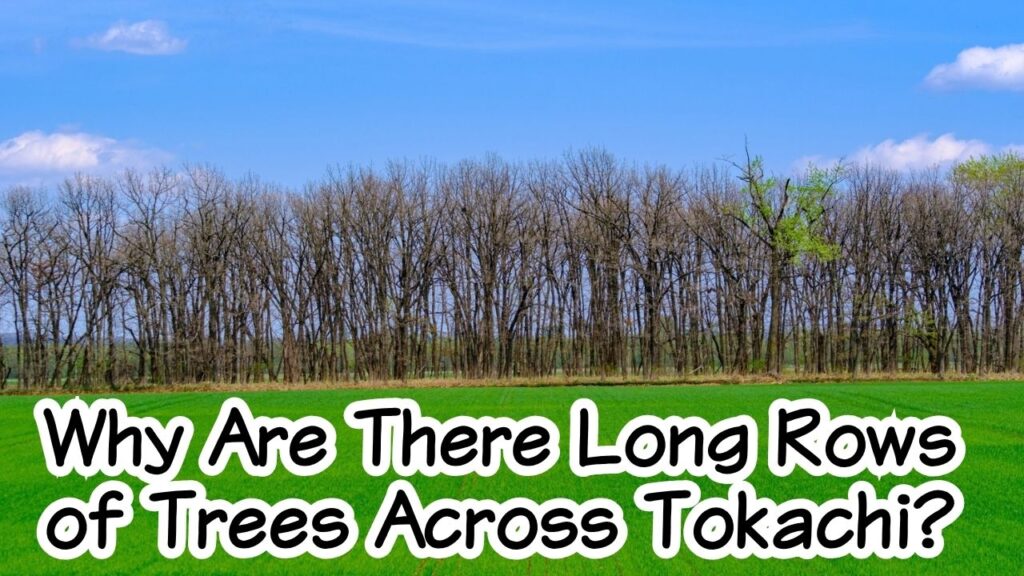
Why Are There Long Rows of Trees Across Tokachi? The Story Behind Hokkaido’s Windbreak Forests
Why Are There Long Rows of Trees Across Tokachi?The Short Answer Those long rows of trees are windbreak forests, planted to protect Tokachi’s huge farm fields from strong winds. They reduce wind speed, help prevent crops from being damag... -
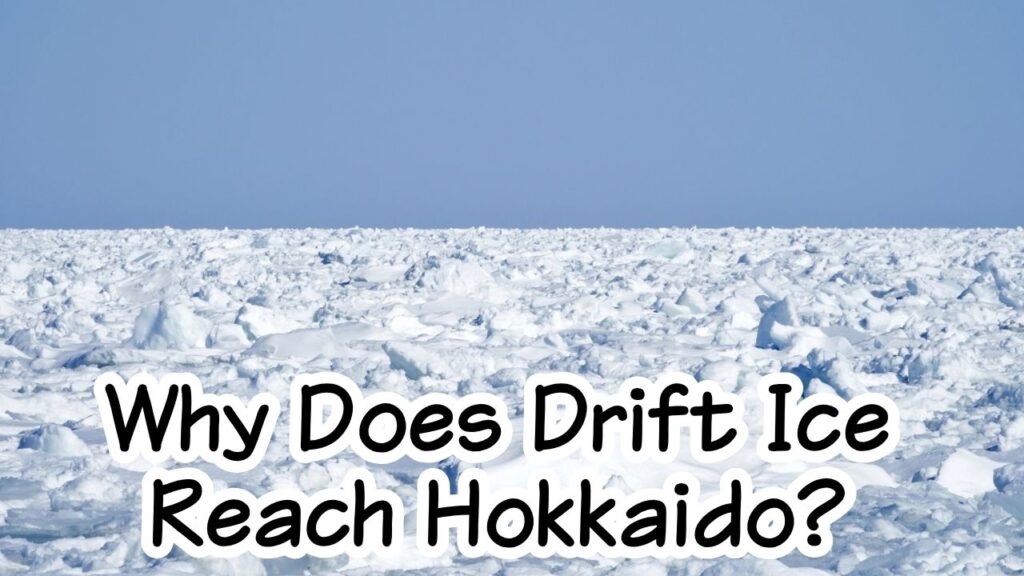
Why Does Drift Ice Reach Hokkaido? The Story Behind the Frozen Sea of Okhotsk
Why Does Drift Ice Reach Hokkaido?The Short Answer Most of the drift ice seen along Hokkaido’s Okhotsk coast forms much farther north, where extremely cold winter air freezes the surface of the Sea of Okhotsk. Fresh water from Russia’s A...