My name is MAKO
Based in Sapporo, Hokkaido | Born and raised in Obihiro, Hokkaido | Lover of Sapporo Classic beer and fresh sashimi | Passionate about road trips and camping | Always chasing beautiful scenery
The Short Answer — What Makes Hokkaido’s Country Signs Special?
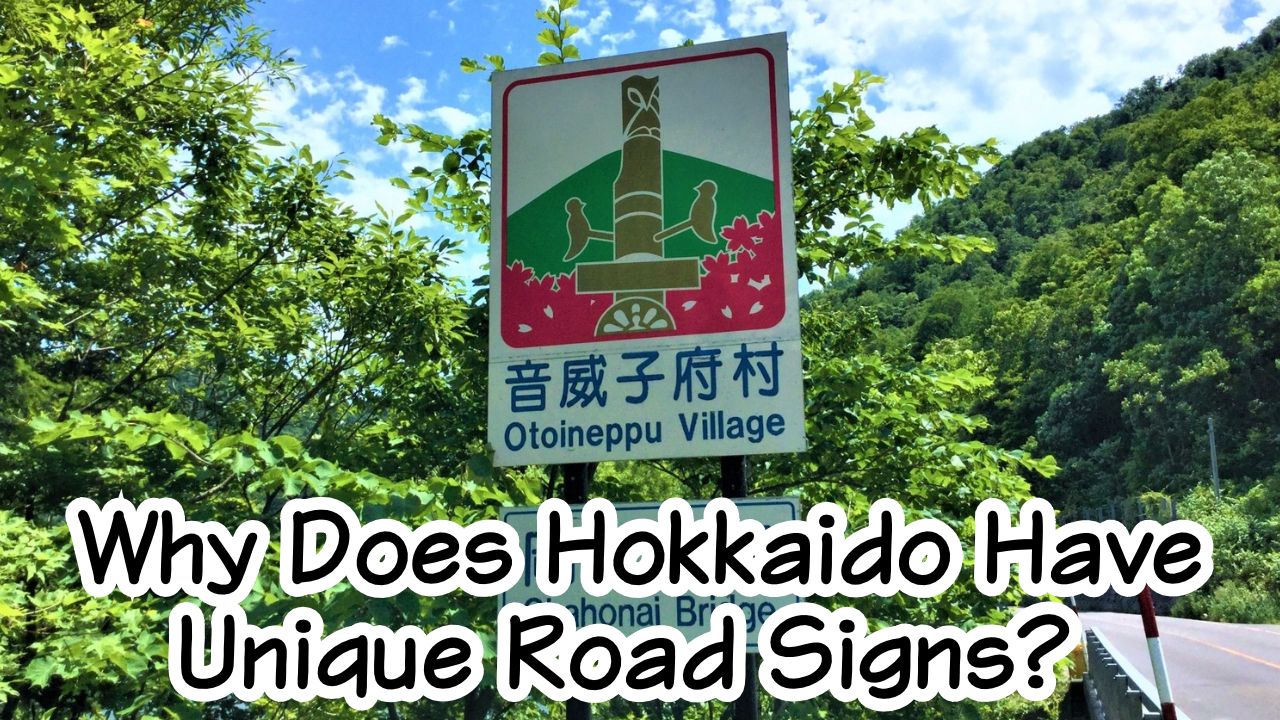
Hokkaido’s country signs are colorful road signs placed at municipal boundaries to welcome travelers and introduce each area’s unique character.
The project began in 1990, and today all 179 municipalities in Hokkaido have their own designs featuring local landmarks, food, wildlife, or culture.
They’re more than ordinary road signs. They’re little introductions to the places you’re about to explore.

Why You Should Care— A Road Trip Where Every Town Has a Story
Imagine driving through Hokkaido’s beautiful countryside.
The road stretches ahead, surrounded by forests, mountains, and endless farmland.
Suddenly, a colorful sign appears beside the road.
It shows a smiling onion holding a rugby ball!
You might wonder, “Why an onion?”
That simple question could lead you to discover that Kitami is one of Japan’s major onion-producing areas.
And that’s what makes Hokkaido’s country signs so interesting.
They turn an ordinary drive into a journey full of small discoveries.
Once you start noticing them, every new town becomes another story waiting to be explored.
The Story Behind It — The Fascinating History of Hokkaido’s Country Signs
What Are Hokkaido’s Country Signs?
A country sign is a special type of road sign that marks the boundary between municipalities.
Unlike ordinary signs that simply display a town’s name, Hokkaido’s country signs also feature colorful illustrations.
These pictures usually represent something the area is proud of.
It might be a famous building, a local food, a wild animal, or an important part of the town’s culture.
The signs help drivers recognize when they’ve entered a new municipality while introducing its local attractions.
Today, country signs can be found throughout Hokkaido, including on national highways, prefectural roads, and local roads.
Why Did Hokkaido Start Using Country Signs in 1990?
The story began in 1990.
At the time, the Hokkaido Regional Development Bureau wanted to create roads that felt more welcoming and enjoyable for travelers.
Rather than using signs that only displayed place names, the idea was to introduce each community through pictures.
The first country signs were installed in 31 municipalities along four national highways in eastern Hokkaido.
These included Routes 38, 39, 237, and 391.
The project expanded quickly.
By 1993, country signs had been installed in all 196 municipalities served by national highways at that time.
Later, the system spread to other roads and communities.
Today, all 179 municipalities in Hokkaido, including those on remote islands, have country signs.
What began as a road improvement project became one of Hokkaido’s most recognizable roadside features.
Why Does Every Hokkaido Town Have a Different Design?
Here’s the most interesting part.
Each country’s sign design reflects what makes its municipality special.
Hokkaido has a wide variety of landscapes, industries, and traditions.
Some communities are famous for farming, while others are known for seafood, mountains, historical buildings, or unusual local projects.
The country signs turn these regional identities into simple pictures.
In fact, some towns have changed their signs over time to reflect a new local identity.
A fascinating example is Kamishihoro, a town in the Tokachi region.
In November 2025, Kamishihoro introduced a new country sign featuring several local attractions, including hot-air balloons, the historic Taushubetsu River Bridge, cattle, and the Naitai Highland Ranch.
The design was chosen through a community voting process.
So these signs aren’t just about geography.
They’re also a way for local communities to tell visitors what they value most.
What Are Some of Hokkaido’s Most Interesting Country Signs?
Let’s look at four examples that show just how creative these signs can be.
Sapporo — The Clock Tower
Sapporo’s country sign features the famous Sapporo Clock Tower. Built in 1878, this historic building has become one of the city’s best-known landmarks.
Kitami — An Onion Playing Rugby
Kitami’s country sign features a cheerful onion character holding a rugby ball. The onion represents the city’s important agricultural industry, while the rugby theme reflects a local sporting connection.
Taiki — A Rocket
Why a rocket? Taiki is known for its aerospace projects and rocket development activities. Its sign reflects the town’s ambition to become an important center for space-related technology.
Kamishihoro — Balloons, Bridges, and Nature
Kamishihoro’s updated sign brings together several local attractions. It highlights the town’s beautiful landscape, famous balloon activities, historic bridge, and agricultural traditions.
How Can Country Signs Make Your Hokkaido Road Trip More Fun?
One of the best ways to explore Hokkaido is by car.
Its vast countryside, long scenic roads, and small towns make driving an unforgettable experience.
And country signs add something special to that journey.
Instead of simply passing through towns, try paying attention to the illustrations as you cross each municipal boundary.
You might discover a local food you’ve never heard of or a landmark you’d otherwise miss.
You could even turn it into a small travel game.
Keep a list of the towns you visit, remember their country signs, and see how many different designs you discover during your trip.
Just remember to enjoy them safely.
Never stop on a highway shoulder or make sudden turns to photograph a sign. If you want pictures, find a safe and legal parking space first.
Here’s the real magic of these signs: they make even an unfamiliar small town feel worth discovering.
Did You Know? — Five Surprising Facts About Hokkaido’s Country Signs
- Every Hokkaido municipality has a country sign. All 179 cities, towns, and villages have their own designs.
- The project began in 1990. The first signs were installed in 31 municipalities along four national highways.
- They are not just tourist decorations. The signs help drivers recognize municipal boundaries while introducing local attractions.
- Designs can change over time. Kamishihoro introduced a new sign in November 2025, featuring several of its best-known attractions.
- Country signs even exist on Hokkaido’s remote islands. Their designs represent communities beyond the main island, including Rishiri and Rebun.
FAQ — Everything Travelers Want to Know About Hokkaido’s Country Signs
Are Hokkaido’s Country Signs Unique to Japan?
No. Signs marking city and town boundaries exist in many countries, including other parts of Japan.
However, Hokkaido is particularly famous for using colorful illustrations that represent each municipality’s identity.
How Many Country Signs Are There in Hokkaido?
Hokkaido has 179 municipalities, and each has its own country sign design.
However, the total number of physical signs is much larger because signs can be installed at multiple entrances to the same municipality.
Do Hokkaido’s Country Signs Have English Names?
Many country signs display both Japanese and English names.
This makes it easier for international travelers to recognize the towns they are entering.
Can You Collect Photos of All 179 Country Signs?
You can make finding and photographing the signs part of your Hokkaido road-trip adventure.
However, some are located on busy roads or in areas without safe parking. Never stop illegally or put yourself or other road users at risk just to take a photograph.
Can You Use Hokkaido Country Sign Designs on Your Own Website?
The designs are managed by public authorities, and permission may be required to reproduce them.
If you want to use official sign artwork, especially for a business or commercial website, check the Hokkaido Regional Development Bureau’s usage rules first.
Visit It Yourself — How to Discover Hokkaido’s Country Signs
The best part about Hokkaido’s country signs is that you don’t need to visit a special tourist attraction to find them.
They’re part of everyday life along Hokkaido’s roads.
| Travel Information | Details |
|---|---|
| Location | Municipal boundaries throughout Hokkaido |
| Best Season | May–October for comfortable road trips; signs can be seen year-round |
| How to Get There | Drive along national highways, prefectural roads, and local roads |
| Recommended Areas | Tokachi, Furano, eastern Hokkaido, and other scenic driving regions |
| Estimated Visit Time | A few seconds to notice each sign; add extra time only for safe sightseeing stops |
| Admission Fee | Free |
| Official Website | Hokkaido Regional Development Bureau – Country Signs |
Tips for Enjoying Hokkaido’s Country Signs
If you’re planning a road trip, try choosing a route that passes through several smaller towns.
You may discover signs featuring foods, animals, historical sites, or local traditions you never knew existed.
Before your trip, you can also look at the official designs and choose a few that interest you.
If you’re traveling with friends or family, let a passenger look for the signs while the driver concentrates on the road.
Travel Tip: Never stop on the shoulder of a busy road just to photograph a country sign. Use designated parking areas and follow local traffic rules.
Please check the official website for the latest information.
Final Thoughts — Every Road Sign Has a Story
At first glance, Hokkaido’s country signs might look like simple decorations beside the road.
But once you understand their meaning, they become something much more interesting.
Each design represents a community, its history, its culture, or the things local people are proud of.
A clock tower might lead you to discover Sapporo’s history.
An onion might introduce you to Kitami’s agricultural traditions.
And a rocket might reveal the surprising ambitions of a small town in Tokachi.
The next time you travel through Hokkaido, take a moment to notice these colorful signs.
They remind us that even the smallest towns have something worth discovering.
After all, in Hokkaido, a new story can begin the moment you cross a town boundary.




コメント