

My name is MAKO
Based in Sapporo, Hokkaido | Born and raised in Obihiro, Hokkaido | Lover of Sapporo Classic beer and fresh sashimi | Passionate about road trips and camping | Always chasing beautiful scenery
Why Is the Blue Pond Blue?
The Blue Pond is blue because natural minerals in the water scatter sunlight in a unique way.
Surprisingly, this famous attraction wasn’t created as a tourist destination—it was formed by accident during a volcanic disaster prevention project.

Why You Should Care
At first glance, the Blue Pond looks almost unreal.
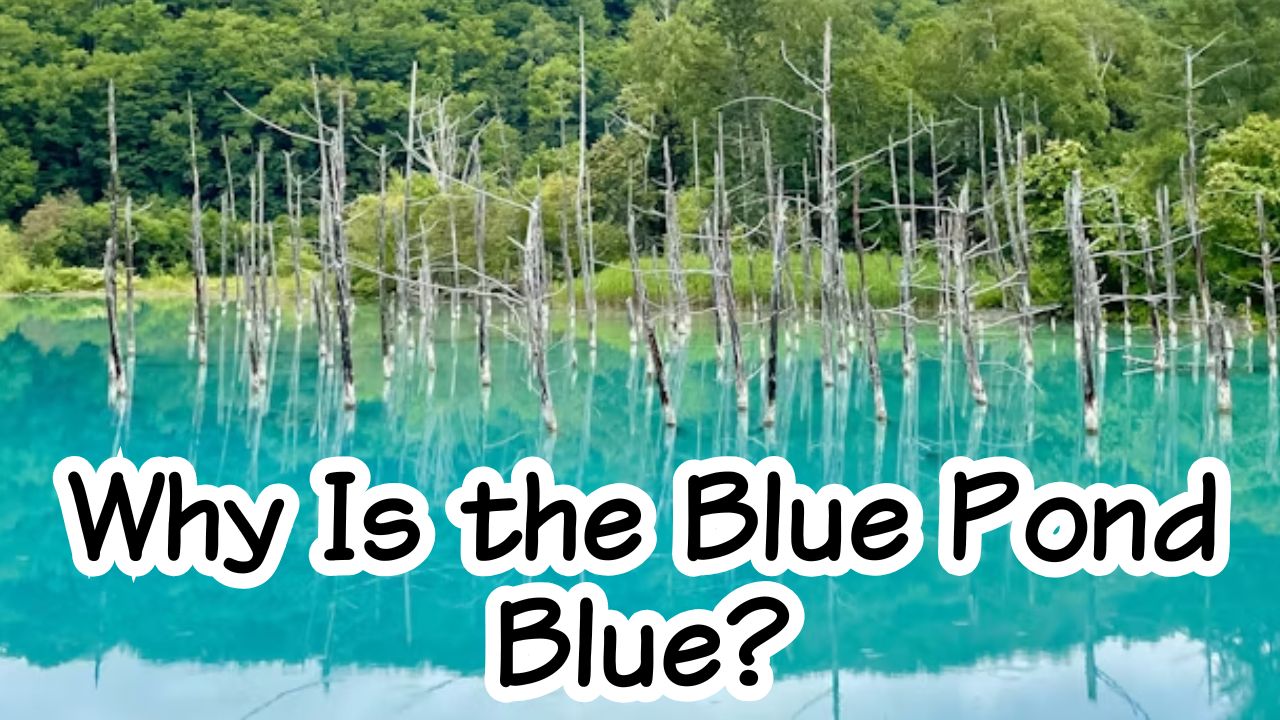
Its bright blue water and standing trees create a landscape that feels more like a painting than a real place.
Many visitors come to take photos.
But once you know the story behind its color, you’ll see much more than a beautiful pond.
You’ll discover how nature, science, and human efforts came together to create one of Hokkaido’s most unforgettable sights.
The Blue Pond Was Never Meant to Exist
One of the most surprising facts about the Blue Pond is that it wasn’t created for tourism.
Its story began with Mount Tokachi, an active volcano located near the town of Biei.
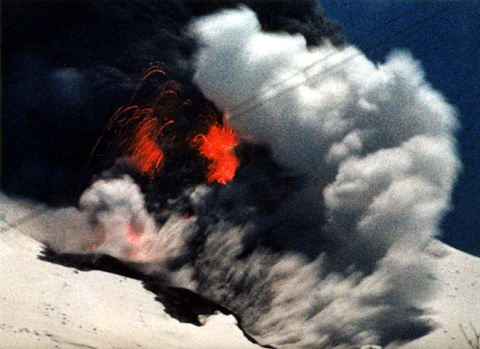
In 1988, Mount Tokachi erupted.
To protect nearby communities from volcanic mudflows, engineers built a series of dams along the Biei River.
One of those structures slowed the flow of water.
Over time, water collected behind it.
That accidental pond would later become the Blue Pond.
Why Is Tokachidake a Gift from Nature?
The Blue Pond exists because of Tokachidake’s volcanic activity.
While the volcano has shaped the region through powerful eruptions, it has also created breathtaking landscapes, fertile land, and natural hot springs that make this part of Hokkaido so special.
Discover how Tokachidake transformed challenges into some of Hokkaido’s greatest natural treasures.
Read next: Why Is Tokachidake a Gift from Nature? The Active Volcano That Shaped Hokkaido’s Beauty
Beautiful Result of Disaster Prevention
The Blue Pond reminds us that beauty can sometimes come from unexpected places.
What started as a practical safety project eventually became one of Japan’s most photographed landscapes.
Today, millions of travelers visit each year, but its original purpose was simply to protect lives and communities.
Why Is the Water So Blue?
The pond’s brilliant color isn’t caused by paint, algae, or artificial lighting.
Instead, it comes from tiny natural particles in the water.
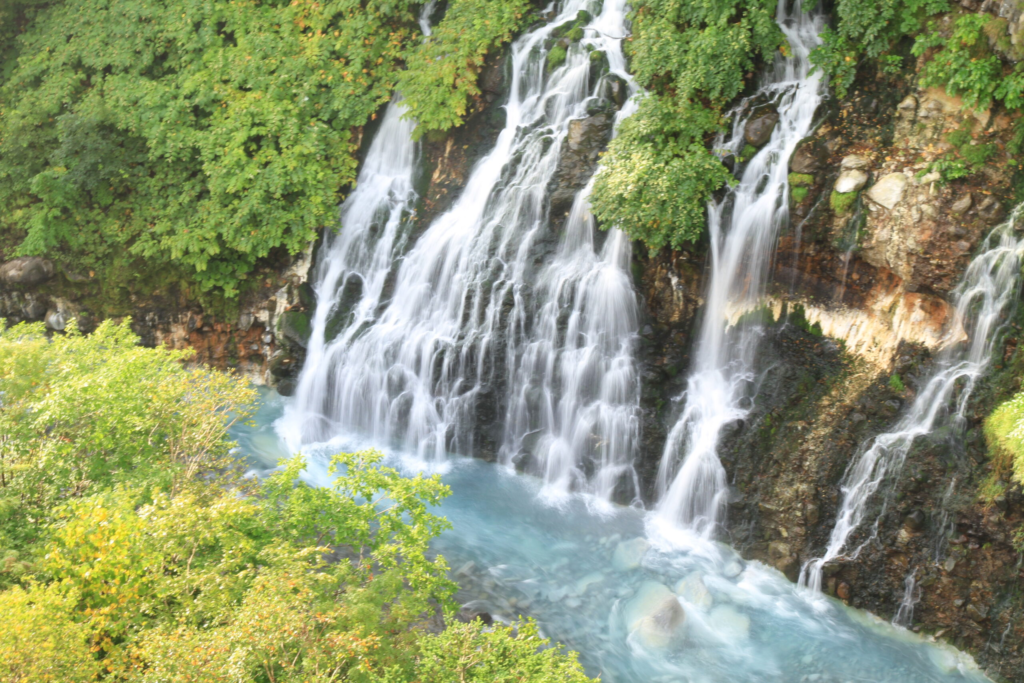
Water flowing from the nearby Shirahige Waterfall contains minerals, including fine aluminum compounds that originated from volcanic activity.
These tiny particles scatter sunlight.
Blue light is reflected more strongly than other colors, giving the pond its magical appearance.
The Color Changes Every Day
One of the most fascinating things about the Blue Pond is that its color is never exactly the same.
Depending on the weather, sunlight, season, and viewing angle, it may appear:
- Bright turquoise
- Emerald blue
- Deep cobalt blue
- Pale milky blue
Every visit offers a slightly different view.
That’s one reason photographers return again and again.
The trees growing from the pond are another reason the Blue Pond looks so mysterious.
When water gradually filled the area after the erosion-control dam was built, many larch and birch trees remained standing.
Although they eventually died, their pale trunks stayed in place, creating the iconic scenery visitors see today.
Rather than removing them, nature turned them into part of the landscape.
Nature’s Accidental Artwork
The contrast between the blue water and the white tree trunks creates a scene unlike almost anywhere else in Japan.
It’s a reminder that some of the world’s most beautiful places aren’t carefully designed—they’re shaped by nature and time.
Every Season Paints a New Blue Pond
Although the pond is famous for its summer colors, it changes dramatically throughout the year.
Spring brings fresh green leaves.
Summer offers the brightest blue water.
Autumn surrounds the pond with brilliant red and golden foliage.
Winter transforms the landscape into a quiet world of snow and ice.
Winter Brings a Different Kind of Magic
During winter, the Blue Pond often freezes beneath a blanket of snow.
Special evening illuminations add soft colors to the snowy landscape, creating an atmosphere unlike any other season.
Many visitors say the winter light-up feels almost magical.
Why the Blue Pond Became World Famous
For many years, the Blue Pond was a hidden gem known mainly to people in Hokkaido.
As more photographers shared its stunning colors, travelers from around the world began adding it to their bucket lists.
Its international fame grew even more when one of its photographs was featured as a desktop wallpaper in Apple’s macOS operating system.
Since then, many visitors have recognized the scenery before they even arrive.
A Photographer’s Dream
The Blue Pond looks different every time you visit.
The weather, sunlight, wind, and seasons all change the colors and reflections.
Early in the morning, the water may appear calm and mirror-like.
On a cloudy day, it can take on a mysterious, almost mystical atmosphere.
Because no two visits are exactly the same, photographers often return again and again.
Why Are There Trees Standing in the Water?
The Blue Pond isn’t just famous for its brilliant blue color. Another feature that captures visitors’ attention is the group of pale trees rising quietly from the water.
These standing trees create the pond’s dreamlike atmosphere and have become one of its most recognizable symbols.
The Story Behind the Trees
The trees standing in the Blue Pond are mostly Japanese larch trees, along with a few silver birch trees. They were flooded when the pond was accidentally created during the construction of a volcanic mudflow control dam after the eruption of Mt. Tokachi. Unable to survive underwater, the trees died but remained standing, creating the mysterious landscape that visitors see today.
Today, these pale tree trunks rising from the blue water have become one of Hokkaido’s most photographed scenes and an unforgettable symbol of the Blue Pond.
Why I Recommend It
- Learn why the trees are still standing.
- See one of Hokkaido’s most unique landscapes.
- A perfect photo spot in every season.
- The contrast between the blue water and pale tree trunks is unforgettable.
Tips for Visiting the Blue Pond
The Blue Pond is beautiful throughout the year, but planning ahead will help you enjoy the best experience.
Here are a few helpful tips:
- 🌅 Visit early in the morning for fewer crowds and calmer reflections.
- ☀️ On sunny days, the blue color is often at its brightest.
- 🍂 Autumn offers colorful leaves that contrast beautifully with the blue water.
- ❄️ Winter visitors can enjoy the seasonal illumination event if it is being held.
- 🚶 Wear comfortable shoes, especially in winter when paths may be snowy or icy.
Don’t Miss Nearby Attractions
The Blue Pond is easy to combine with other popular destinations in the Biei and Furano area.
Nearby highlights include:
- Shirahige Waterfall
- Tokachidake Observatory
- Biei Patchwork Road
- Shikisai-no-Oka Flower Garden
- Farm Tomita (about a 40-minute drive away)
Exploring these places together makes for a memorable day trip through central Hokkaido.
Why Is Furano Famous for Lavender?
The Blue Pond isn’t the only spectacular attraction in this area. Just a short drive away, Furano welcomes visitors with its world-famous lavender fields and breathtaking summer scenery.
Discover why Furano has become one of Hokkaido’s most beloved destinations and the story behind its beautiful purple landscapes.
Read next: Why Is Furano Famous for Lavender? The Story Behind Hokkaido’s Purple Fields

Best Blue Pond Souvenirs to Take Home
After visiting the breathtaking Blue Pond, I highly recommend stopping by Michi-no-Eki Biei “Shirogane Biruke”, located near the pond.
Here you’ll find a variety of Blue Pond-themed souvenirs that let you take a piece of this magical landscape home with you. Among them, these are my two personal favorites.
Blue Pond Cider
One of the most eye-catching souvenirs is Blue Pond Cider.
Its brilliant blue color is inspired by the mysterious waters of the Blue Pond, making it a fun and refreshing drink. The beautiful bottle also makes it a great souvenir or gift for family and friends.
Why I Recommend It
- Inspired by the famous Blue Pond
- Refreshing sparkling drink
- Beautiful blue color
- Perfect as a unique Hokkaido souvenir
Blue Pond Miniature Bottle
If you’re looking for a keepsake rather than a snack or drink, the Blue Pond Miniature Bottle is a wonderful choice.
The small decorative bottle captures the beautiful blue color of the pond, allowing you to remember your visit long after your trip has ended.
Why I Recommend It
- Beautiful decorative souvenir
- Inspired by the Blue Pond’s iconic color
- Lightweight and easy to carry
- A memorable keepsake of your visit
Where to Buy
Michi-no-Eki Biei “Shirogane Biruke”
Address
Shirogane, Biei, Kamikawa District(https://maps.app.goo.gl/iq1n2h2sySeg3CbEA)
Access
- About 3 minutes by car from the Blue Pond
- About 20 minutes by car from JR Biei Station
Official Website
Did You Know?
- 💙 The Blue Pond was created unintentionally as part of a volcanic disaster prevention project.
- 🌋 The minerals that give the pond its color come from volcanic activity around Mount Tokachi.
- 📷 A photograph of the Blue Pond gained worldwide attention after being featured as an Apple desktop wallpaper.
- 🍂 The pond changes color depending on sunlight, weather, and the season.
- ❄️ Winter illumination events create a completely different atmosphere from the daytime scenery.
FAQ
Why is the Blue Pond blue?
Tiny natural mineral particles in the water scatter sunlight, reflecting blue light more strongly than other colors.
Is the Blue Pond natural?
Not entirely. The pond formed accidentally after erosion-control dams were built following the 1988 eruption of Mount Tokachi.
When is the best time to visit the Blue Pond?
Every season offers a unique view. Summer showcases the brightest blue water, autumn adds colorful foliage, and winter features snow-covered scenery and seasonal illuminations.
Can you swim in the Blue Pond?
No. Swimming is not allowed. Visitors enjoy the pond from designated viewing paths.
How long should I spend at the Blue Pond?
Most visitors spend 30 to 60 minutes, but photographers often stay longer to capture changing light and reflections.
Visit It Yourself
Location
Shirogane, Biei, Hokkaido, Japan(https://maps.app.goo.gl/7JfA8FW7r1gCnuwd6)
Best Season
Year-round. Summer offers vibrant blue water, autumn features colorful leaves, and winter brings snowy scenery and seasonal illuminations.
How to Get There
About 20 minutes by car or bus from JR Biei Station.
Estimated Visit Time
30–60 minutes
Admission Fee
Free
Official Website
Please check the official website for the latest information on access, parking, and seasonal illuminations(https://www.biei-hokkaido.jp/ja/shirogane-blue-pond).
Final Thoughts
The Blue Pond is more than a beautiful place to take photos.
It’s a reminder that nature often creates its greatest masterpieces in unexpected ways.
A volcanic eruption, a disaster prevention project, and the quiet passage of time came together to create one of Hokkaido’s most extraordinary landscapes.
As you stand beside the vivid blue water and watch the white trees reflected on its surface, it’s easy to forget that none of this was planned.
Sometimes, the world’s most unforgettable destinations aren’t built by people.
They’re created by nature—and discovered by those willing to look a little closer.
Because every landscape has a story. And every story begins with a “Why?”





コメント