
My name is MAKO
Based in Sapporo, Hokkaido | Born and raised in Obihiro, Hokkaido | Lover of Sapporo Classic beer and fresh sashimi | Passionate about road trips and camping | Always chasing beautiful scenery
Why Is Takino Cemetery Worth Visiting?The Short Answer
Takino Cemetery is much more than a cemetery. It is a peaceful park where art, architecture, and nature come together.
Home to the famous Hill of the Buddha designed by Tadao Ando, it has become one of Hokkaido’s most surprising attractions.

Why You Should Care
Most travelers don’t plan to visit a cemetery during their vacation.
But Takino Cemetery isn’t an ordinary cemetery.
Here, you’ll find award-winning architecture, fields of lavender, giant stone monuments, and peaceful walking paths. Instead of feeling sad, many visitors leave feeling calm, inspired, and amazed.
If you’re looking for a place that’s truly different from typical tourist spots, this is one you won’t forget.
More Than a Cemetery
Takino Cemetery opened in 1981 as a memorial park on the outskirts of Sapporo.
Unlike traditional cemeteries, it was designed as a spacious landscape where visitors could enjoy nature while remembering loved ones. Wide lawns, trees, flowers, and sculptures create an atmosphere that feels peaceful rather than gloomy.
The Hidden Buddha That Changed Everything
A Masterpiece by Tadao Ando
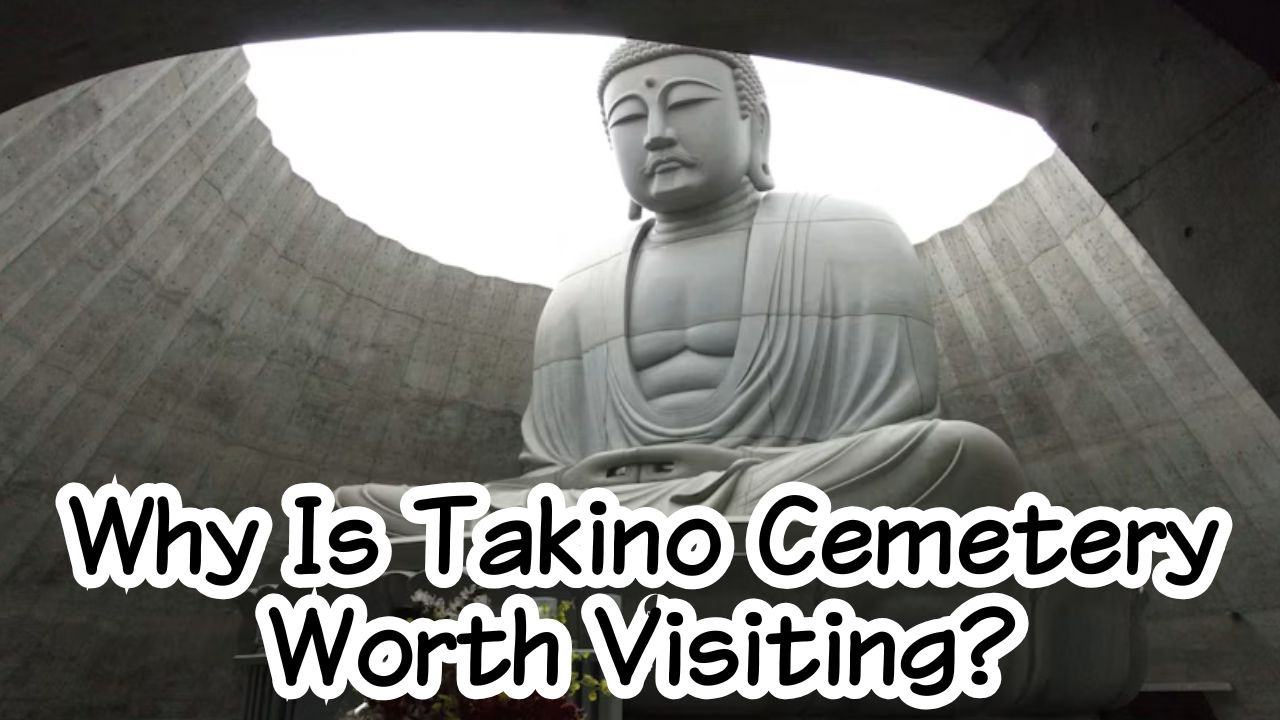
The cemetery became internationally famous after the completion of the Hill of the Buddha in 2015, designed by world-renowned Japanese architect Tadao Ando.
Instead of placing the giant Buddha statue in full view, Ando surrounded it with an artificial hill. Only the Buddha’s head is visible from a distance.
Visitors naturally become curious and walk toward it.
A Journey Before You Meet the Buddha
The experience is carefully designed.
First, visitors walk through a quiet entrance and a long tunnel. The outside world gradually disappears.
When you finally step into the circular open space, the full 13.5-meter (44-foot) Buddha appears before you.
This sequence creates a feeling of surprise, peace, and reflection.
Why Is the Buddha Hidden?
Many people ask why the Buddha isn’t fully visible.
According to Tadao Ando’s design concept, the journey is as important as the destination.
Rather than seeing everything immediately, visitors slowly discover the Buddha. The walk encourages people to leave behind everyday worries and enter a quiet space for reflection.
This thoughtful design is one reason architecture lovers from around the world visit Takino Cemetery.
Don’t Miss the Giant Moai Statues
Before reaching the Hill of the Buddha, you’ll notice another surprising sight—33 giant Moai statues.
Inspired by the famous statues on Easter Island, these impressive stone figures have become one of the cemetery’s most photographed landmarks.
Nearby, you’ll also find a replica of Stonehenge, adding another unexpected stop to your visit.
These monuments make Takino Cemetery unlike any other cemetery in Japan.
Why Are There Moai Statues in a Cemetery?
Many visitors are surprised to find giant Moai statues in a Japanese cemetery.
The Moai were placed here as symbols of peace, remembrance, and the continuity of life. Their timeless appearance reflects the idea of honoring those who came before us while looking toward the future. The statues were created with the official approval of Rapa Nui (Easter Island), making them a unique and meaningful landmark in Hokkaido.
Today, the Moai statues are one of Takino Cemetery’s most popular photo spots, attracting visitors from around the world.
Lavender Makes Summer Magical
One of the most beautiful times to visit is July.
More than 150,000 lavender plants bloom across the hill surrounding the Buddha, creating a sea of purple flowers.
The contrast between the lavender, the green hill, and the Buddha’s peaceful face is unforgettable.
Even visitors who know nothing about architecture often say this becomes the highlight of their trip.
Why Is Furano Famous for Lavender?
Takino Cemetery is one of Sapporo’s hidden spots for enjoying beautiful lavender fields, but Hokkaido’s most famous lavender destination is Furano.
Every summer, its vast purple fields attract visitors from around the world. Discover why Furano became the heart of Hokkaido’s lavender culture and what makes its landscapes so unforgettable.
Read next: Why Is Furano Famous for Lavender? The Story Behind Hokkaido’s Purple Fields

A Place That Celebrates Life
Although Takino Cemetery is a place of remembrance, many visitors describe it as uplifting rather than sorrowful.
Families take quiet walks.
Photographers capture the changing seasons.
Architecture enthusiasts admire Ando’s design.
Travelers simply enjoy the peaceful atmosphere.
It reminds us that beautiful places can also be places for reflection.
Please Respect the Cemetery and Stay Safe
Takino Cemetery has become a popular destination for photographers and travelers from around the world. While it’s a wonderful place to admire architecture, art, and nature, it’s important to remember that it is first and foremost a cemetery.
Visitors can help preserve its peaceful atmosphere by following a few simple rules and showing respect for those who come to pay their respects.
Never Stop in the Road for Photos
One thing I often notice is visitors stopping on the roads inside the cemetery to take photographs. Although the scenery is beautiful, these roads are used by cars and buses throughout the day.
For your own safety—and out of respect for other visitors—please avoid standing or stopping in the roadway. Instead, use the designated walking paths and viewing areas, where you can enjoy the scenery safely and take wonderful photographs.
Why I Recommend This
- Stay safe by keeping away from vehicle traffic.
- Help maintain the peaceful atmosphere of the cemetery.
- Show respect to families visiting loved ones.
- Enjoy better photo opportunities from designated viewpoints.
Did You Know?
- The Hill of the Buddha was designed by Pritzker Prize-winning architect Tadao Ando.
- Only the Buddha’s head can be seen before entering the hill.
- Around 150,000 lavender plants bloom every summer.
- Takino Cemetery is also home to 33 Moai statues.
- The Buddha statue itself is 13.5 meters (44 feet) tall.
FAQ
Is Takino Cemetery really a tourist attraction?
Yes. While it is an active cemetery, many people visit for its architecture, gardens, sculptures, and peaceful atmosphere.
When is the best time to visit?
July is especially popular because the lavender fields are in full bloom, but every season offers different scenery.
Who designed the Hill of the Buddha?
It was designed by internationally renowned architect Tadao Ando.
Is photography allowed?
Yes, photography is generally permitted outdoors. However, visitors should be respectful because it is an active cemetery.
How long should I spend there?
Most visitors spend 1.5 to 2 hours exploring the grounds.
Visit It Yourself
Location
Takino Cemetery, Minami Ward, Sapporo, Hokkaido(https://maps.app.goo.gl/End6ggj6vtzwwaYg7)
Best Season
- July for lavender
- October for autumn leaves
- Winter for snowy scenery
How to Get There
- About 40–50 minutes by car from central Sapporo.
- Public transportation is available by subway and bus, though travel takes longer.
Estimated Visit Time
1.5–2 hours
Admission Fee
Entry to the cemetery grounds is free.
Some facilities or seasonal events may have separate fees.
Please check the official website for the latest information.
Official Website
- Takino Cemetery Official Website(https://www.takinoreien.com/)
- Sapporo Travel Official Guide(https://www.sapporo.travel/)
Final Thoughts
At first, it may seem unusual to include a cemetery on your Hokkaido itinerary.
But Takino Cemetery isn’t about sadness.
It’s about architecture that inspires, nature that comforts, and spaces that encourage quiet reflection.
Whether you come to admire Tadao Ando’s masterpiece, photograph the lavender fields, or simply enjoy the peaceful surroundings, you’ll discover that some of Hokkaido’s most unforgettable places are also its most unexpected.









コメント