

My name is MAKO
Based in Sapporo, Hokkaido | Born and raised in Obihiro, Hokkaido | Lover of Sapporo Classic beer and fresh sashimi | Passionate about road trips and camping | Always chasing beautiful scenery
Why Is Abashiri Prison So Famous?The Short Answer
Abashiri Prison is famous because it played a major role in the development of Hokkaido during Japan’s frontier era.
Today, the former prison has become the Abashiri Prison Museum, where visitors can learn about the lives of prisoners and the history of Hokkaido’s early development.

Why You Should Care
At first, visiting a prison may not sound like an exciting travel experience.
But Abashiri Prison is much more than a former jail. It tells the story of how modern Hokkaido was built, how difficult life was on Japan’s northern frontier, and how one place became one of the country’s most unique museums.
When you understand its history, your visit becomes far more meaningful.
Why Was Abashiri Prison Built?
During the Meiji Era (1868–1912), Japan wanted to develop Hokkaido as quickly as possible.
The government hoped to strengthen the northern frontier by building roads, towns, and public facilities.
However, Hokkaido was still largely undeveloped, and there were very few workers.
To solve this problem, the government sent prisoners to Hokkaido to perform hard labor.
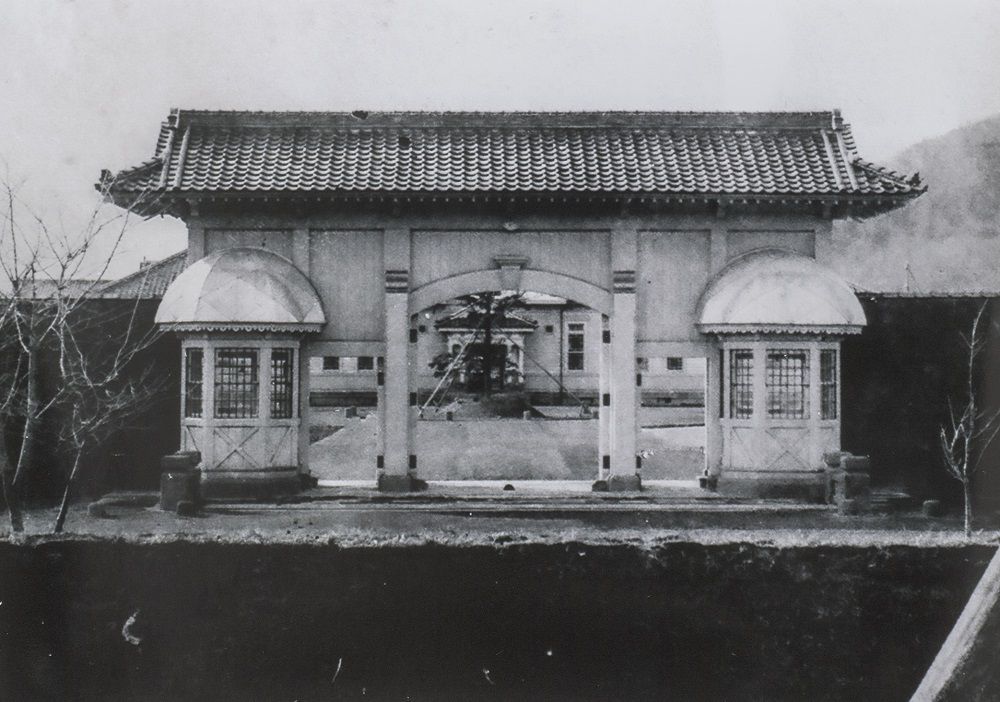
Abashiri Prison was established in 1890, becoming one of the most important prisons in northern Japan.
Prisoners Helped Build Hokkaido
Building Roads Through the Wilderness
Many prisoners were forced to build roads across eastern Hokkaido.
The most famous project was the road connecting Abashiri and Asahikawa.
The work was extremely difficult.
Workers faced dense forests, mountains, freezing winters, insects, and poor living conditions.
Many prisoners lost their lives during these construction projects.
Today, these roads remind us that Hokkaido’s development came at a significant human cost.
A Prison Unlike Any Other
Because of its remote location and severe winters, Abashiri Prison gained a reputation as one of Japan’s toughest prisons.
Escaping was nearly impossible.
Snow, forests, marshes, and freezing temperatures surrounded the prison.
These harsh conditions helped create many stories and legends that are still remembered today.
From Prison to Museum
In the 1980s, many of the prison’s historic buildings were moved and carefully preserved.
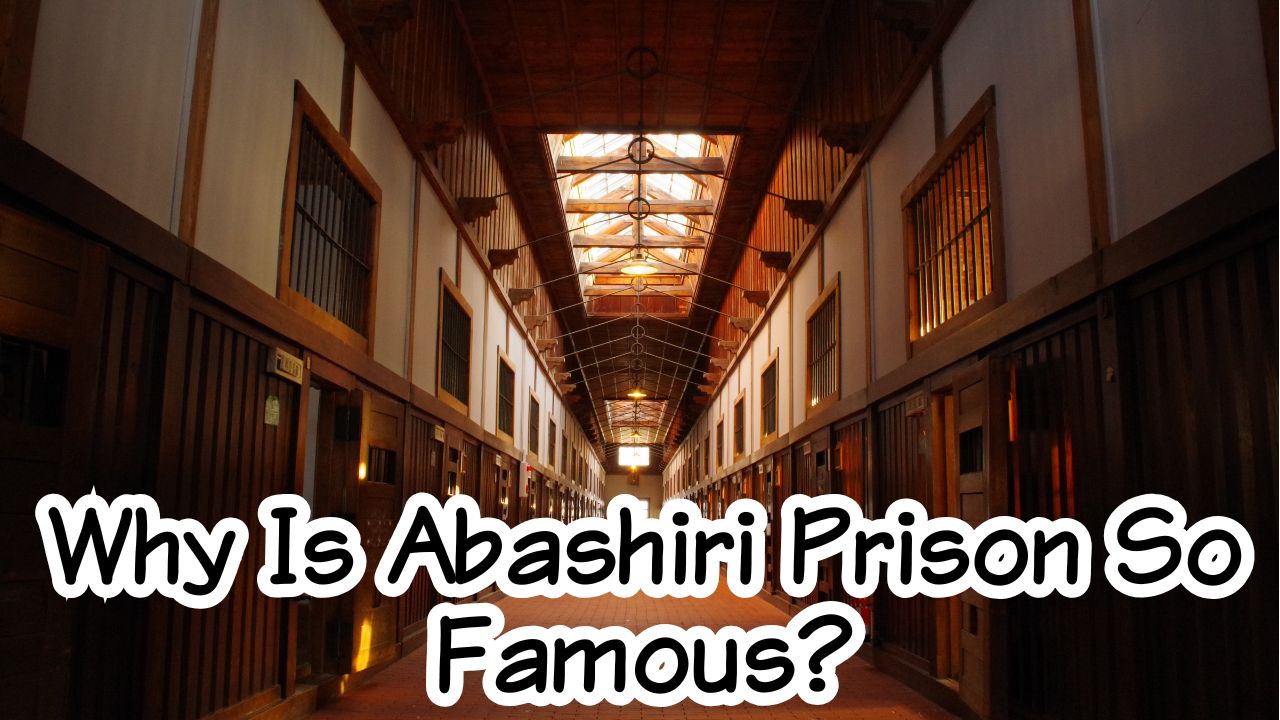
They became the Abashiri Prison Museum, an open-air museum that allows visitors to explore Japan’s oldest wooden prison buildings.
Walking through the museum feels like stepping back into the Meiji Era.
Visitors can see prison cells, workshops, kitchens, bathhouses, and guard towers while learning about the daily lives of prisoners and prison officers.
More Than a Prison
Today, the museum is not about glorifying crime.
Instead, it helps visitors understand an important chapter of Japanese history.
The exhibits explain:
- Why prisoners were sent to Hokkaido
- How roads were built
- How prison life worked
- How Hokkaido developed during the Meiji Era
This makes Abashiri Prison one of the best places to learn about the history behind modern Hokkaido.
Why Movies Made Abashiri Even More Famous
Many Japanese people first heard of Abashiri Prison through the popular “Abashiri Prison” (Abashiri Bangaichi) film series starring Ken Takakura.
Released during the 1960s, these movies made the prison famous across Japan.
Although the films are fictional, they introduced millions of people to Abashiri and helped make it one of Hokkaido’s best-known landmarks.
Today, many visitors come because they know the movies, while others come simply to experience one of Japan’s most unusual museums.
Why You Should Visit Today
Abashiri Prison Museum offers something different from castles, temples, or gardens.
It tells a true story.
Instead of simply looking at old buildings, you’ll discover how courage, hardship, and determination helped shape Hokkaido into the place we know today.
It’s a place where history feels real.
And that’s exactly what makes it unforgettable.
From History to Manga: Golden Kamuy
The history of Hokkaido has inspired not only museums and history books but also one of Japan’s most celebrated manga series—Golden Kamuy.
Known around the world, the series combines adventure, survival, and historical fiction while drawing inspiration from Hokkaido’s frontier history, the Ainu culture, and the Meiji-era prison system. If you’ve already read the manga or watched the anime, visiting Abashiri Prison Museum offers a fascinating opportunity to experience the real places and history that inspired many elements of the story.
Why Golden Kamuy Fans Should Visit Abashiri
Although Golden Kamuy is a work of fiction, many of its settings and historical themes are inspired by real places in Hokkaido.
The Abashiri Prison Museum helps visitors understand the harsh conditions faced by prisoners during Hokkaido’s early development. Walking through the preserved prison buildings offers a deeper appreciation of the historical background that influenced the world of Golden Kamuy.
Whether you’re a fan of the series or simply interested in Japanese history, it’s an unforgettable experience.
Why I Recommend It
- Discover the real history behind a world-famous manga.
- Learn about Hokkaido’s frontier and Meiji-era history.
- Explore authentic historic prison buildings.
- A must-visit destination for history and anime fans alike.
My Recommended Itinerary for Abashiri
Museum Abashiri Prison is one of Hokkaido’s most fascinating historical attractions, but it’s located in eastern Hokkaido, far from New Chitose Airport. I recommend spending at least two nights in the area so you can enjoy the journey without rushing.
Option 1: A Relaxed 3-Day Road Trip
Day 1
- Arrive at New Chitose Airport
- Rent a car
- Drive to Abashiri (about 5.5–6 hours)
- Stay overnight in Abashiri
Day 2
- Visit Museum Abashiri Prison
- Explore the Okhotsk Ryuhyo Museum or Lake Abashiri
- Stay overnight in Abashiri
Day 3
- Return to New Chitose Airport, or continue your journey to Shiretoko or Akan National Park.
This itinerary gives you plenty of time to enjoy eastern Hokkaido’s spectacular scenery along the way.
Option 2: Fly to Eastern Hokkaido
If you’re short on time, consider taking a domestic flight from New Chitose Airport to Memanbetsu Airport.
The flight takes about 50 minutes, and from Memanbetsu Airport it’s only about 20 minutes by car to Museum Abashiri Prison. This is the fastest and most convenient way to visit Abashiri.
Why I Recommend It
- Save several hours of travel time.
- Spend more time sightseeing.
- Easy access from Memanbetsu Airport.
- Perfect for shorter Hokkaido trips.
Did You Know?
- Abashiri Prison opened in 1890.
- The museum preserves some of Japan’s oldest wooden prison buildings.
- Prisoners helped construct major roads across eastern Hokkaido.
- The famous Abashiri Bangaichi movies introduced the prison to audiences across Japan.
- The museum is designated as an Important Cultural Property in Japan for several of its historic buildings.
FAQ
Is Abashiri Prison still an active prison?
No. The original prison buildings are now part of the Abashiri Prison Museum. A modern correctional facility operates separately nearby.
Why were prisoners sent to Hokkaido?
The Japanese government used prison labor to help develop Hokkaido by building roads and other infrastructure during the Meiji Era.
Can you go inside the prison cells?
Yes. Visitors can enter many of the preserved buildings and experience what prison life was like.
Is the museum suitable for children?
Yes. While the history is serious, the exhibits are educational and appropriate for families.
How long should I spend at the museum?
Most visitors spend 2–3 hours exploring the museum grounds and exhibitions.
Visit It Yourself
Location
- Abashiri Prison Museum (https://maps.app.goo.gl/SQViaDXtE2uKwqVs8)
- Abashiri, Hokkaido, Japan(https://maps.app.goo.gl/hUWANtvNd6LwotaR9)
Best Season
- Summer (June–August): Pleasant weather for walking around the spacious outdoor museum.
- Autumn (September–October): Beautiful fall colors create a striking contrast with the historic wooden buildings.
- Winter (December–February): Snow-covered prison buildings offer a dramatic and unforgettable atmosphere.
How to Get There
- About 10 minutes by bus or taxi from JR Abashiri Station.
- About 20 minutes by car from Memanbetsu Airport.
Estimated Visit Time
2–3 hours
Admission Fee
An admission fee is required.
Please check the official website for the latest information.
Official Website

Final Thoughts
Abashiri Prison is much more than an old prison.
It tells the story of how Hokkaido grew from a remote frontier into one of Japan’s most beloved travel destinations. Behind today’s beautiful roads and thriving towns lies a history of incredible hardship and determination.
Walking through the preserved prison buildings allows you to see that history with your own eyes. It is a place that makes you think, learn, and appreciate Hokkaido in a completely new way.
If you’re looking for an attraction that’s different from the usual sightseeing spots, Abashiri Prison Museum deserves a place on your itinerary.









コメント