

My name is MAKO
Based in Sapporo, Hokkaido | Born and raised in Obihiro, Hokkaido | Lover of Sapporo Classic beer and fresh sashimi | Passionate about road trips and camping | Always chasing beautiful scenery
The Short Answer — Why Was Ikeda Wine Castle Built?
Ikeda Wine Castle was built in 1974 as a center for producing and studying Tokachi Wine, a wine brand started by the town in 1963.
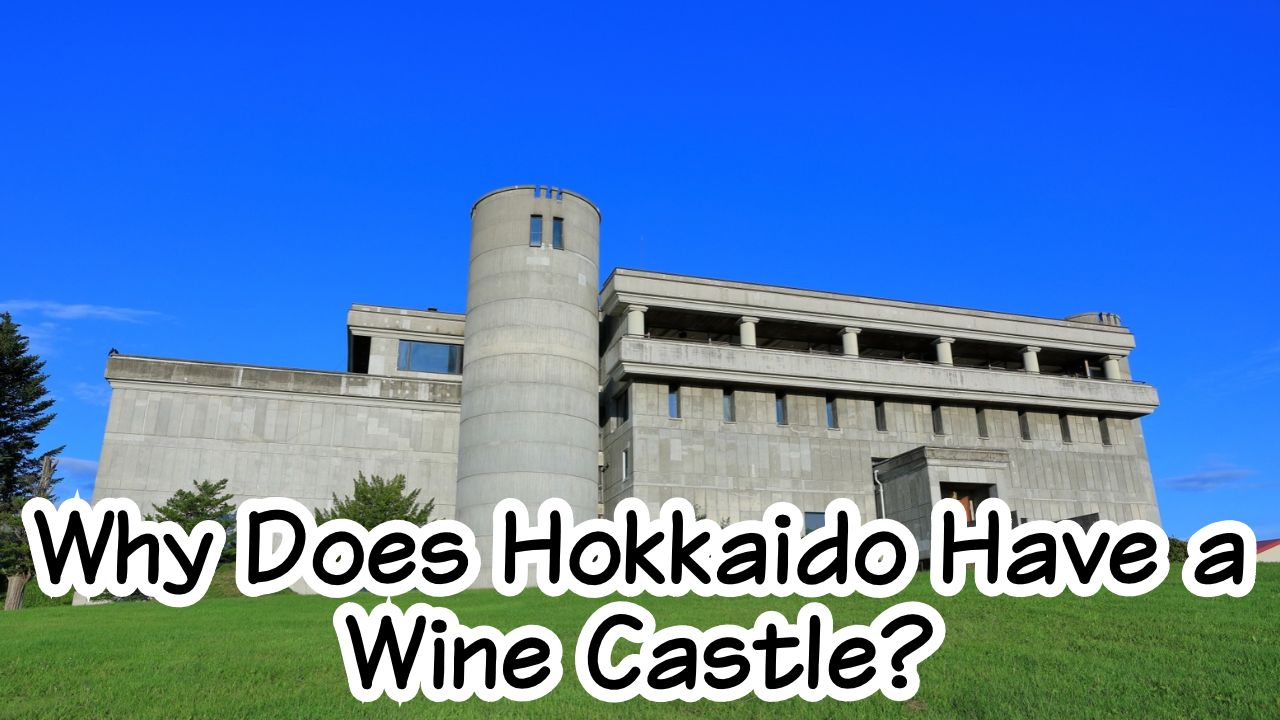
Its unusual appearance resembles a medieval European castle, giving it the nickname “Wine Castle.”
Behind this remarkable building is a story of a small Hokkaido town that turned to winemaking after a series of natural disasters and agricultural hardships. town.hokkaido

Why You Should Care— A Castle Built From a Town’s Determination
Imagine driving through the open countryside of Tokachi.
Fields stretch toward the horizon, and distant mountains rise beneath the wide Hokkaido sky.
Then, on a hill overlooking the town, you suddenly see something unexpected.
A castle!
But instead of knights and royal families, you’ll find barrels of aging wine, local food, and panoramic views of the Tokachi Plain.
What’s even more surprising is why this castle exists.
It wasn’t built simply to attract tourists.
It grew from the determination of local people who wanted to create a better future for their town.
And once you know that story, Ikeda Wine Castle becomes much more than a beautiful place to visit.
The Story Behind It — How Ikeda Built Hokkaido’s Famous Wine Castle
Why Did Ikeda Start Making Wine in Hokkaido?
The story begins in the 1950s, when Ikeda faced serious difficulties.
In 1952, a major earthquake struck the Tokachi region. The following years brought severe cold-weather damage to local agriculture.
Poor harvests placed enormous pressure on the town’s economy.
Ikeda needed a new way forward.
Then, the town’s mayor, Kaneho Marutani, noticed something interesting.
Wild grapes were growing naturally in the surrounding countryside.
If grapes could survive Hokkaido’s cold climate, perhaps they could become the foundation of a new local industry.
In 1960, local young farmers formed a grape-growing group and began experimenting.
Three years later, in 1963, Ikeda received permission to produce wine on a trial basis, becoming a pioneer of municipality-run winemaking in Japan.
What began as an effort to overcome economic hardship eventually became one of Hokkaido’s most famous wine stories.
Why Was Ikeda Wine Castle Built in 1974?
As Ikeda’s wine business developed, the town needed better facilities for making, storing, and studying wine.
In 1974, a large new building was completed on a hill overlooking the town.
This became the main facility of the Ikeda Town Grape and Wine Research Institute.
But why does it look like a castle?
Its design resembles a medieval European fortress, with sturdy walls, narrow windows, and rounded towers.
Because of that unusual appearance, people began calling it “Wine Castle.”
The nickname became so popular that it is now the landmark’s best-known name.
And here’s the interesting part.
The building wasn’t designed merely as a tourist attraction. It was an important part of Ikeda’s growing wine industry.
Today, it also represents the town’s history and pride.
How Did Ikeda Create Wine Grapes That Could Survive Hokkaido’s Winters?
Growing grapes in Tokachi isn’t easy.
The region experiences extremely cold winters, and many European wine grape varieties struggle in such conditions.
But Ikeda’s winemakers saw an opportunity in the wild grapes already growing nearby.
These grapes had adapted to Hokkaido’s harsh environment.
By studying and crossing different grape varieties, local researchers worked to develop grapes suitable for Tokachi’s climate.
One of their greatest achievements was Yamasachi.
This red wine grape was developed by crossing a locally adapted wild grape with a cultivated variety called Kiyomi.
Yamasachi is known for producing wines with deep color, noticeable acidity, and a distinctive character.
In November 2020, Yamasachi was added to the grape variety list of the International Organisation of Vine and Wine (OIV).
It became the first Hokkaido-developed grape variety to receive this international recognition.
Think about that.
The cold weather that once caused serious problems for local farmers became part of the reason Ikeda developed its own distinctive wine grapes.
That’s a remarkable change.
What Is Hidden Inside Ikeda Wine Castle?
From the outside, Ikeda Wine Castle looks like a European fortress.
But step inside, and you’ll discover a working world of wine.
One of the most fascinating areas is the underground aging cellar.
Here, wooden barrels and bottles of wine are stored while their flavors develop over time.
The cool, carefully managed environment helps preserve the wine during aging.
You can also see the brandy distillation room through glass windows and learn how Tokachi’s winemaking traditions have developed.
On the first floor, there’s a shopping area where visitors can explore local wines and other Tokachi products.
And on the fourth floor, a restaurant serves dishes featuring regional ingredients.
The castle underwent a major renovation and reopened in June 2020, offering visitors an improved experience while preserving its historic identity.
Why Is Ikeda Wine Castle Worth Visiting Today?
Ikeda Wine Castle is more than a place to learn about wine.
It’s also a wonderful spot to enjoy the landscape and food culture of Tokachi.
From the rooftop observation area, visitors can enjoy sweeping views of the Tokachi Plain, the Tokachi countryside, and the distant Hidaka Mountains.
Inside the castle, you can browse local products, learn about wine production, and enjoy food made with ingredients from the surrounding region.
Wine tastings and guided experiences may also be available, depending on the schedule.
Autumn is a particularly attractive season, when the countryside changes color and the grape harvest brings a special atmosphere to the region.
And even if you don’t drink wine, the building, its history, and the views make it an interesting stop on a Hokkaido trip.
Just remember that the rooftop observation area can close during bad weather and is generally unavailable in winter.
Did You Know? — Five Surprising Facts About Ikeda Wine Castle
- Tokachi Wine was born in 1963. Ikeda was a pioneer of municipality-run winemaking in Japan.
- The Wine Castle was completed in 1974. Its medieval European appearance inspired the nickname “Wine Castle.”
- Ikeda’s wine industry began after natural disasters. An earthquake and severe agricultural losses encouraged the town to search for a new industry.
- Ikeda developed its own wine grape. Yamasachi received international recognition from the OIV in 2020.
- The Wine Castle was renovated in 2020. The historic winery became an even more welcoming destination for visitors.
FAQ — Everything Travelers Want to Know About Ikeda Wine Castle
Is Ikeda Wine Castle a Real Castle?
No. Ikeda Wine Castle is a wine production and research facility, not a royal residence or military fortress.
Its castle-like design inspired its famous nickname. The building is officially associated with the Ikeda Town Grape and Wine Research Institute.
Is Ikeda Wine Castle Free to Visit?
Yes. General admission to Ikeda Wine Castle is free.
Visitors can explore designated areas of the building, including the shopping area and exhibition spaces. Wine tastings, guided experiences, and restaurant meals may have additional charges.
Can You See Wine Barrels Inside Ikeda Wine Castle?
Yes. One of the castle’s highlights is its underground aging cellar.
Visitors can see barrels and bottles used for storing and aging Tokachi Wine in the designated viewing areas.
Can You Visit Ikeda Wine Castle Without Drinking Wine?
Absolutely!
You can enjoy the castle-like architecture, learn about local history, explore the exhibitions, shop for Hokkaido specialties, and admire the Tokachi landscape from the rooftop when it is open.
What Is the Difference Between Tokachi Wine and Yoichi Wine?
Both come from Hokkaido, but their stories are different.
Tokachi Wine began as a town-led project in Ikeda and became known for developing cold-resistant grape varieties such as Yamasachi.
Yoichi, on the other hand, has grown into a wine region with many independent producers and is particularly known for varieties such as Pinot Noir.
Visit It Yourself
Ikeda Wine Castle sits on a hill overlooking Ikeda Town in the Tokachi region of eastern Hokkaido.
It is an excellent place to combine local history, wine culture, food, and countryside scenery.
| Travel Information | Details |
|---|---|
| Location | 83-4 Kiyomi, Ikeda Town, Hokkaido, Japan |
| Best Season | May–October for green landscapes and autumn colors; indoor visits are possible year-round |
| From Obihiro | Approximately 30 minutes by car |
| By Train | JR Ikeda Station, then approximately 5 minutes by taxi or car |
| From Tokachi-Ikeda IC | Approximately 15 minutes by car |
| Estimated Visit Time | 1–2 hours; longer if dining or joining a tour |
| Admission Fee | Free general admission; some activities and tastings cost extra |
| Typical Opening Hours | 9:00 AM–5:00 PM |
| Official Website | Ikeda Wine Castle Official Website |
Travel Tips for Enjoying Ikeda Wine Castle
If you’re visiting for the first time, start with the underground aging cellar to discover how Tokachi Wine is stored.
Next, explore the exhibitions and shopping area to learn about the local grapes and winemaking history.
If the weather is good and the observation area is open, head up to the rooftop for beautiful views of the surrounding countryside.
Finally, enjoy a meal featuring Tokachi ingredients or explore the available wine-tasting options.
Travel Tip: If you plan to taste wine, travel by train, taxi, or with a designated driver. Never drink and drive.
Please check the official website for the latest information.
Final Thoughts — A Castle That Tells the Story of a Small Town’s Dream
At first glance, Ikeda Wine Castle might seem like an unusual European-style building in the Hokkaido countryside.
But its story goes much deeper.
It began with a town struggling after natural disasters and agricultural difficulties.
Instead of giving up, local people looked at the wild grapes growing around them and imagined a new future.
Their efforts led to Tokachi Wine, the development of grape varieties suited to Hokkaido’s cold climate, and eventually the construction of the Wine Castle.
Today, the building stands as a symbol of Ikeda’s determination and creativity.
When you visit, take a moment to look beyond the castle-like walls.
Imagine the farmers and researchers who worked for years to make wine in a place where many people thought it would be difficult.
And remember that some of Hokkaido’s most interesting attractions aren’t simply beautiful places.
They’re places where people’s dreams became part of the landscape.








コメント