
My name is MAKO
Based in Sapporo, Hokkaido | Born and raised in Obihiro, Hokkaido | Lover of Sapporo Classic beer and fresh sashimi | Passionate about road trips and camping | Always chasing beautiful scenery
The Short Answer — How Was Sounkyo Gorge Formed?
Sounkyo Gorge was created by two powerful forces of nature: volcanic eruptions and river erosion.
Around 30,000–40,000 years ago, a massive eruption in the Daisetsuzan volcanic mountains spread thick layers of hot volcanic material across the area.
As the material cooled and hardened, cracks formed giant stone columns. Over thousands of years, the Ishikari River carved through these rocks, creating the dramatic cliffs we see today.

Why You Should Care — Discover the Ancient Story Behind Hokkaido’s Cliffs
Imagine driving through the mountains of central Hokkaido.
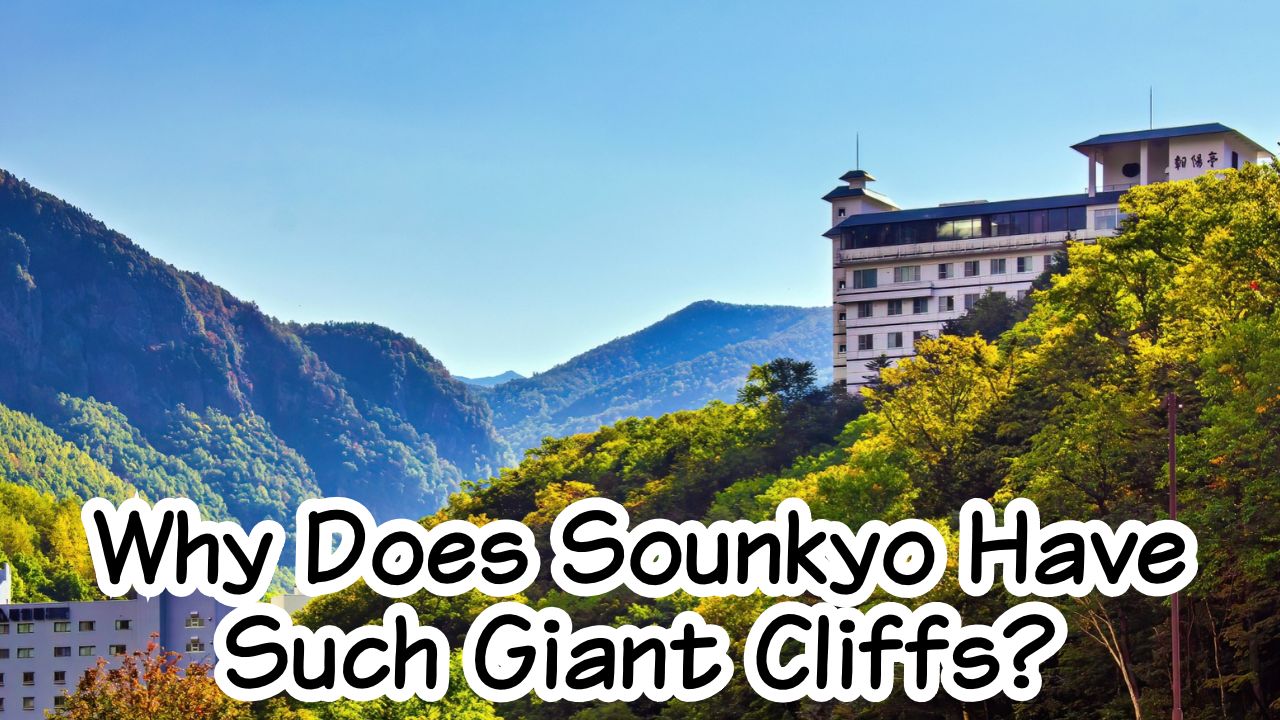
Suddenly, enormous rock walls rise on both sides of the valley.
Waterfalls tumble down the cliffs, and thick forests cover the surrounding mountains.
In autumn, the entire gorge turns beautiful shades of red, orange, and yellow.
It’s an unforgettable sight.
But here’s something even more fascinating.
Those cliffs were once part of a huge mass of hot volcanic material.
What now looks like an ancient stone fortress was shaped by fire, cooling rock, and flowing water.
Once you understand that story, every cliff and waterfall becomes a reminder of Hokkaido’s powerful natural history.
The Story Behind It— How Volcanoes and Rivers Created Sounkyo Gorge
How Did Ancient Volcanoes Create Sounkyo Gorge?
The story begins tens of thousands of years ago.
At that time, the Daisetsuzan volcanic mountains experienced a massive eruption.
The eruption was connected to the formation of the Ohachidaira Caldera, a large volcanic depression in the mountains.
Huge amounts of hot ash, gas, and broken rock rushed across the surrounding landscape.
This fast-moving mixture is called a pyroclastic flow.
In some places, the volcanic material accumulated to a thickness of around 200 meters (656 feet).
Over time, the deposits cooled and hardened into rock.
But the spectacular cliffs didn’t appear immediately.
The volcanic eruption created the rock layers. Nature still needed thousands of years to shape them into the gorge we recognize today.
Why Do Sounkyo’s Cliffs Look Like Giant Stone Columns?
One of the most unusual features of Sounkyo Gorge is the shape of its cliffs.
Look carefully, and you’ll notice that many rock walls appear to be made of long vertical columns.
They almost look like they were built by human hands.
But they’re completely natural.
When the thick volcanic deposits cooled, the rock slowly contracted.
As it shrank, cracks developed in regular patterns, dividing the rock into column-like shapes.
Geologists call this columnar jointing.
In Japanese, it’s known as chūjō setsuri (柱状節理).
The result is a series of remarkable rock formations that look like giant stone pillars standing side by side.
One famous place to see this is Obako, an area known for its impressive vertical rock walls.
How Did the Ishikari River Carve Sounkyo’s Giant Cliffs?
The volcanic eruption created the rock, but the Ishikari River helped create the gorge.
For thousands of years, water flowed through the area, gradually wearing away the rock.
Rain, snowmelt, and freezing temperatures also helped break down exposed surfaces.
Little by little, the river cut deeper into the volcanic deposits.
As the valley became deeper, the tall rock walls were exposed.
This process eventually created the steep-sided gorge that stretches for roughly 24 kilometers (15 miles).
Some sections have cliffs around 200 meters high.
Even today, the landscape continues to change.
Rockfalls and erosion are natural processes in this steep environment.
In fact, a major rockfall occurred in the gorge in 1987, reminding us that these impressive cliffs are still part of an active natural landscape.
That’s why visitors should stay in designated viewing areas rather than approaching unstable rock faces.
Why Does Sounkyo Have Such Beautiful Waterfalls?
Sounkyo isn’t only famous for its cliffs.
It’s also home to some of Hokkaido’s most beautiful waterfalls.
Two of the best known are Ginga Falls and Ryusei Falls.
Ginga Falls, or “Galaxy Falls,” drops approximately 120 meters (394 feet) in a thin, graceful stream.
Ryusei Falls, or “Shooting Star Falls,” is approximately 90 meters (295 feet) high and has a stronger, more powerful flow.
Because of their different appearances, they’re sometimes called the “female waterfall” and “male waterfall.”
The steep cliffs allow water flowing from the mountains to fall dramatically into the valley below.
For an especially memorable view, visitors can walk uphill to the Sobakudai observation point.
From there, you can see both waterfalls together.
And in autumn, the colorful trees make the scene even more spectacular.
What Makes Sounkyo Gorge Worth Visiting Today?
Today, Sounkyo is one of the most popular natural destinations in Daisetsuzan National Park.
But its appeal goes beyond the giant cliffs.
Visitors can explore the famous waterfalls, enjoy relaxing hot springs, and ride the Kurodake Ropeway into the surrounding mountains.
In summer, the mountains are covered in green forests and alpine plants.
In autumn, Sounkyo becomes one of Hokkaido’s most beautiful places to enjoy fall colors.
And in winter, the town hosts the Sounkyo Ice Fall Festival, featuring enormous ice structures illuminated at night.
The Kurodake Ropeway also offers a wonderful way to experience the scale of the Daisetsuzan Mountains without making a long mountain climb.
There’s one more story worth knowing.
The name Sounkyo was introduced in 1921 by the Japanese writer Keigetsu Omachi.
He drew inspiration from the Ainu place name Sounpet, meaning “river with waterfalls.”
It’s a fitting name for a place where water and rock have shaped the landscape for thousands of years.
Did You Know? — Five Surprising Facts About Sounkyo Gorge
- Sounkyo’s cliffs stretch for about 24 kilometers (15 miles). The gorge follows the upper Ishikari River through the Daisetsuzan Mountains.
- Some cliffs reach around 200 meters (656 feet). That’s taller than many city skyscrapers.
- The giant stone columns are completely natural. They formed when thick volcanic deposits cooled and cracked.
- Sounkyo received its famous name in 1921. Writer Keigetsu Omachi helped popularize the name, inspired by an Ainu place name meaning “river with waterfalls.”
- The gorge is still changing. Erosion and occasional rockfalls continue to shape the landscape, even today.
FAQ — Everything Travelers Want to Know About Sounkyo Gorge
Is Sounkyo Gorge Worth Visiting?
Absolutely! Sounkyo is one of Hokkaido’s most impressive natural landscapes.
Its towering cliffs, waterfalls, hot springs, and mountain scenery make it a wonderful destination for nature lovers and photographers.
When Is the Best Time to Visit Sounkyo Gorge?
Autumn is especially popular, when the surrounding mountains turn red, orange, and yellow.
Fall colors usually begin at higher elevations in September and reach lower areas later, often around early to mid-October.
Summer is ideal for green scenery, while winter offers snowy landscapes and the Ice Fall Festival.
Can You See Sounkyo’s Giant Cliffs Without Hiking?
Yes. Many of the cliffs can be seen from roads and designated viewpoints around the gorge.
However, some historic viewing areas are no longer directly accessible from the main road because of tunnels and safety restrictions.
Always use official viewing areas and respect closures.
What Are the Most Famous Waterfalls in Sounkyo?
Ginga Falls and Ryusei Falls are the two most famous.
They stand near each other and can be viewed from a parking-area viewpoint or together from the higher Sobakudai observation point.
Can You Visit Sounkyo Gorge in Winter?
Yes. Sounkyo is a year-round destination.
Winter visitors can enjoy snowy scenery, hot springs, and the Sounkyo Ice Fall Festival.
However, temperatures can be extremely low, and roads, trails, and mountain facilities may be affected by snow and strong winds.
Visit It Yourself
Sounkyo Gorge is located in Kamikawa Town, on the northern side of Daisetsuzan National Park.
The Sounkyo Onsen area is a convenient base for exploring the gorge.
| Travel Information | Details |
|---|---|
| Location | Sounkyo, Kamikawa Town, Hokkaido, Japan |
| Best Season | June–October for scenery; September–October for fall colors; winter for snow and ice attractions |
| From Asahikawa | Approximately 1–1.5 hours by car |
| By Bus | Approximately 110 minutes from Asahikawa to Sounkyo by Dohoku Bus |
| From Kamikawa Station | About 35 minutes by bus |
| Estimated Visit Time | 2–4 hours for waterfalls and sightseeing; a full day or overnight for the ropeway and hot springs |
| Admission Fee | No general admission fee for the gorge; ropeway, festival, and hot spring facilities charge separately |
| Official Tourism Website | Sounkyo Tourism Association |
| Ropeway Website | Kurodake Ropeway |
The estimated journey times are based on the tourism association’s published access information.
Three Ways to Enjoy Sounkyo Gorge
1. Admire Ginga Falls and Ryusei Falls
Start with Sounkyo’s two famous waterfalls. They’re among the best places to appreciate the height of the cliffs.
If you’re comfortable with a short uphill walk, the Sobakudai observation point offers a view of both waterfalls together.
2. Ride the Kurodake Ropeway
The ropeway takes approximately seven minutes to reach the fifth station of Mount Kurodake.
From there, you can enjoy mountain scenery and short walking trails when conditions permit.
As of November 2026, the adult round-trip ropeway fare is ¥3,000. The operator has also announced a fare change starting June 1, 2027.
3. Relax at Sounkyo Onsen
After exploring the gorge, spend some time at one of the local hot springs.
Relaxing in warm water surrounded by mountain scenery is a wonderful way to end your day.
Winter Travel Tip
If you’re visiting in winter, the Sounkyo Ice Fall Festival is another special experience.
The next festival is scheduled for January 23–March 7, 2027, according to the official tourism association.
Be prepared for freezing temperatures, icy walking surfaces, and possible weather-related closures.
Please check the official website for the latest information.
Final Thoughts — Sounkyo’s Cliffs Tell a Story Written by Nature
At first glance, Sounkyo Gorge might look like a spectacular valley surrounded by giant stone walls.
But those cliffs tell a much older story.
It began with a massive volcanic eruption tens of thousands of years ago.
As the volcanic material cooled, it formed enormous stone columns. Then, the Ishikari River slowly carved through the landscape, exposing the dramatic rock walls we see today.
Even the waterfalls are part of this remarkable natural story.
When you visit Sounkyo, take a moment to look closely at the cliffs.
Notice the long cracks in the rock, the waterfalls flowing down the walls, and the forests growing along the valley.
They are reminders of how fire, water, and time created one of Hokkaido’s most extraordinary landscapes.
And perhaps the next time you see a beautiful mountain or valley, you’ll find yourself asking a new question.
Why does it look this way?
That’s when the real adventure begins.







コメント