
My name is MAKO
Based in Sapporo, Hokkaido | Born and raised in Obihiro, Hokkaido | Lover of Sapporo Classic beer and fresh sashimi | Passionate about road trips and camping | Always chasing beautiful scenery
Why Is Sapporo So Famous?
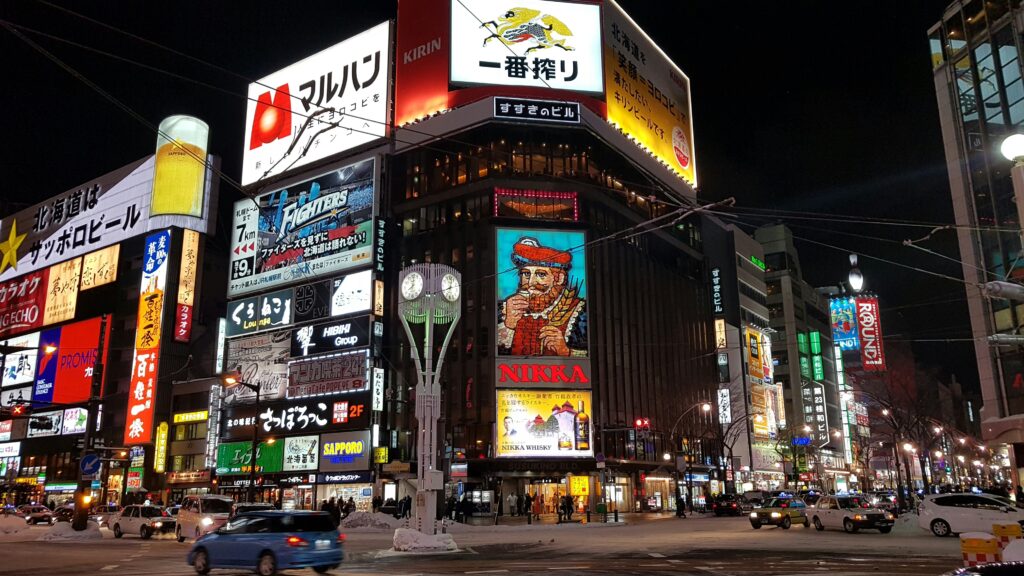
Sapporo is famous for its snowy winters, delicious food, beautiful parks, and world-famous Snow Festival.
But its story is much deeper. Unlike many Japanese cities with centuries of history, Sapporo was carefully planned from the beginning and grew into the vibrant capital of Hokkaido in less than 200 years.
Why You Should Care
When many travelers think of Sapporo, they picture giant snow sculptures, steaming bowls of miso ramen, or a glass of cold Sapporo beer.
Those are all wonderful reasons to visit—but they’re only part of the story.
Sapporo is one of Japan’s newest major cities. It wasn’t built around an ancient castle or a famous temple. Instead, it was created with a bold vision: to become the center of Hokkaido’s development.
Once you know that story, you’ll notice details that many visitors overlook. Wide streets, large parks, and even the city’s famous food all reflect Sapporo’s unique history.
A Young City That Became Hokkaido’s Heart
Many of Japan’s most famous cities are hundreds or even thousands of years old.
Kyoto was Japan’s capital for more than 1,000 years. Kanazawa grew around a powerful castle. Nara is filled with ancient temples.
Sapporo is different.
Its history as a modern city began in the late 1800s, making it one of Japan’s youngest major cities.
That might sound surprising, but being young gave Sapporo something special: the chance to be built with a clear plan for the future.
Why Was a New City Needed?
During the Meiji Era (1868–1912), Japan began modernizing rapidly.
At the same time, the government realized that Hokkaido was an important region with vast land, rich natural resources, and strategic importance.
To support development, a new administrative center was needed.
Sapporo was chosen because it sat on the wide Ishikari Plain, where there was enough flat land to build a large city.
Nearby rivers also provided fresh water and transportation, making the area ideal for growth.
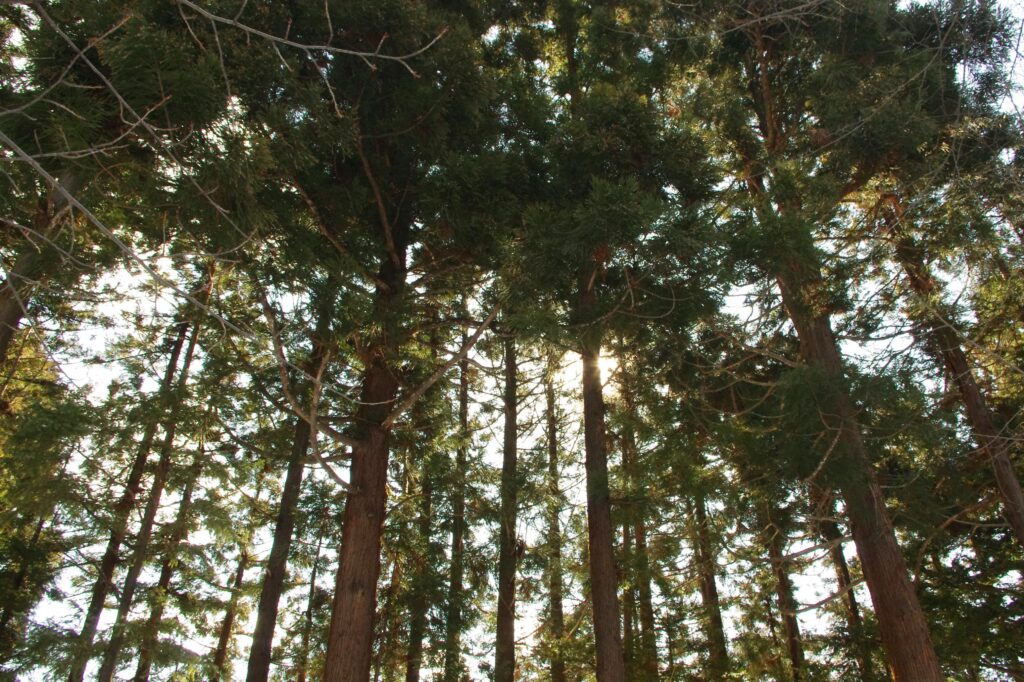
Why Was Sapporo Chosen as Hokkaido’s Capital?
When Japan began developing Hokkaido in the late 19th century, the government needed a new administrative center for the island. Although Hakodate was already a thriving port city, Sapporo offered several important advantages.
Located on the vast Ishikari Plain, Sapporo had plenty of space for future growth, fertile farmland, and easy access to inland transportation routes. The city was also designed from the beginning as a modern planned city with wide streets and an organized grid layout.
These advantages helped Sapporo grow rapidly, and it eventually became the political, economic, and cultural center of Hokkaido that millions of people know today.
Sapporo by the Numbers
Sapporo isn’t just the capital of Hokkaido—it’s one of Japan’s largest and most vibrant cities. Here are a few numbers that show just how important Sapporo is.
- Population: Approximately 2 million people
- Japan’s 5th largest city by population
- Around one-third of Hokkaido’s population lives in Sapporo
- Founded in 1868, making it one of Japan’s newest major cities
- Odori Park stretches about 1.5 km (0.9 miles) through the heart of the city
- Home to the world-famous Sapporo Snow Festival, attracting millions of visitors in many years
- New Chitose Airport is about 40 minutes away by JR Rapid Airport train
These numbers show why Sapporo has become the gateway to Hokkaido and one of Japan’s most popular destinations for both domestic and international travelers.
Why Does Sapporo Look Different from Other Japanese Cities?
One of the first things many visitors notice is how easy Sapporo is to navigate.
The streets are wide.
The blocks are neatly arranged.
Finding your way around feels surprisingly simple.
That’s because Sapporo was designed before most of the city was built.
A Grid System Inspired by Modern City Planning
Unlike older Japanese cities that grew naturally over centuries, Sapporo was carefully planned using a grid layout.
The streets run north to south and east to west, making directions much easier to understand.
Even locals often use block numbers instead of street names when giving directions.
For travelers, this makes exploring the city much less stressful.
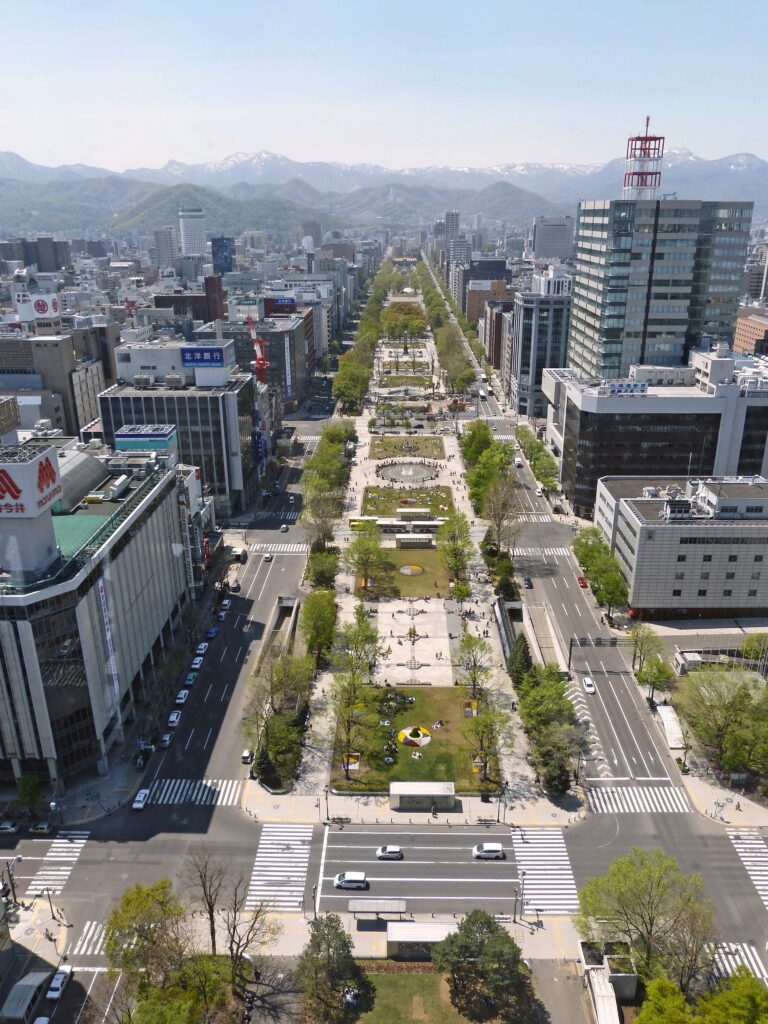
Why Is Sapporo So Easy to Navigate?
One of the reasons visitors love exploring Sapporo is its simple grid layout.
Unlike many Japanese cities that grew naturally over time, Sapporo was carefully planned from the beginning. Discover how this unique design shaped the city and why it still makes sightseeing so convenient today.

A City Designed for Snow
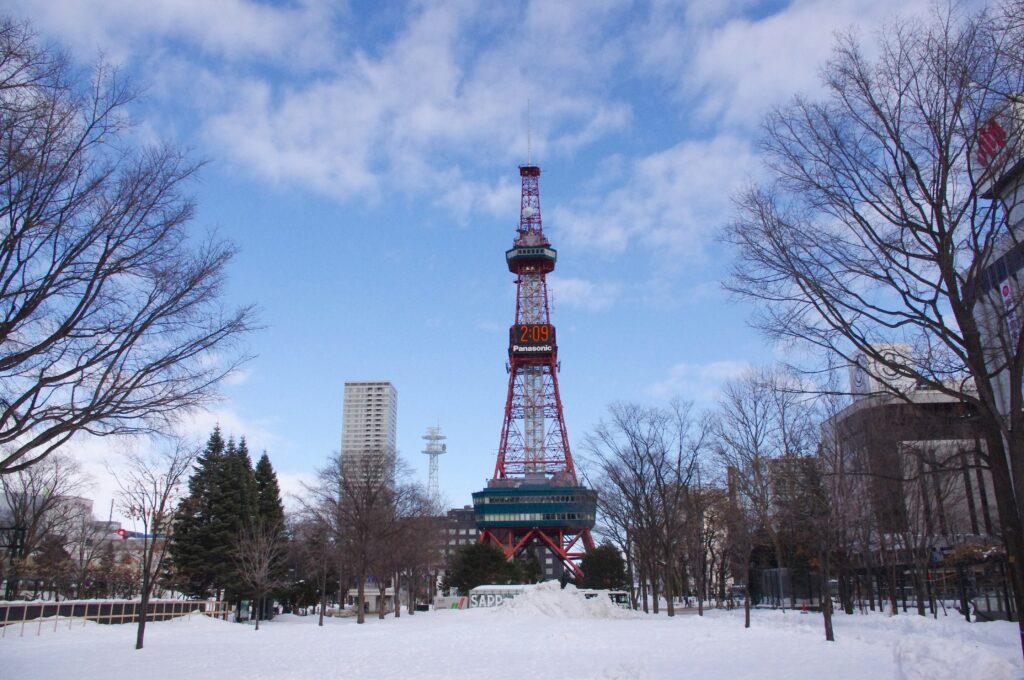
Sapporo receives around five meters (16 feet) of snowfall each year, making it one of the snowiest major cities in the world.
Living with so much snow requires creative ideas.
Over the years, the city has developed many ways to make winter life easier.
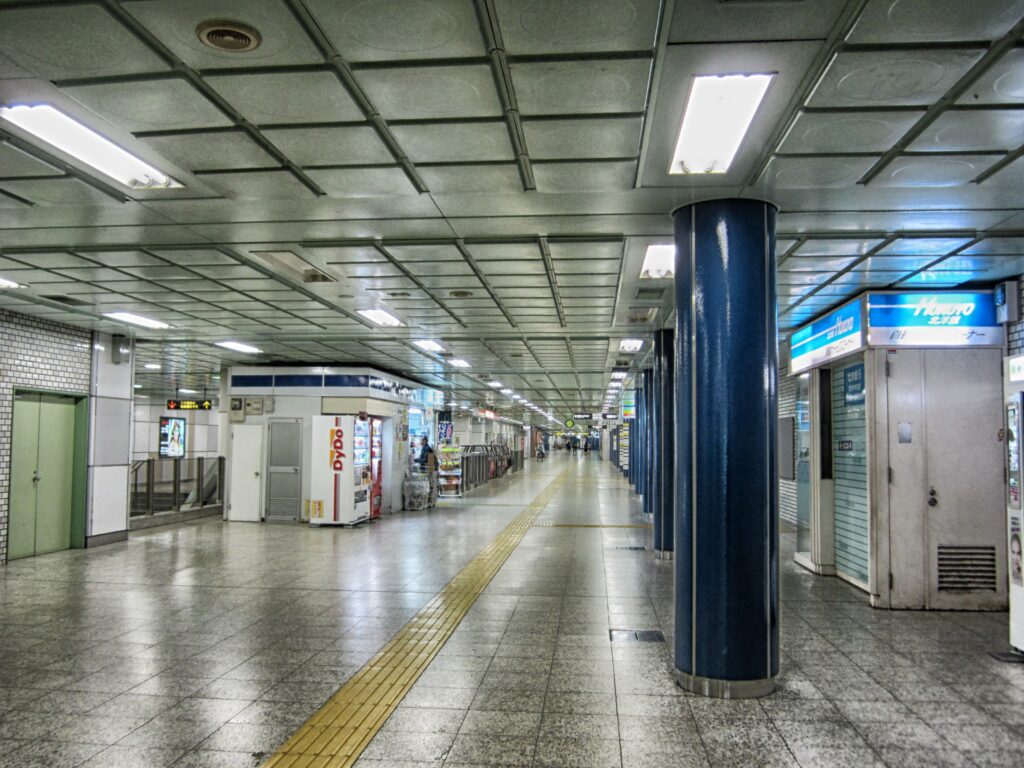
For example, underground shopping streets allow people to walk comfortably even during snowstorms. Some roads have snow-melting systems, and public transportation continues to operate efficiently despite heavy snowfall.
Winter isn’t just something people endure in Sapporo—it’s part of everyday life.
Why Do Food Lovers Visit Sapporo?
Food is one of the biggest reasons people fall in love with Sapporo.
Thanks to Hokkaido’s rich farmland, clean water, and cold climate, the city enjoys some of Japan’s freshest ingredients.
Whether you’re looking for seafood, ramen, grilled lamb, or sweets, Sapporo offers something unforgettable.
Sapporo Miso Ramen Was Born Here
Perhaps no dish represents Sapporo better than miso ramen.
Created in the late 1950s, it was designed to warm people during Hokkaido’s long winters.
Rich miso broth, curly noodles, stir-fried vegetables, butter, and sweet corn became the perfect combination.
Today, travelers from around the world visit Sapporo just to enjoy an authentic bowl.
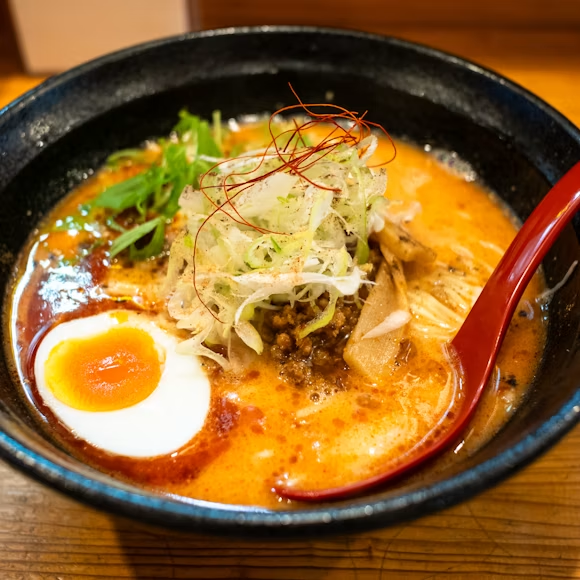
Want to Learn the Full Story?
Sapporo miso ramen is more than just a delicious local specialty. It was created to help people stay warm during Hokkaido’s long winters, and its history is deeply connected to the city’s development.

Fresh Seafood All Year Round
Although Sapporo is not directly on the coast, it is surrounded by some of Japan’s richest fishing grounds.
Fresh seafood arrives every morning from ports across Hokkaido.
Crab, sea urchin, scallops, salmon roe, and seasonal fish can all be enjoyed without traveling far.
For many visitors, breakfast at Nijo Market becomes one of the highlights of the trip.
Local Favorites Beyond Sushi
Sapporo’s food culture goes far beyond seafood.
The city is also famous for:
- Jingisukan (grilled lamb barbecue)
- Soup curry
- Sapporo Beer
- Fresh dairy products
- Hokkaido sweets made with local milk and butter
Every meal tells a different part of Hokkaido’s story.
Why Is Hokkaido’s Seafood So Fresh?
The delicious sushi you enjoy in Hokkaido starts with the region’s incredible seafood.
Surrounded by rich fishing grounds where cold and warm ocean currents meet, Hokkaido is blessed with some of the freshest seafood in Japan. Discover why Hokkaido has become a paradise for seafood lovers.

Why Is the Sapporo Snow Festival World Famous?
If there’s one event that puts Sapporo on the world map, it’s the Sapporo Snow Festival.
Every February, millions of visitors gather to see giant snow and ice sculptures that transform the city into a magical winter wonderland.
What started as a small local event has grown into one of Japan’s most famous festivals.
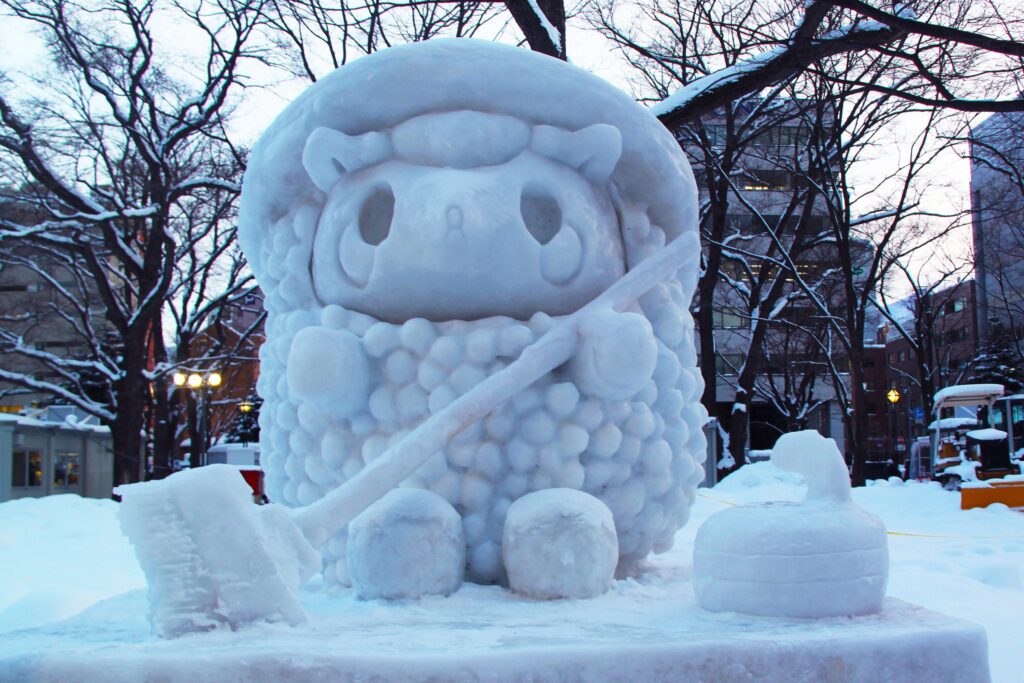
It All Started with Six Snow Statues
The festival began in 1950, when local high school students built six snow statues in Odori Park.
What started as a fun winter activity quickly captured people’s imagination. More visitors came each year, and the sculptures became larger and more detailed.
Today, artists from around the world create breathtaking works of art using only snow and ice. Some sculptures are as tall as buildings and take weeks to complete.
Winter Isn’t a Season to Escape—It’s a Season to Celebrate
In many places, people stay indoors during winter.
In Sapporo, winter is celebrated.
Snow isn’t seen as a problem—it becomes art, entertainment, and a reason for people to gather together. The Snow Festival perfectly reflects Hokkaido’s positive relationship with its long, snowy winters.
Nature in the Heart of the City
One of Sapporo’s greatest surprises is how close nature is.
Even though it’s Hokkaido’s largest city, beautiful parks, forests, and mountains are only minutes away.
That’s one reason why so many visitors find Sapporo relaxing.
Parks That Change with Every Season
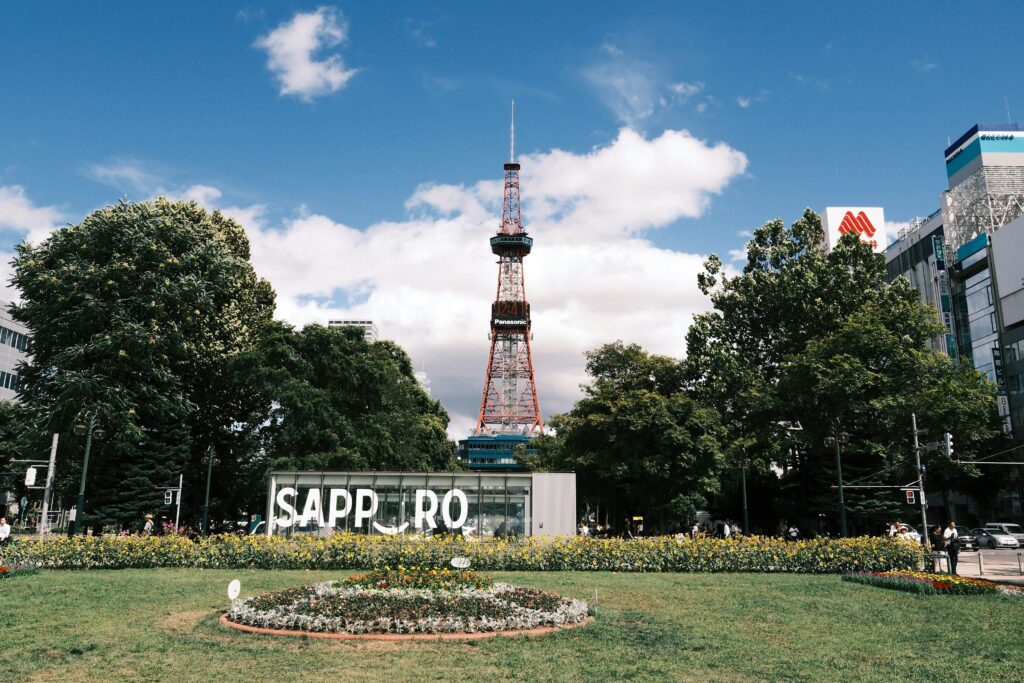
Odori Park stretches through the center of the city, offering flowers in spring, festivals in summer, colorful leaves in autumn, and the Snow Festival in winter.
Just a short distance away, Maruyama Park and Hokkaido University are filled with beautiful trees that showcase the changing seasons.
A Mountain View Just Minutes Away
Want to see the entire city?
Take the ropeway to Mt. Moiwa.
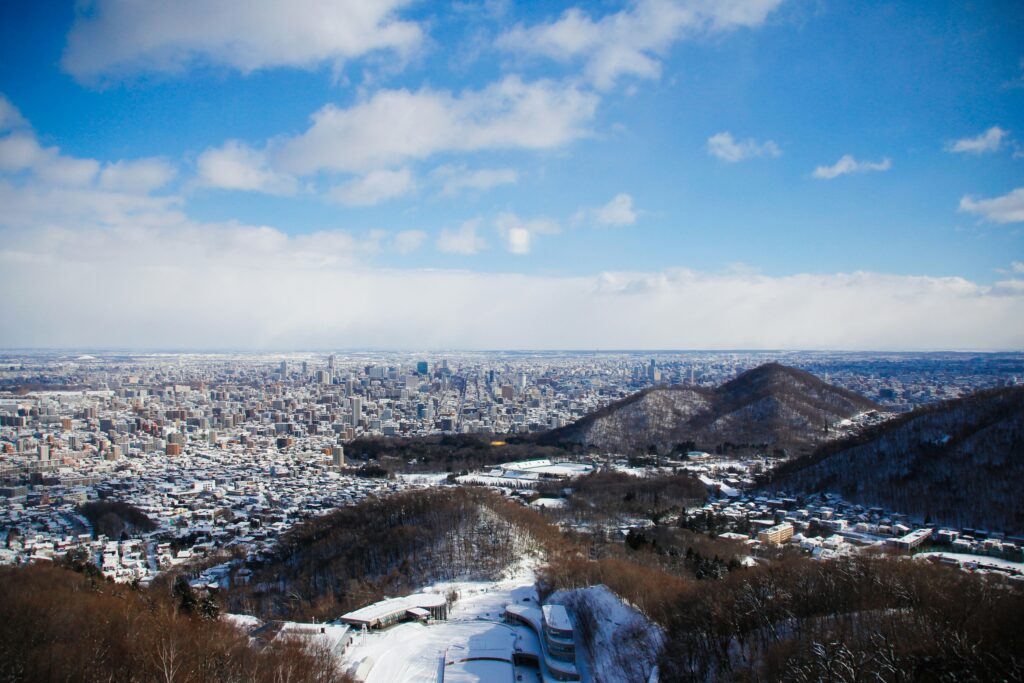
From the summit, you’ll enjoy one of Japan’s most beautiful night views. Looking down, you’ll notice how the city blends naturally with the surrounding mountains.
It’s hard to believe such scenery is only about 30 minutes from downtown.
Why Is the View from Mt. Moiwa So Famous?
Just a short trip from downtown Sapporo, Mt. Moiwa offers one of Japan’s most spectacular city views. Whether you visit during the day or after sunset, the panoramic scenery is unforgettable. Discover why Mt. Moiwa’s famous million-dollar night view has become one of Hokkaido’s must-see attractions.
Read next: Why Is the View from Mt. Moiwa So Famous? The Story Behind Sapporo’s Million-Dollar Night View

Asahiyama Memorial Park – One of Sapporo’s Best Viewpoints
If you’re looking for another beautiful place to enjoy nature and panoramic views, Asahiyama Memorial Park is well worth a visit.
Located on a hillside just south of central Sapporo, the park offers one of the city’s best viewpoints. From the observation area, you can enjoy a sweeping view of downtown Sapporo surrounded by mountains, making it a popular spot for both locals and visitors.
The park is beautiful in every season, from fresh greenery in spring and summer to colorful autumn leaves and snow-covered landscapes in winter. It’s also a peaceful place to relax away from the crowds.
Address
4 Chome-1-3 Sakaigawa, Chuo-ku, Sapporo
From Sapporo Station
- Take the Namboku Subway Line to Odori Station.
- Transfer to the Tozai Subway Line and get off at Maruyama Koen Station.
- From Bus Stop No.1, take the JR Hokkaido Bus (Asahiyama Koen Line / En13).
- Get off at Asahiyama Koen-mae and walk about 4 minutes to the park.
From Odori Park
- Walk to Odori Station.
- Take the Tozai Subway Line to Maruyama Koen Station.
- Transfer to the JR Hokkaido Bus (Asahiyama Koen Line / En13).
- Get off at Asahiyama Koen-mae and walk about 4 minutes.
Why Is Sapporo the Gateway to Hokkaido?
For many travelers, Sapporo is the first stop on their Hokkaido adventure.
But it’s much more than a convenient base.
Its excellent transportation network makes it easy to explore the entire island while enjoying the comfort of a modern city.
Easy Access to Hokkaido’s Top Destinations
From Sapporo, you can easily visit:
- Otaru for its charming canal and historic streets.
- Furano for colorful flower fields in summer.
- Niseko for world-famous skiing in winter.
- Lake Shikotsu for crystal-clear water and outdoor activities.
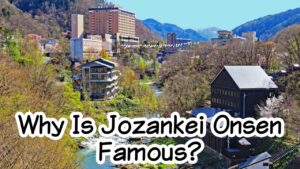
- Jozankei Onsen for relaxing hot springs surrounded by nature.
Whether you’re planning a weekend getaway or a two-week road trip, Sapporo is the perfect starting point.
A City You’ll Want to Return To
Many travelers expect to spend just one or two nights in Sapporo.
Then they discover its welcoming atmosphere, incredible food, and beautiful parks—and end up wishing they had stayed longer.
That’s one of the city’s greatest charms.
Sapporo isn’t simply a place you pass through.
It’s a destination you’ll want to experience again.
Did You Know?
- ❄️ Sapporo is one of the world’s snowiest major cities, receiving around 5 meters (16 feet) of snow each year.
- 🏙️ Unlike many Japanese cities, Sapporo was carefully planned using a modern grid system.
- 🍜 Sapporo is the birthplace of Japan’s famous miso ramen.
- 🎉 The Sapporo Snow Festival began with just six snow statues made by local high school students.
- 🌲 About 60% of Sapporo’s area is covered by forests and green spaces, making nature an important part of city life.
FAQ
What is Sapporo most famous for?
Sapporo is best known for the Sapporo Snow Festival, miso ramen, fresh seafood, Sapporo Beer, and its beautiful natural surroundings.
How many days should I spend in Sapporo?
Two to three days is enough to explore Sapporo’s main attractions. If you’d like to take day trips to nearby destinations such as Otaru or Jozankei, consider staying for four to five days.
When is the best time to visit Sapporo?
Winter is perfect for snow activities and the Snow Festival, while summer offers pleasant weather, colorful flowers, and outdoor festivals.
Is Sapporo easy to explore without a car?
Yes. Most major attractions are connected by subway, buses, or are within walking distance of the city center.
Is Sapporo family-friendly?
Absolutely. Parks, museums, observation decks, seasonal events, and delicious food make Sapporo an excellent destination for families.
Final Thoughts
Sapporo isn’t famous for just one reason.
It’s famous because it brings together everything that makes Hokkaido special.
A city built with a bold vision.
A place where snowy winters inspire celebration instead of slowing life down.
A destination where rich food, beautiful parks, modern streets, and warm hospitality come together to create unforgettable memories.
As you walk through Odori Park, enjoy a bowl of steaming miso ramen, or admire the sparkling city lights from Mt. Moiwa, you’ll begin to understand why so many people fall in love with Sapporo.
Because once you discover the story behind the city, you won’t just visit Sapporo—
You’ll truly experience it.








コメント