

My name is MAKO
Based in Sapporo, Hokkaido | Born and raised in Obihiro, Hokkaido | Lover of Sapporo Classic beer and fresh sashimi | Passionate about road trips and camping | Always chasing beautiful scenery

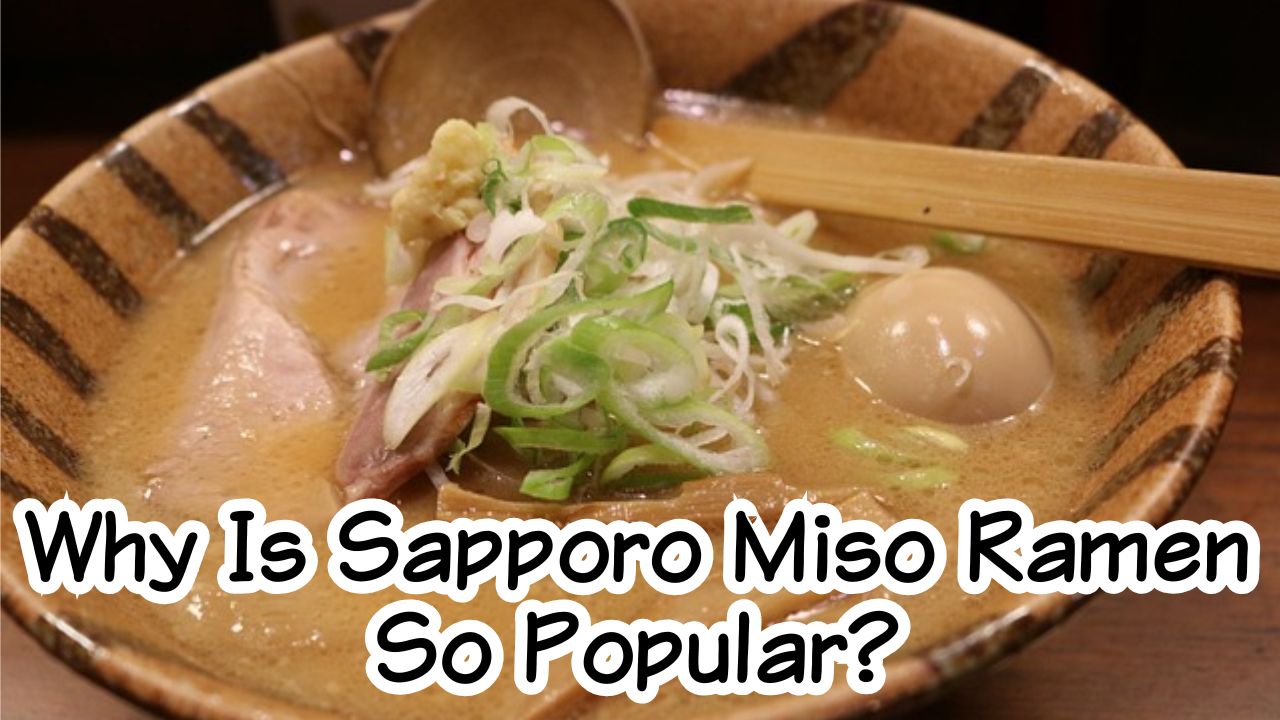
Why Is Sapporo Miso Ramen So Popular?
Sapporo miso ramen became famous because it was created to help people stay warm during Hokkaido’s long, snowy winters.
Its rich miso broth, curly noodles, and local ingredients created a completely new style of ramen that is now loved throughout Japan and around the world.
Why You Should Care
Imagine arriving in Sapporo on a cold winter evening.
Snow quietly covers the streets, and the air is crisp enough to make your cheeks tingle. You step into a small ramen shop, hear the sound of vegetables sizzling in a hot pan, and a steaming bowl is placed in front of you.
At first, it may seem like just another delicious meal. But once you know the story behind Sapporo miso ramen, every spoonful becomes part of Hokkaido’s history.
Understanding its “why” turns an ordinary lunch into one of the most memorable experiences of your trip.
Why Was Sapporo Miso Ramen Created?
Sapporo is one of the snowiest major cities in the world. Winter temperatures often stay below freezing, and heavy snowfall can continue for months.
People living here have always needed warm, filling meals to help them get through the long winter.
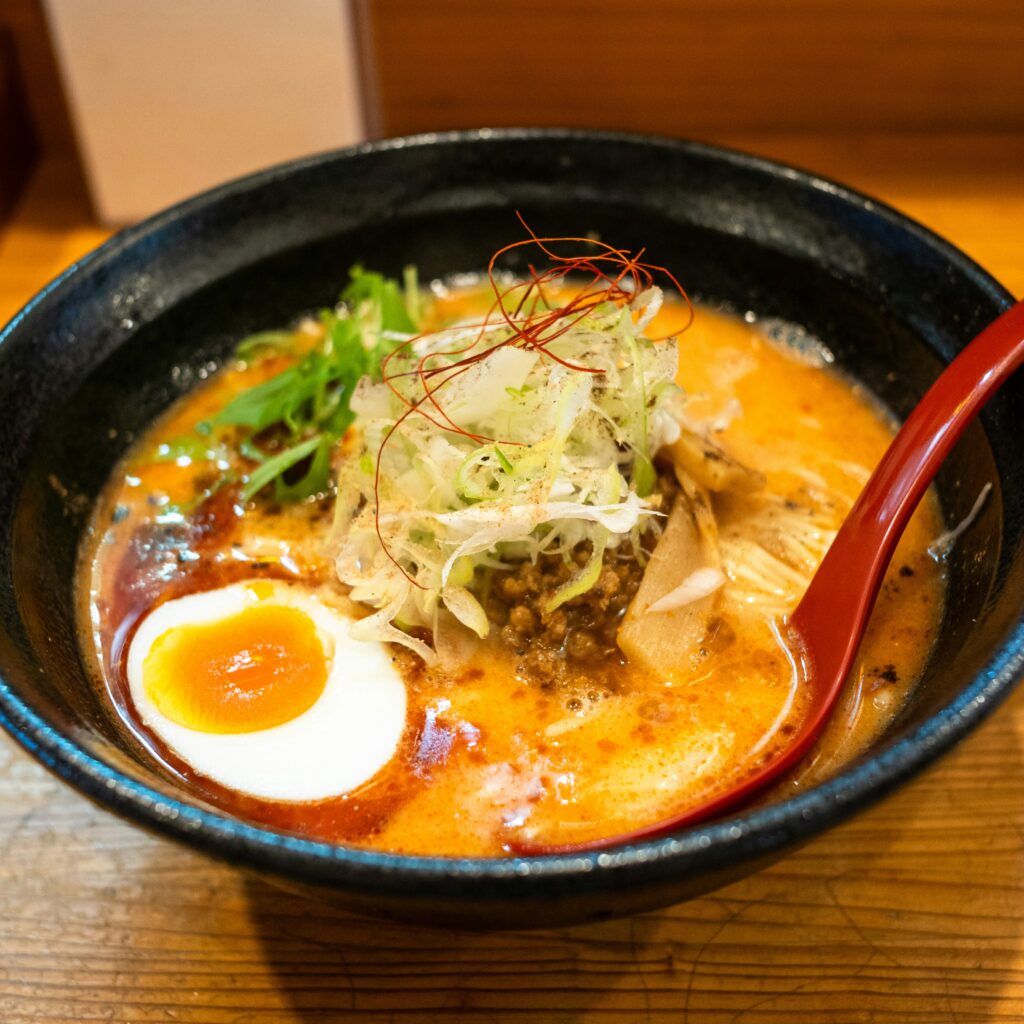
In the years after World War II, ramen shops became popular across Japan.
Most ramen at that time used soy sauce or salt-based soup. While these styles were delicious, chefs in Sapporo believed they could create something even more satisfying for Hokkaido’s harsh climate.
That idea led to one of Japan’s greatest food inventions.
The Birth of Sapporo Miso Ramen
A Small Restaurant Changed Japanese Ramen Forever
The story begins in 1958 at a small restaurant called Aji no Sanpei in downtown Sapporo.
Its owner, Morito Ohmiya, wanted to create a ramen that matched Hokkaido’s cold weather. Instead of using soy sauce, he experimented with miso, a traditional Japanese seasoning made from fermented soybeans.
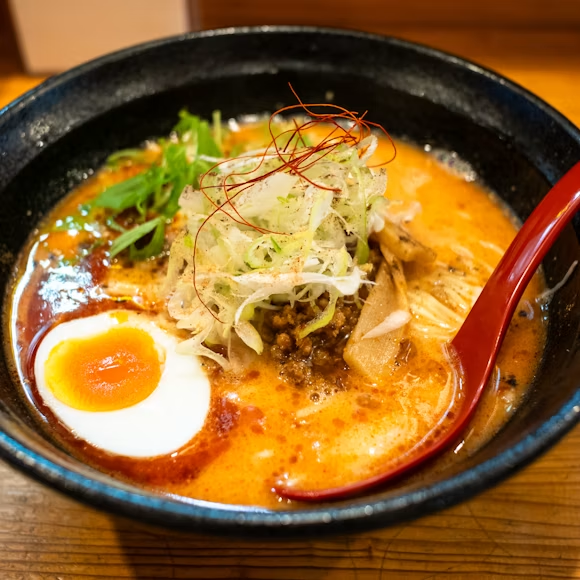
The result was something completely different. The soup was richer, deeper, and stayed hot longer. Customers loved it, and word quickly spread throughout Sapporo.
Today, many people consider Aji no Sanpei to be the birthplace of Sapporo miso ramen.
Why Miso Was the Perfect Choice
Miso is more than just a seasoning. It has been part of Japanese cooking for hundreds of years and is known for its deep, savory flavor known as umami.
For people living in Hokkaido, miso had another advantage. The rich soup stayed warm longer than lighter broths, making it perfect after walking through snowy streets.
Its bold flavor also paired beautifully with garlic, ginger, pork, and vegetables—ingredients that were easy to find in Hokkaido.
What Makes Sapporo Miso Ramen Different?
Many visitors wonder why Sapporo ramen tastes so different from ramen served in Tokyo or other parts of Japan.
The answer isn’t just the miso. It’s the combination of several unique ideas that came together in one bowl.
Curly Noodles Hold More Soup
One of the first things you’ll notice is the noodles.
Unlike the thin, straight noodles found in many other ramen styles, Sapporo ramen usually uses medium-thick curly noodles.
The curls catch the rich miso soup, so every bite is full of flavor.
Stir-Fried Vegetables Create a Richer Flavor
Another unique feature is how the soup is prepared.
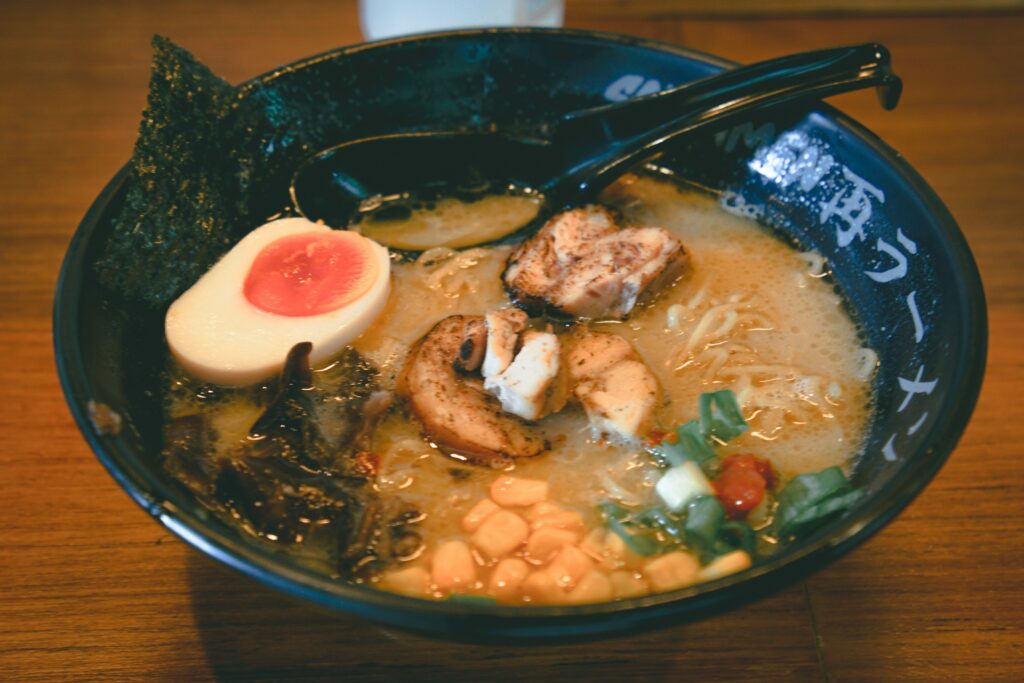
Instead of simply pouring broth over cooked noodles, many Sapporo ramen chefs first stir-fry bean sprouts, onions, cabbage, and pork in a hot wok.
The soup is then added directly to the pan before being poured over the noodles.
This technique gives the broth a deeper flavor and keeps it hotter for longer—a perfect match for Hokkaido’s cold winters.
Butter and Corn Tell the Story of Hokkaido
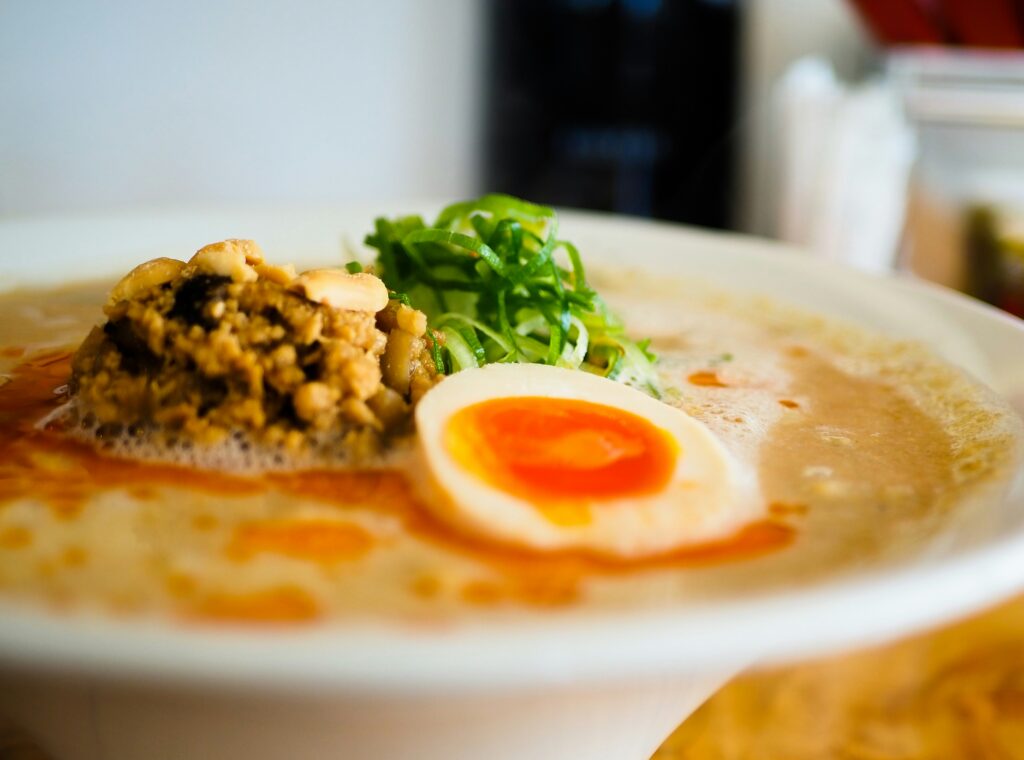
Visitors are often surprised to see a slice of butter floating on top of their ramen.
In many parts of Japan, butter in ramen is unusual. In Hokkaido, however, it makes perfect sense.
Hokkaido is Japan’s largest producer of dairy products and one of its leading agricultural regions. Sweet corn and fresh butter are local specialties, so adding them to ramen became a natural expression of the region’s identity.
As the butter slowly melts into the soup, it creates an even richer and creamier flavor that many visitors remember long after their trip.
Why Is Hokkaido Milk So Delicious?
One of the signature toppings on Sapporo miso ramen is rich Hokkaido butter, which adds a smooth, creamy flavor to the soup.
That delicious butter begins with Hokkaido’s exceptional milk, produced in the island’s cool climate and vast dairy farms. Discover why Hokkaido milk has become the foundation of so many famous local foods.
Read next: Why Is Hokkaido Milk So Delicious? The Story Behind Japan’s Finest Dairy

Why Ramen Alley Became a Must-Visit Spot in Sapporo
The Story of Ganso Sapporo Ramen Yokocho
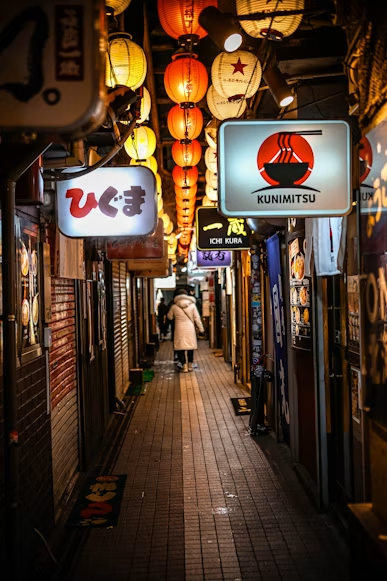
As Sapporo’s miso ramen became more popular, more ramen shops began opening across the city. One small alley in the Susukino district became especially famous.
Today, it is known as Ganso Sapporo Ramen Yokocho, or “Original Sapporo Ramen Alley.”
The alley dates back to 1951, before miso ramen was even invented. At first, it was simply a narrow street lined with small ramen shops. After miso ramen became famous, visitors from across Japan—and eventually from around the world—came here to taste the city’s signature dish.
Walking through the alley today feels like stepping into a living piece of Sapporo’s food history. The signs glow brightly, the smell of simmering broth fills the air, and every shop has its own unique recipe.
Every Shop Has Its Own Secret Recipe
One of the best things about eating ramen in Sapporo is that no two bowls are exactly the same.
Some restaurants make their soup rich and creamy.
Others create a lighter broth that lets the flavor of the miso stand out.
You may notice differences in:
- The type of miso used
- The richness of the soup
- The thickness of the noodles
- The toppings
- The amount of garlic or ginger
Trying different ramen shops is part of the fun. Many locals even have their own favorite restaurant, and friendly debates about the “best ramen in Sapporo” are common.
More Than a Meal—A Taste of Hokkaido’s Identity
Sapporo miso ramen is more than delicious food.
It reflects Hokkaido’s climate, agriculture, history, and creativity.
The rich soup was inspired by snowy winters.
The butter and corn represent Hokkaido’s farms.
The curly noodles were designed to hold more soup.
Even the cooking method shows the practical wisdom of people who wanted to serve a hotter meal during freezing weather.
This is why a simple bowl of ramen tells the story of an entire region.
Best Miso Ramen Restaurants in Sapporo
Sapporo is home to countless ramen shops, but if you’re looking for an authentic bowl of miso ramen, these three restaurants are excellent choices.
Each offers its own unique take on Sapporo’s most famous dish and is loved by both locals and visitors.
Shingen Minami 6-jo Branch
Shingen is one of Sapporo’s most famous ramen restaurants. Its rich yet smooth miso broth has earned a loyal following, making it a must-visit for anyone trying authentic Sapporo miso ramen.
Recommended Points
- Rich and flavorful miso broth with a smooth finish
- One of Sapporo’s most popular ramen restaurants
- Frequently ranked among Hokkaido’s top ramen shops
Address
8-8-2 Minami 6-jo Nishi, Chuo-ku, Sapporo(https://maps.app.goo.gl/JcYUYy7UX7xKshde7)
Sapporo Ramen Haruka
Located in the famous Ganso Sapporo Ramen Yokocho, Haruka is a favorite among both locals and international travelers.
It serves authentic Sapporo-style miso ramen in the heart of Susukino, making it an easy stop while sightseeing.
Recommended Points
- Located inside the famous Ramen Yokocho
- Excellent reviews from international visitors
- Easy to visit while exploring Susukino
Address
Ganso Sapporo Ramen Yokocho, Minami 5-jo Nishi 3-chome, Chuo-ku, Sapporo(https://maps.app.goo.gl/j3AJWBPZd5XR6iwNA)
Teshikaga Ramen – Sapporo Ramen Yokocho Branch
Teshikaga Ramen combines premium Hokkaido ingredients with traditional Sapporo ramen techniques.
Located in the historic Ramen Yokocho, it’s a great place to enjoy both delicious ramen and the lively atmosphere of one of Sapporo’s most famous food destinations.
Recommended Points
- Made with carefully selected Hokkaido ingredients
- Located in the iconic Ramen Yokocho
- Rich and satisfying miso ramen with a modern touch
Address
Ganso Sapporo Ramen Yokocho, Minami 5-jo Nishi 3-chome, Chuo-ku(https://maps.app.goo.gl/SvsnZyCr6kGXKasv7)
Saimi
Saimi is one of Sapporo’s most famous miso ramen restaurants. Its rich miso broth, chewy curly noodles, and refreshing touch of grated ginger create a perfectly balanced bowl. It’s a favorite among both locals and visitors, so expect a line—but it’s well worth the wait.
Recommended Points
- One of Sapporo’s most popular miso ramen shops
- Rich and well-balanced miso broth
- Fresh grated ginger adds a refreshing flavor
- Loved by both locals and tourists
Address
5-3-12 Misono 10-jo, Toyohira-ku, Sapporo, Hokkaido(https://maps.app.goo.gl/fdRGwusrBRqkYYaB9)
Take the Taste of Sapporo Home
If you fall in love with Sapporo miso ramen, you don’t have to leave it behind.
You can find a wide variety of boxed miso ramen at supermarkets, souvenir shops throughout Sapporo, and New Chitose Airport. Many products are made by famous ramen restaurants or local Hokkaido manufacturers, making them perfect souvenirs for family and friends—or a delicious reminder of your trip.
Why Is New Chitose Airport So Famous?
Before flying home, take some time to explore New Chitose Airport. It’s one of Japan’s best airports for shopping, dining, and finding Hokkaido souvenirs—including a great selection of Sapporo miso ramen.
Read next: Why Is New Chitose Airport So Famous? The Story Behind Hokkaido’s Gateway to Adventure

Did You Know?
- 🍜 Sapporo is widely recognized as the birthplace of miso ramen.
- ❄️ Miso ramen was developed to suit Hokkaido’s cold winters.
- 🌽 Butter and sweet corn became famous toppings because Hokkaido is one of Japan’s leading dairy and agricultural regions.
- 🍥 Curly noodles were chosen because they hold more rich soup than straight noodles.
- 🏮 Ganso Sapporo Ramen Yokocho has welcomed ramen lovers for over 70 years.
FAQ
Is Sapporo miso ramen spicy?
Usually not. Traditional Sapporo miso ramen has a rich and savory flavor rather than a spicy one. Some restaurants also offer spicy versions.
Where can I eat authentic Sapporo miso ramen?
You can find excellent ramen throughout Sapporo, especially around Susukino, Sapporo Station, and Ganso Sapporo Ramen Yokocho.
Why does Sapporo ramen have butter and corn?
Hokkaido is famous for dairy farming and sweet corn. These local ingredients naturally became popular toppings for miso ramen.
What makes Sapporo ramen different from Tokyo ramen?
Tokyo ramen is usually based on soy sauce with thinner noodles. Sapporo ramen is known for its rich miso broth, curly noodles, stir-fried vegetables, butter, and corn.
Can I find vegetarian miso ramen?
Some ramen shops offer vegetarian options, but traditional Sapporo ramen usually contains pork broth. It’s a good idea to check the menu before visiting.
Final Thoughts
Before visiting Sapporo, you might think miso ramen is simply another local specialty.
But now you know that every bowl tells a much bigger story.
It tells the story of a city built in one of Japan’s coldest regions.
It tells the story of chefs who experimented with new flavors to create comfort during long winters.
It tells the story of local farms, hardworking people, and a food culture that continues to evolve while honoring its roots.
So when you finally sit down in a small ramen shop in Sapporo, take a moment before your first bite.
Look at the steam rising from the bowl.
Notice the rich aroma of miso.
Listen to the sounds of the busy kitchen.
You’re not just eating ramen.
You’re experiencing one of Hokkaido’s most delicious stories.







コメント