
My name is MAKO
Based in Sapporo, Hokkaido | Born and raised in Obihiro, Hokkaido | Lover of Sapporo Classic beer and fresh sashimi | Passionate about road trips and camping | Always chasing beautiful scenery
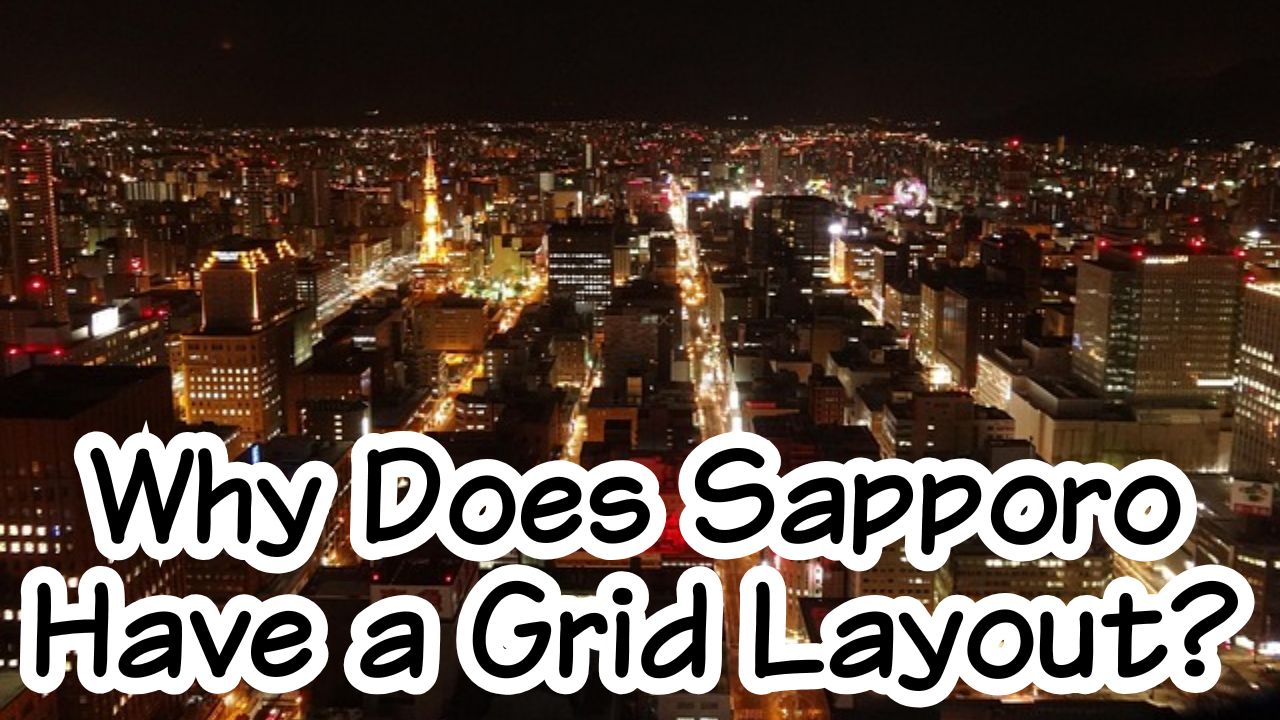
Why Does Sapporo Have a Grid Layout?
Sapporo has a grid layout because it was carefully planned during Japan’s Meiji Era.
Inspired by modern Western city planning, its wide streets and numbered blocks made the growing city easier to build, navigate, and expand.

Why You Should Care
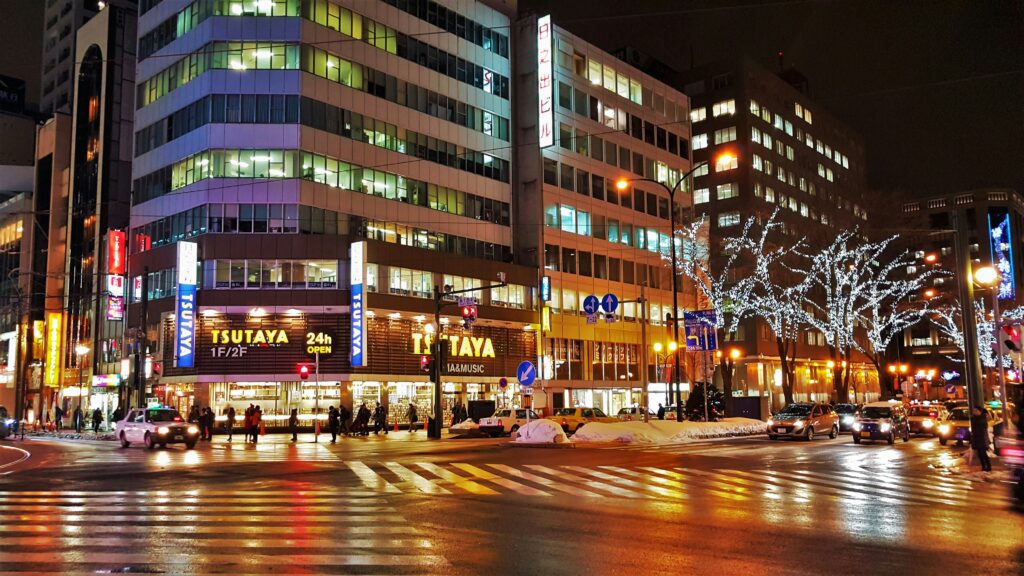
If you’ve ever walked around Sapporo, you may have noticed something unusual.
Unlike many Japanese cities with winding streets and confusing alleyways, Sapporo feels organized and surprisingly easy to navigate.
That’s no accident.
The city’s famous grid layout was carefully designed more than 150 years ago, and it continues to shape how people experience Sapporo today.
Once you understand the story behind the city’s design, every intersection becomes part of Hokkaido’s remarkable history.
Why Was Sapporo Planned Instead of Growing Naturally?
Many cities develop gradually over hundreds or even thousands of years.
Roads follow rivers.
Buildings appear around castles or temples.
Streets become narrow as the city expands little by little.
Sapporo followed a completely different path.
It was designed before much of the city even existed.
A New Capital for Hokkaido
In the late 1800s, during the Meiji Era, the Japanese government began developing Hokkaido more actively.
Rather than expanding an existing town, officials decided to build a new administrative center in the Ishikari Plain.
That new city would become Sapporo.
From the beginning, it was intended to be modern, efficient, and prepared for future growth.
Building a Modern City from Scratch
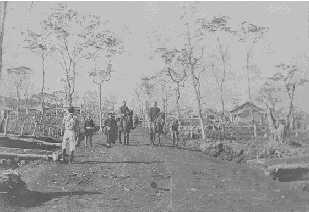
Because there was very little existing urban development, planners had a rare opportunity.
They could design the streets before constructing the buildings.
Instead of narrow, winding roads, they created straight avenues that crossed at right angles.
This made transportation, construction, and future expansion much easier.
It also gave Sapporo a clean, organized appearance that remains one of its defining characteristics today.
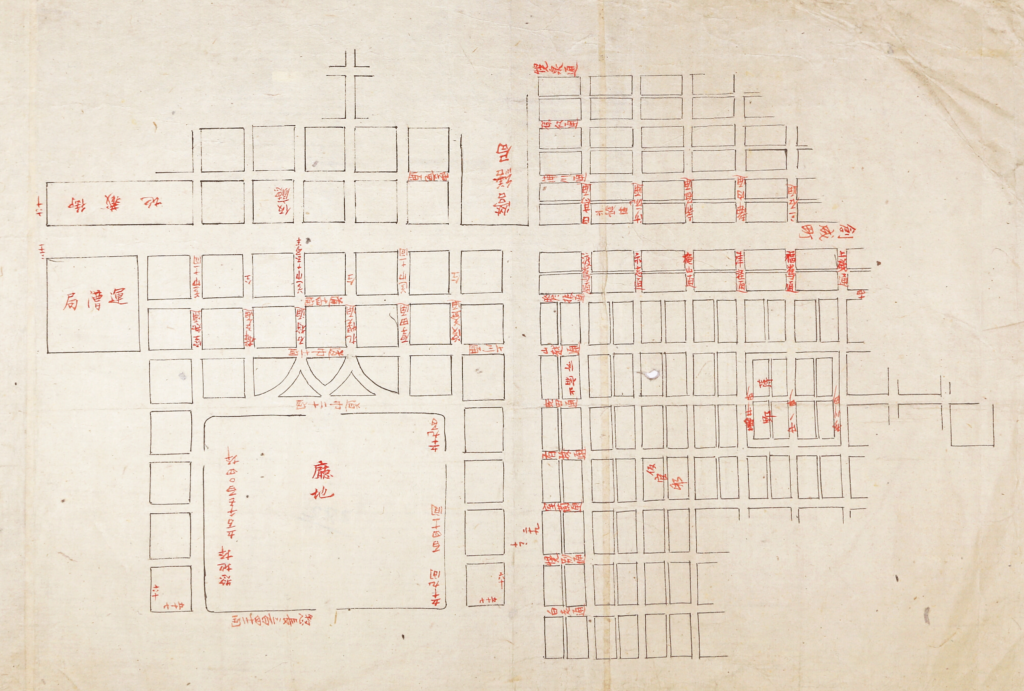
Western Ideas Helped Shape Sapporo
Sapporo’s design reflected Japan’s desire to modernize during the Meiji Era.
Government leaders studied city planning from Europe and North America, where many newer cities were already using grid systems.
These ideas influenced the design of Sapporo.
The result was a city unlike almost any other in Japan.
Inspiration from Overseas
One of the key figures in Hokkaido’s development was Horace Capron, an American advisor invited by the Japanese government.
While Capron did not personally design Sapporo’s street grid, the broader development of Hokkaido was influenced by American agricultural and urban planning ideas introduced during this period.
Japanese engineers and planners adapted these concepts to local conditions, creating a city that was both practical and uniquely suited to Hokkaido.
Why Are Sapporo’s Streets Numbered?
One of the first things many visitors notice is the city’s unusual address system.
Instead of relying mainly on street names, Sapporo uses numbers.
This system makes navigation surprisingly simple.
Finding Your Way Is Easier Than You Think
The intersection of Odori Park and the area around the former Hokkaido Government Office became the city’s central reference point.
From there:
- Streets are numbered North and South.
- Blocks are numbered East and West.
- The farther you move from the center, the higher the numbers become.
For example, an address like North 3, West 5 tells you almost exactly where a place is located.
Many first-time visitors are surprised by how quickly they become comfortable navigating the city.
A City Designed for the Future
The planners of Sapporo weren’t just thinking about the present.
They knew the city would continue to grow.
Wide roads made transportation easier.
Large city blocks allowed for future development.
Parks and public spaces were included from the very beginning.
More than 150 years later, their vision continues to benefit both residents and visitors.
Sapporo Is Still Building Its Future
From the very beginning, Sapporo was built with the future in mind. Wide streets, an organized grid layout, and carefully planned public spaces were all designed to support a growing city.
More than 150 years later, that vision continues.
As of 2026, the area around Sapporo Station is undergoing one of the largest redevelopment projects in Hokkaido, transforming the city’s main gateway with new commercial, office, and public spaces.
At the same time, construction of the Hokkaido Shinkansen extension is progressing, preparing Sapporo to become the northern terminus of Japan’s high-speed rail network.
Although the project has faced delays, construction is continuing and is expected to play a major role in the city’s future.
These projects show that Sapporo is not only proud of its history as a planned city—it is still planning for the next generation.
Odori Park—The City’s Green Spine
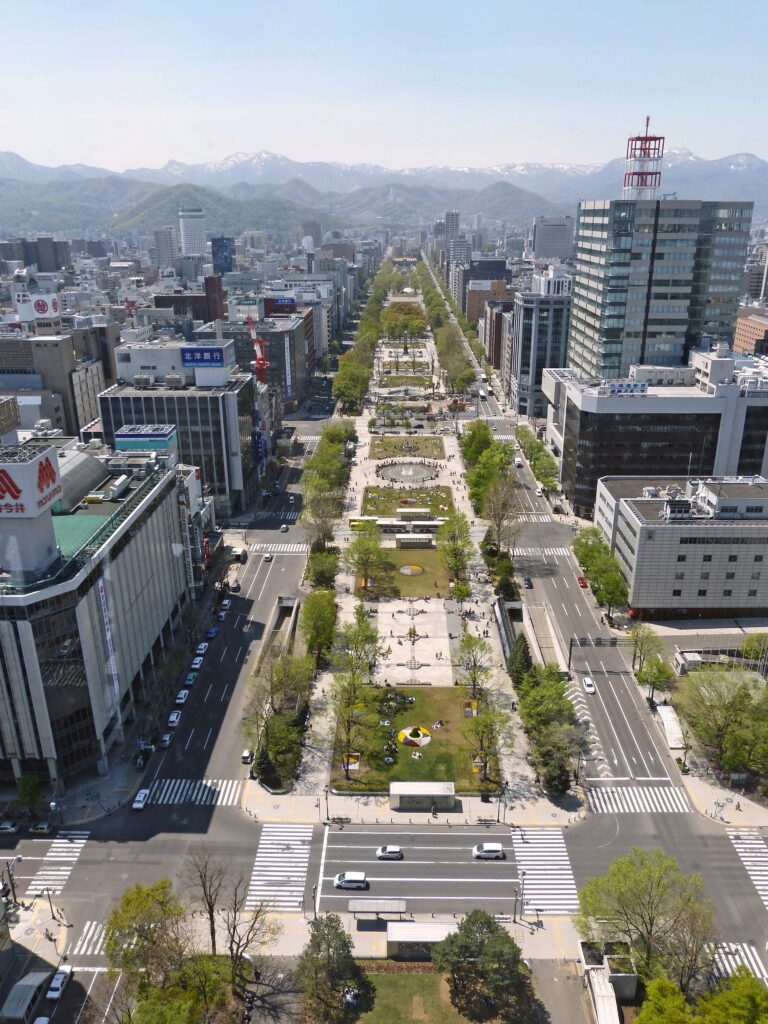
Perhaps the best example of Sapporo’s thoughtful planning is Odori Park.
Running east to west through the heart of the city, it serves as both a beautiful green space and a practical firebreak—a wide open area designed to help prevent fires from spreading in the growing city.
Today, Odori Park is the setting for many of Sapporo’s best-known events, including the famous Sapporo Snow Festival.
What was once an important safety feature has become one of the city’s most beloved gathering places.
Why Is Odori Park in the Middle of Sapporo?
Sapporo’s grid layout is closely connected to Odori Park, the city’s famous green space that stretches through the heart of downtown. Originally built as a firebreak during the city’s early development, it has grown into one of Sapporo’s most beloved landmarks. Discover the fascinating story behind the park that helped shape the city.
Read next: Why Is Odori Park in the Middle of Sapporo? The Surprising Story Behind the City’s Green Heart
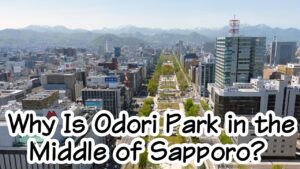
Why You Should Explore Sapporo on Foot
One of the best ways to experience Sapporo is simply by walking.
Unlike many Japanese cities, where narrow streets and winding alleys can make navigation challenging, Sapporo’s wide avenues and organized grid make exploring surprisingly easy.
Even first-time visitors often find themselves walking confidently from one attraction to another.
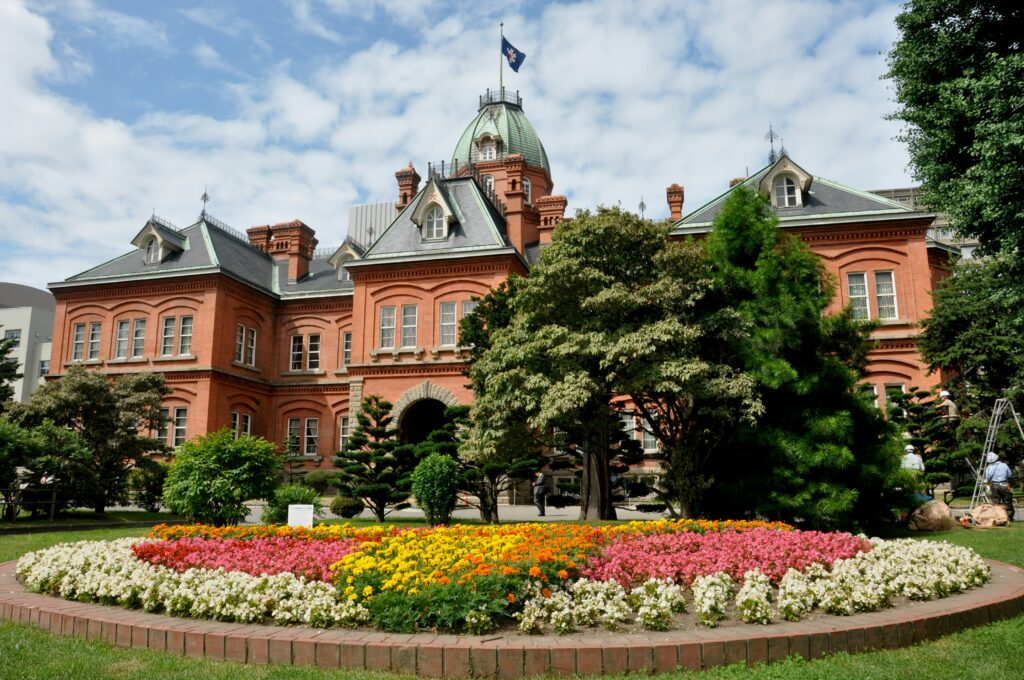
Major Attractions Are Connected
Many of Sapporo’s most popular attractions are located within walking distance of one another.
For example, you can easily explore:
- 🌳 Odori Park
- 🗼 Sapporo TV Tower
- 🕰️ Sapporo Clock Tower
- 🏛️ Former Hokkaido Government Office (Red Brick Office)
- 🛍️ Tanukikoji Shopping Street
- 🌃 Susukino
Because of the city’s thoughtful design, moving between these landmarks feels natural and stress-free.
Why Is the Sapporo Clock Tower So Famous?
Just a short walk from Odori Park, the Sapporo Clock Tower is one of the city’s most iconic landmarks. While it may look simple at first glance, its history tells the story of Hokkaido’s early development. Discover why this historic building has become a symbol of Sapporo.
👉 Read next: Why Is Sapporo Clock Tower So Famous? The Story Behind Hokkaido’s Most Historic Landmark

Easy Navigation Makes Traveling More Enjoyable
The numbered address system isn’t just convenient for local residents.
It also helps visitors.
Once you understand how North, South, East, and West are organized, reading maps becomes much easier.
Instead of feeling lost, you can spend more time enjoying cafés, parks, museums, and local restaurants.
Many travelers say that Sapporo is one of the easiest cities to explore in Japan.
Did You Know?
- 🧭 Sapporo is one of the few major Japanese cities built using a planned grid system.
- 🏙️ The city’s numbered address system helps both residents and visitors find locations more easily.
- 🌳 Odori Park was originally designed as a firebreak to help prevent large fires from spreading through the growing city.
- 🚶 Many of Sapporo’s top attractions are within a comfortable walking distance of each other.
- 📍 Once you understand the city’s layout, you can often estimate where an address is located without using GPS.
FAQ
Why are Sapporo’s streets so straight?
Sapporo was carefully planned during the Meiji Era using a grid layout, making transportation and future development more efficient.
Is Sapporo easier to navigate than other Japanese cities?
Many visitors think so. Its wide streets, logical layout, and numbered address system make it one of Japan’s most visitor-friendly cities.
Why doesn’t Sapporo use street names like many Western cities?
Most Japanese cities rely on districts and block numbers instead of street names. Sapporo’s numbered grid makes this system especially easy to understand.
Can I walk to most attractions?
Yes. Many of Sapporo’s famous attractions are located in the city center and are easily reached on foot.
When is the best season to walk around Sapporo?
Every season offers a different experience. Spring and autumn provide pleasant weather, summer features festivals and outdoor cafés, and winter transforms the city into a snowy wonderland.
Visit It Yourself
Location
Central Sapporo, Hokkaido, Japan(https://maps.app.goo.gl/Fy9cWCAKJs2JWHn97)
Best Season
Year-round. Spring, autumn, and winter are especially enjoyable for walking.
How to Get There
Sapporo Station is about 40 minutes by JR Rapid Airport train from New Chitose Airport. Most major attractions are within walking distance of the station or Odori Park.
Estimated Visit Time
One full day for the city center, or two to three days to explore Sapporo more fully.
Admission Fee
Exploring the city is free. Individual attractions may charge admission.
Official Website
- Sapporo Official Tourism Website(https://www.sapporo.travel/)
- Hokkaido Official Tourism Website(https://www.visit-hokkaido.jp/)
Please check the official website for the latest information.
Final Thoughts
At first glance, Sapporo’s straight streets may seem ordinary.
But behind every intersection lies a carefully planned vision for the future.
More than 150 years ago, city planners imagined a modern capital that would be easy to build, easy to navigate, and ready to grow.
Today, that vision still shapes every journey through the city.
As you walk along the wide avenues, relax in Odori Park, or use the numbered streets to find your next destination, you’re experiencing a city that was designed with purpose from the very beginning.
That’s one of the reasons Sapporo feels different from anywhere else in Japan.
It isn’t just a city that grew over time.
It’s a city that was imagined first—and then carefully brought to life.
Because every city has a story. And every story begins with a “Why?”








コメント