

My name is MAKO
Based in Sapporo, Hokkaido | Born and raised in Obihiro, Hokkaido | Lover of Sapporo Classic beer and fresh sashimi | Passionate about road trips and camping | Always chasing beautiful scenery
Why Is Nemuro Famous for Escalope?The Short Answer
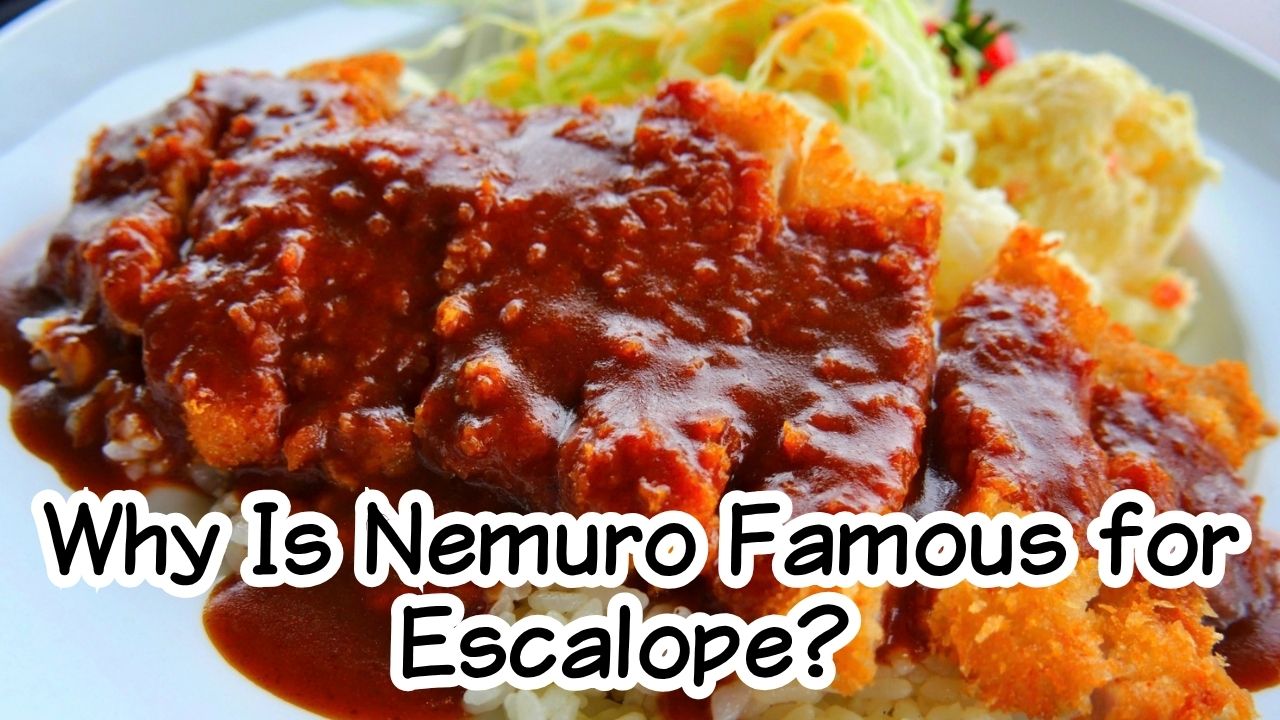
Escalope was created in 1963 at a Nemuro coffee shop called Mont Blanc. Inspired by a dish called escaloppini served in Tokyo, it evolved into a local one-plate meal of thin pork cutlet, flavored rice, and demi-glace sauce.
It sounds European, looks like classic Japanese yoshoku Western-style food, and was born in one of Japan’s easternmost cities.

Why You Should Care
Nemuro is a fishing city.
So when travelers arrive, they naturally think about seafood.
Crab.
Salmon.
Sanma.
Fresh sashimi.
And then someone tells you:
“You should eat the pork cutlet with butter rice.”
That dish is Escalope.
It may seem completely unrelated to Nemuro’s fishing culture, but its story is actually connected to the city’s working life. Official tourism materials explain that the dish developed as a filling meal that could be eaten quickly by busy fishermen.
That is what makes Escalope so interesting.
It is not an old ceremonial dish.
It is a practical meal that became a local identity.
The Story Behind Nemuro Escalope
What Exactly Is Nemuro Escalope?
The classic version is simple:
- flavored butter rice
- a thin breaded pork cutlet
- rich demi-glace sauce
- a small salad on the side
Many versions also include chopped bamboo shoots in the rice, although ingredients and seasoning differ from restaurant to restaurant.
Think of it as a combination of Japanese curry-shop comfort food, tonkatsu, and old-fashioned Western-style restaurant cooking.
But without curry.
The demi-glace sauce is what gives Escalope its distinctive character.
Where Was Escalope Invented?
The story begins in 1963.
According to the Nemuro Tourism Association, Escalope was created at a local coffee shop called Mont Blanc. The inspiration came from escaloppini, a dish that had been served in Tokyo.
The idea was adapted to local tastes.
Thin pork.
Rice.
A rich sauce.
Everything on one plate.
That combination became the Nemuro dish travelers know today.
Why Is It Called “Escalope”?
This is where things get a little complicated.
The English culinary word escalope refers to a thin, boneless slice of meat. The word itself came into English through French culinary language.
Nemuro tourism materials also explain that the local name is associated with the idea of thinly sliced meat, while noting a theory that the name came through an Italian-style dish.
So it is best not to claim one perfectly documented linguistic path.
What is clear is that the name fits the dish very well:
the pork cutlet is thin.
And that is one of the reasons Escalope can be eaten more quickly than a thick restaurant-style pork cutlet.
Was the Original Escalope the Same as Today’s Version?
Not exactly.
The Nemuro Tourism Association says an early version using ketchup-flavored rice also existed.
Over time, however, the butter-rice style became the main version.
That tells us something important.
Escalope was not created once and then frozen forever.
It evolved.
Different restaurants continued making their own versions, changing the rice, sauce, ingredients, and balance slightly.
Today, that variation is part of the fun.
Why Was Escalope Perfect for a Fishing City?
Nemuro developed as an important fishing city facing both the Pacific Ocean and the Sea of Okhotsk. Hokkaido government materials describe it as a city that grew as a center of northern fisheries.
Fishing work can mean long hours and irregular schedules.
Official tourism materials describe Escalope as a dish designed so fishermen could eat something quickly and still get a satisfying amount of food.
That helps explain the one-plate design.
Rice for energy.
Pork for substance.
Sauce for richness.
Salad on the same plate.
No complicated courses.
It was practical food.
And practical food often becomes comfort food.
Why Is the Pork Cutlet So Thin?
A thick tonkatsu can take time to cook.
Escalope uses a thinner cut.
That creates several advantages:
it cooks quickly,
it is easy to cut with a fork,
and it gives you pork, rice, and sauce in the same bite.
The thin cutlet also connects back to the meaning of the word “escalope.”
What looks like a small detail is actually central to the dish.
What Makes the Butter Rice Special?
Escalope is not simply tonkatsu placed on plain white rice.
The rice itself has flavor.
The Nemuro Tourism Association describes the classic dish as using butter rice, often with ingredients such as chopped bamboo shoots. Other official descriptions note that rice ingredients and seasoning can differ by shop.
The buttery rice softens the sharpness of the demi-glace sauce.
Then the cutlet adds crunch.
It is a simple combination, but every layer has a job.
Why Is Demi-Glace Sauce So Important?
Without demi-glace, it would simply feel like another pork cutlet rice dish.
The sauce gives Escalope its old-fashioned yoshoku character.
Yoshoku means Japanese food inspired by Western cooking.
During the modern era, Japanese cooks adapted European-style dishes to Japanese ingredients, rice, and eating habits.
Escalope fits perfectly into that tradition.
It sounds European.
But the final dish is unmistakably Japanese.
And more specifically,
unmistakably Nemuro.
What Happened to the Original Mont Blanc Flavor?
Today, ニューモンブラン says it continues the taste of the original Mont Blanc and serves what it calls the original-style Escalope. The Nemuro Tourism Association lists its Escalope at ¥1,000 as of October 2026.
That makes it an interesting stop if you want to connect your meal with the history of the dish.
Another famous choice is どりあん, established in 1969. Its Escalope is currently listed at ¥1,180, and it has long been one of the best-known places associated with the dish.
This is one of the best things about Escalope:
there is no need to stop after one plate.
Does Every Restaurant Make Escalope the Same Way?
No.
And that is exactly why eating it in Nemuro is fun.
The tourism association notes that the flavor of the rice and the sauce varies by restaurant.
One sauce may be sweeter.
Another may be darker and richer.
The rice may contain different ingredients.
The cutlet thickness may change.
Some restaurants even create their own larger or more elaborate versions.
So instead of asking:
“Which one is the real Escalope?”
a better question may be:
“Which Nemuro Escalope do I like best?”
Do Locals Really Call It “Esca”?
Yes.
Nemuro’s official Escalope map encourages visitors to order it by the local shortened name:
“Esca.”
It is a tiny detail, but it tells you how familiar the dish has become.
Long names get shortened when people use them often.
Escalope became “Esca” because it stopped feeling foreign.
It became local.
Is Escalope Still Part of Nemuro Life Today?
Absolutely.
Nemuro City itself refers to Escalope as a local soul food, and city projects continue promoting it as part of Nemuro’s identity.
It is also listed by Hokkaido tourism projects as a representative gastronomic product of the Kushiro–Nemuro region.
What began as one coffee-shop menu item in 1963 is now something travelers actively come to Nemuro to eat.
That is a remarkable journey for a plate of pork, rice, and sauce.
Why Does Nemuro Have So Many Unique One-Plate Dishes?
Escalope is not alone.
Nemuro also has local Western-style dishes such as:
Oriental Rice
and
Stamina Rice.
Oriental Rice combines lightly curry-flavored rice with beef and a special sauce.
Stamina Rice combines rice, pork cutlet, Chinese-style stir-fried vegetables, and egg.
This gives Nemuro a surprisingly strong culture of filling one-plate meals.
For travelers expecting only seafood from a fishing city, that is a wonderful surprise.
Planning to Try Escalope? Allow Plenty of Travel Time!
If you’re planning to visit Nemuro to try its famous escalope, there’s one important thing to remember: Hokkaido is much bigger than you might think!
Nemuro is located in eastern Hokkaido, far from Sapporo and New Chitose Airport.
Driving from Sapporo or New Chitose Airport to Nemuro can take around 6–7 hours or more, depending on traffic, weather, and road conditions.
That’s why I highly recommend planning a relaxed itinerary rather than trying to rush through your trip.
Take your time, enjoy the beautiful scenery along the way, and consider staying overnight in eastern Hokkaido.
After all, a trip to Nemuro is about more than just delicious escalope—it’s also an opportunity to discover Hokkaido’s incredible landscapes!
Why Is Driving the Best Way to Explore Hokkaido?
Hokkaido is famous for its wide-open roads, breathtaking scenery, and beautiful destinations spread across the island.
But why is renting a car one of the best ways to explore this vast region?
Discover the freedom and excitement of a Hokkaido road trip!
Read next: Why Is Driving the Best Way to Explore Hokkaido? The Freedom Behind Japan’s Greatest Road Trip

Did You Know?
- Escalope was created in Nemuro in 1963 at a coffee shop called Mont Blanc.
- Early Escalope also had a ketchup-rice version, but butter rice later became the main style.
- “Escalope” is a culinary word associated with a thin slice of boneless meat.
- Nemuro tourism materials say the dish was designed to give busy fishermen a quick and filling meal.
- Locals often shorten Escalope to “Esca.”
FAQ
Is Nemuro Escalope French Food?
No.
Its name has European culinary roots, but Nemuro Escalope itself is a Japanese yoshoku dish created in Hokkaido.
Does Escalope Contain Seafood?
The classic version does not.
It is usually made with pork cutlet, flavored rice, demi-glace sauce, and salad.
That is part of what makes it surprising in a city famous for seafood.
Is Escalope the Same as Tonkatsu?
Not quite.
Both use breaded pork cutlet, but Escalope uses a relatively thin cutlet served directly on flavored rice and covered with demi-glace sauce.
Where Should I Try Escalope First?
For a connection to the original Mont Blanc tradition, ニューモンブラン is an obvious choice.
For another long-established and widely known version, どりあん is also a popular option.
Can I Eat Escalope All Year?
Yes.
It is an everyday local dish rather than a seasonal food.
Visit It Yourself
For a first visit, どりあん is convenient and has clear current visitor information.
Location
2-9 Tokiwa-cho, Nemuro, Hokkaido
The restaurant is in central Nemuro.
Best Season
Year-round
Escalope is available throughout the year.
If you are already traveling to Nemuro for summer wildlife, autumn seafood, or the dramatic winter coast, it is an easy local meal to add to the trip.
How to Get There
The restaurant is approximately a 7-minute walk from JR Nemuro Station.
Estimated Visit Time
30–60 minutes
Allow a little longer during busy lunch periods.
Admission Fee
There is no admission fee.
As of October 2026:
Escalope: ¥1,180
Opening Hours
Current listed hours:
10:00 a.m.–8:00 p.m.
Last order: 7:30 p.m.
Closed Tuesdays, although holiday schedules may differ.
Please check the official website for the latest information.
Another Historic Option
ニューモンブラン is near JR Nemuro Station and continues the flavor tradition of the original Mont Blanc.
The Nemuro Tourism Association currently lists its Escalope at ¥1,000.
Final Thoughts
Why is Nemuro famous for Escalope?
It began with an idea from far away.
A European-sounding food name.
A dish seen in Tokyo.
Then it reached a small coffee shop in eastern Hokkaido.
The cooks changed it.
Thin pork became a cutlet.
Rice became part of the plate.
Demi-glace covered everything.
The dish became quick enough for busy workers and filling enough for hungry fishermen.
People kept ordering it.
Other restaurants made their own versions.
The name became shorter.
Escalope became Esca.
And after more than 60 years, something that once sounded foreign became one of Nemuro’s most familiar foods.
That is the best part of the story.
Escalope is not famous because it remained European.
It is famous because Nemuro made it its own.







コメント