

My name is MAKO
Based in Sapporo, Hokkaido | Born and raised in Obihiro, Hokkaido | Lover of Sapporo Classic beer and fresh sashimi | Passionate about road trips and camping | Always chasing beautiful scenery
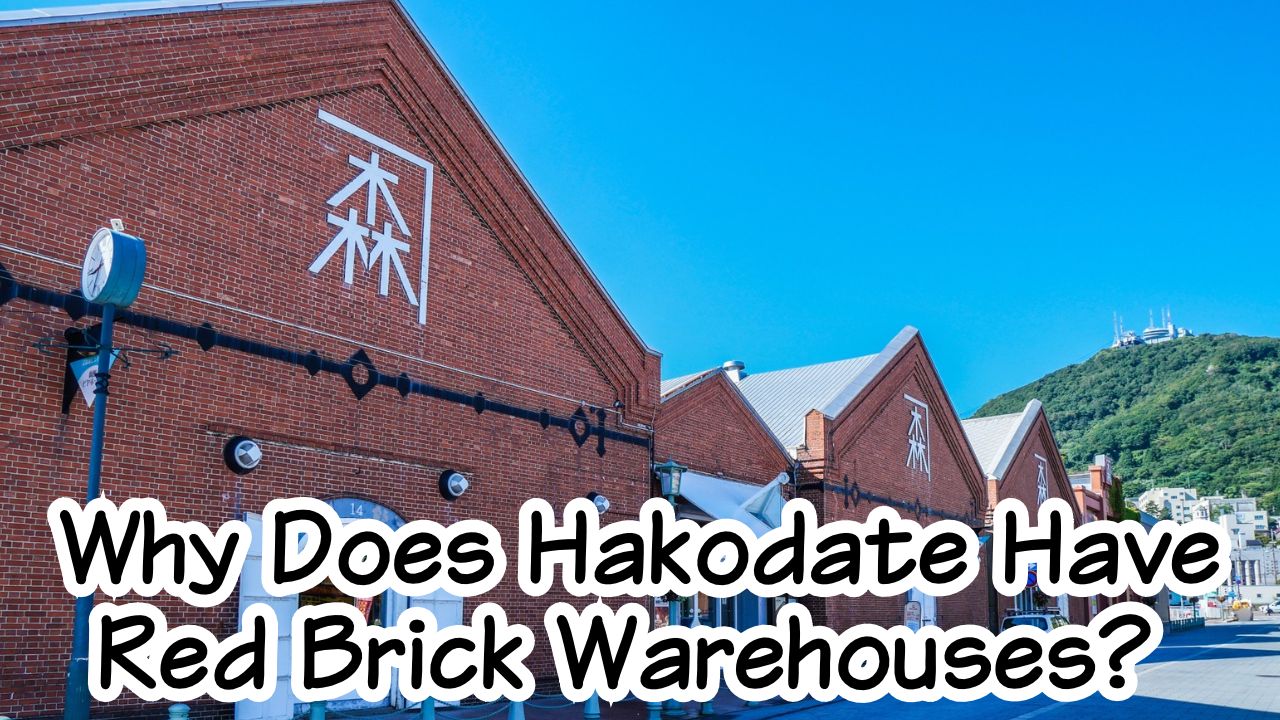
Why Does Hakodate Have Red Brick Warehouses?The Short Answer
Hakodate’s red brick warehouses were built to store goods when the city was a busy international trading port.
The famous Kanemori warehouses began operating in 1887, were destroyed by a major fire in 1907, and were rebuilt in 1909.
Today, these historic buildings have been transformed into a popular shopping and dining destination, preserving an important part of Hakodate’s past.

Why You Should Care — Discover the History Behind Hakodate’s Beautiful Waterfront
Imagine walking along Hakodate’s harbor on a sunny afternoon.
Red brick buildings line the waterfront. Seagulls fly overhead, and the salty sea breeze fills the air.
You stop at a small shop, buy a local souvenir, and enjoy a sweet treat while looking out toward the harbor.
It feels like a charming place to spend an afternoon.
But here’s something you might not realize.
The same buildings once stored seafood, rice, and other goods that helped support Hakodate’s growing economy.
They also survived as part of a city rebuilt after a terrible disaster.
Knowing this story makes the old brick walls much more than a beautiful background for travel photos.
They become a reminder of how Hakodate grew, struggled, and found new life.
The Story Behind It — The Fascinating History of Hakodate’s Red Brick Warehouses
Why Did Hakodate Become One of Japan’s First International Trading Ports?
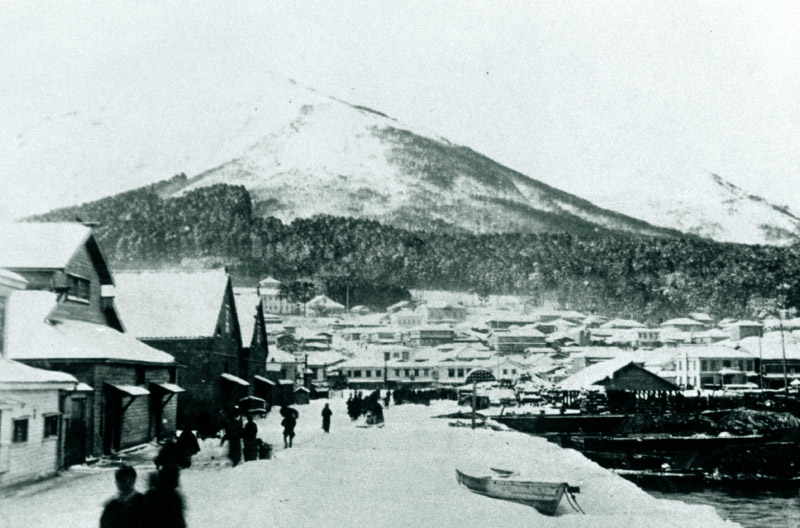
To understand the red brick warehouses, we first need to go back to the 19th century.
In 1859, Hakodate became one of Japan’s first international trading ports, alongside Yokohama and Nagasaki.
Ships and merchants from countries such as the United States, Britain, and France began arriving in the city.
As trade increased, Hakodate developed into an important gateway between Japan and the outside world.
Foreign cultures also influenced the city’s buildings, food, and everyday life.
That’s one reason Hakodate still has such a unique mix of Japanese and Western-style architecture.
But a busy port needed more than ships and merchants.
It needed places to store the goods arriving and leaving every day.
And that’s where the red brick warehouses enter the story.
Who Built Hakodate’s Famous Red Brick Warehouses?
The story of the famous Kanemori Red Brick Warehouses begins with a businessman named Kumashiro Watanabe.
He arrived in Hakodate from Nagasaki in 1863 and later opened a store selling Western goods.
As the port became busier, he saw an opportunity.
Merchants needed safe places to store their products, but Hakodate didn’t yet have a commercial warehouse business that accepted goods from different customers.
So, in 1887, Watanabe started the city’s first commercial warehouse business.
The warehouses stored products such as dried squid, kombu seaweed, rice, and salmon.
As trade grew, the business expanded, and more warehouses were needed.
Watanabe also helped develop schools, hospitals, parks, and other public services.
He became known as one of the “Four Great Figures of Hakodate,” a group of businessmen remembered for their contributions to the city.
The famous warehouses were just one part of his lasting legacy.
What Happened to the Warehouses in Hakodate’s Great Fire of 1907?
Here’s the most surprising part of the story.
The beautiful red brick warehouses you see today are not the original buildings from 1887.
In August 1907, a devastating fire swept through Hakodate.
The disaster destroyed 12,390 homes and buildings, devastating nearly two-thirds of the city.
Six Kanemori warehouse buildings were also lost in the fire.
It was a terrible blow to the business and the surrounding community.
But the warehouses didn’t disappear forever.
Reconstruction began soon afterward, and by May 1909, the new warehouses were complete.
These rebuilt structures became the historic red brick buildings we recognize today.
Think about that the next time you stand in front of them.
You’re not simply looking at old warehouses. You’re looking at a symbol of Hakodate’s recovery after one of the worst fires in its history.
Why Did Hakodate’s Red Brick Warehouses Become Shops and Restaurants?
For many years, the rebuilt warehouses continued to support Hakodate’s port economy.
But times changed.
As shipping methods developed and the fishing industry changed, traditional warehouse businesses became less important in the waterfront area.
By the late 20th century, Hakodate was also facing economic difficulties.
Instead of letting the historic warehouses fall into disuse, the owners decided to give them a new purpose.
In 1988, part of the warehouse complex reopened as Hakodate History Plaza, with shops, restaurants, and spaces for visitors.
Over time, the area developed into the Kanemori Red Brick Warehouse complex we know today.
The transformation gave the old buildings a second life while preserving their historic appearance.
What once stored goods for merchants now welcomes people from around the world.
It’s a wonderful example of how historic buildings can become part of modern city life.
What Makes Hakodate’s Red Brick Warehouses Worth Visiting Today?
Today, the Kanemori Red Brick Warehouses are one of Hakodate’s most popular sightseeing spots.
Visitors can browse souvenir shops, enjoy local sweets, relax in cafés, and explore the historic waterfront.
But the buildings themselves are just as interesting as the shops.
Look closely at the brick walls, arched entrances, and old warehouse roofs.
You can still see the character of a busy port city from more than a century ago.
The complex also has a fun architectural secret.
The Kanemori warehouses use a bricklaying pattern known as English bond, while the nearby BAY Hakodate buildings feature Flemish bond, traditionally called French-style brickwork in Japan.
The different patterns reflect the building methods used in different periods.
And don’t forget to visit after sunset.
When the warehouses are illuminated, their warm brick colors create a beautiful atmosphere beside the harbor.
It’s a perfect place to end a day of sightseeing in Hakodate.
Did You Know? — Five Surprising Facts About Hakodate’s Red Brick Warehouses
- The present Kanemori warehouses were rebuilt in 1909. Their history began in 1887, but the earlier buildings were destroyed in the Great Fire of 1907.
- They once stored Hokkaido seafood. Dried squid, kombu seaweed, and salmon were among the goods kept in the warehouses.
- Their founder helped build modern Hakodate. Kumashiro Watanabe supported schools, hospitals, parks, and other important public projects.
- The warehouses became a shopping destination in 1988. The project helped give Hakodate’s historic waterfront a new purpose.
- Not all the brick buildings have the same history. The BAY Hakodate warehouses were originally built in 1882 for Mitsubishi’s shipping business.
FAQ — Everything Travelers Want to Know About Hakodate’s Red Brick Warehouses
Are Hakodate’s Red Brick Warehouses Worth Visiting?
Absolutely, especially if you enjoy history, shopping, photography, or walking along the waterfront.
The warehouses offer a chance to explore historic buildings while enjoying modern shops and restaurants. They’re also conveniently located near other popular Hakodate attractions.
How Old Are Hakodate’s Red Brick Warehouses?
The Kanemori warehouse business began in 1887.
However, the main red brick buildings visitors see today were rebuilt in 1909 after the Great Fire of 1907. That makes them more than 115 years old.
Is There an Entrance Fee for Kanemori Red Brick Warehouses?
No. You can walk around the waterfront and enter the main shopping areas without paying an admission fee.
Shopping, dining, and certain activities have their own costs.
How Much Time Do You Need at the Red Brick Warehouses?
Allow about 1–2 hours to explore the area, browse the shops, take photos, and enjoy a snack.
If you plan to have lunch or dinner, you may want to stay longer.
Can You Visit Hakodate’s Red Brick Warehouses at Night?
Yes. The waterfront is especially beautiful in the evening, when the historic buildings are illuminated.
However, shops and restaurants have their own opening hours, so some may be closed when you arrive.
Visit It Yourself — How to Explore Hakodate’s Red Brick Warehouses
The Kanemori Red Brick Warehouses are located in Hakodate’s beautiful bay area, making them an easy stop on a sightseeing walk.
| Travel Information | Details |
|---|---|
| Location | 14-12 Suehirocho, Hakodate, Hokkaido |
| Best Season | Year-round; summer for waterfront walks, winter for a cozy and atmospheric setting |
| From Hakodate Station | About 15–20 minutes on foot |
| By Tram | Get off at Jujigai Station, then walk about 5 minutes |
| Estimated Visit Time | 1–2 hours |
| Admission Fee | Free to enter the main shopping areas |
| Typical Shop Hours | 9:30 AM–7:00 PM; individual businesses may differ |
| Official Website | Kanemori Red Brick Warehouse |
Travel Tips for Visiting Hakodate’s Red Brick Warehouses
Try visiting in the late afternoon.
You can explore the shops while it’s still bright, take photographs along the harbor, and enjoy the beautiful waterfront atmosphere as evening approaches.
If you have extra time, combine your visit with a walk through the Motomachi historic district or a trip up Mount Hakodate for its famous night view.
And while you’re there, look carefully at the brick walls.
They’re not just decoration. They’re part of the city’s history.
Please check the official website for the latest information.
Final Thoughts — Hakodate’s Red Brick Warehouses Are More Than Beautiful Buildings
At first glance, Hakodate’s red brick warehouses might seem like charming old buildings filled with shops.
But their story goes much deeper.
They tell us about the opening of Japan to international trade, the growth of Hakodate’s port, and the people who helped build the city.
They also tell a story of recovery.
After the Great Fire of 1907, the warehouses were rebuilt, and decades later, they found a new purpose as one of Hakodate’s favorite attractions.
The next time you walk along this beautiful waterfront, take a moment to imagine the ships, merchants, and goods that once filled the harbor.
Those old brick walls have witnessed more than a century of change.
And now, they’re waiting to become part of your Hokkaido story.







コメント