

My name is MAKO
Based in Sapporo, Hokkaido | Born and raised in Obihiro, Hokkaido | Lover of Sapporo Classic beer and fresh sashimi | Passionate about road trips and camping | Always chasing beautiful scenery
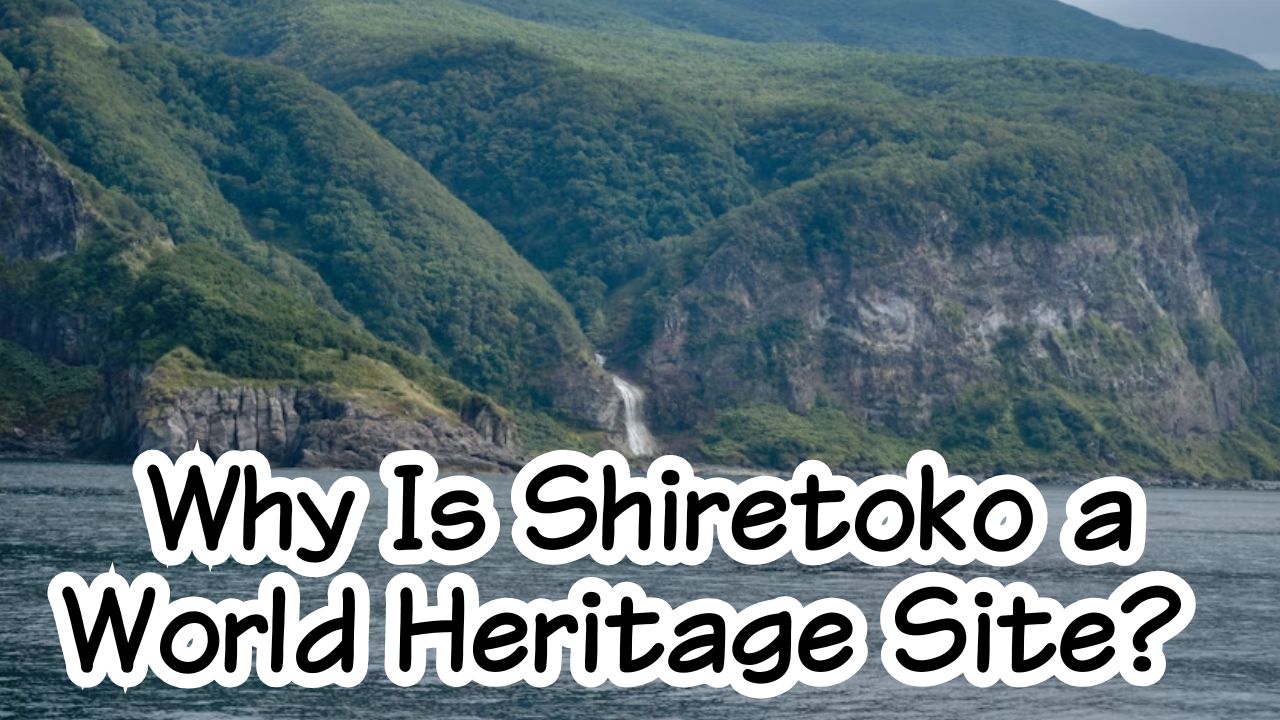
Why Is Shiretoko a World Heritage Site?
Shiretoko became a UNESCO World Heritage Site because it is one of the world’s best examples of an ecosystem where the sea and the land are closely connected.
Drifting sea ice, rich forests, salmon-filled rivers, and abundant wildlife create an extraordinary natural environment found in very few places on Earth.

Why You Should Care
When people hear the words “World Heritage Site,” they often imagine ancient temples or historic cities.
Shiretoko is different.
It earned its place on the UNESCO World Heritage List not because of buildings or monuments, but because of its living, breathing wilderness.
Understanding why Shiretoko is so special will help you appreciate every forest trail, waterfall, and wildlife encounter during your visit.
One of the Last Great Wilderness Areas in Japan
Shiretoko is located on the northeastern tip of Hokkaido.
Its name comes from the Ainu language, believed to mean “the end of the Earth” or “the place where the land ends.”
For centuries, the peninsula remained difficult to access because of its steep mountains, rugged coastline, and harsh winters.
As a result, much of its natural environment remained untouched.
Today, Shiretoko is one of the few places in Japan where nature still dominates the landscape.
Nature Comes First Here
Unlike many tourist destinations, large parts of Shiretoko have no roads.
Some areas can only be reached by boat or on guided hiking tours.
This limited access has helped protect the peninsula’s fragile ecosystems for generations.
Visitors don’t simply come to see nature.
They come to experience a place where nature is still in control.
The Amazing Role of Drift Ice
One of Shiretoko’s greatest natural wonders arrives every winter.
Drift ice flows south from the Arctic region through the Sea of Okhotsk.
This makes Shiretoko the southernmost place in the Northern Hemisphere where seasonal sea ice can be seen.
At first, frozen seas might seem lifeless.
In reality, the ice brings enormous amounts of nutrients into the ocean.
These nutrients support tiny plankton, which feed fish, seabirds, seals, and many larger animals.
How the Ocean Feeds the Forest
The story doesn’t end in the sea.
Salmon return from the ocean to rivers each year to spawn.
Bears, eagles, foxes, and other animals feed on the salmon.
Nutrients from the sea are carried deep into the forest.
This remarkable connection between the ocean and the land is one of the main reasons UNESCO recognized Shiretoko.
Very few places in the world demonstrate this natural cycle so clearly.
A Paradise for Wildlife
Because Shiretoko’s ecosystems remain healthy, the peninsula supports an incredible variety of wildlife.
Some of its most famous residents include:
- 🐻 Brown bears
- 🦅 Steller’s sea eagles
- 🦊 Red foxes
- 🦌 Ezo deer
- 🦭 Seals
- 🐋 Orcas and sperm whales (seasonally offshore)
Wildlife watching has become one of the region’s greatest attractions.
However, visitors are encouraged to observe animals from a safe and respectful distance.
Living Alongside Wild Animals
Shiretoko reminds us that humans are guests here.
Local communities, park rangers, and researchers work together to protect wildlife while allowing people to experience this remarkable environment responsibly.
Learning to respect wild animals is part of the Shiretoko experience.
Why UNESCO Chose Shiretoko
In 2005, UNESCO recognized Shiretoko as a World Heritage Site because of its outstanding natural value.
The organization highlighted the close relationship between marine and terrestrial ecosystems, supported by seasonal sea ice and salmon migrations.
This unique interaction creates exceptional biodiversity and ecological processes that are rare on a global scale.
Rather than honoring a single scenic viewpoint, UNESCO recognized an entire living ecosystem.
A Living World Heritage Site
Unlike historical monuments that preserve the past, Shiretoko’s value lies in what continues to happen every day.
The sea ice still arrives.
Salmon still swim upstream.
Bears still roam the forests.
Nature continues to write the story that earned Shiretoko its place on the World Heritage List.
The Best Ways to Experience Shiretoko
Shiretoko isn’t a place you simply visit.
It’s a place you experience.
Because so much of the peninsula remains untouched, many of its greatest attractions can only be reached by boat, on foot, or with experienced local guides.
Every activity offers a different way to connect with this extraordinary landscape.
Cruise Along the Rugged Coastline
One of the most popular ways to explore Shiretoko is by sightseeing boat.
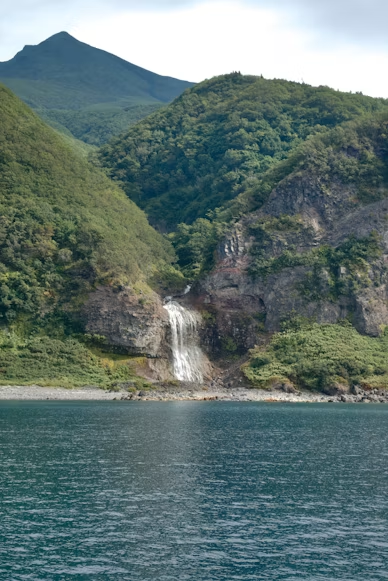
From the sea, you’ll discover towering cliffs, hidden waterfalls, sea caves, and dramatic rock formations that cannot be seen from land.
Depending on the season, you may also spot:
- 🐻 Brown bears searching for food along the shoreline
- 🦭 Harbor seals resting on rocks
- 🦅 White-tailed eagles and Steller’s sea eagles
- 🐋 Orcas and sperm whales offshore during the warmer months
Seeing Shiretoko from the water helps you understand just how wild and remote the peninsula truly is.
Why Are Brown Bears So Important in Hokkaido?
Shiretoko is home to an incredible variety of wildlife, including deer, foxes, sea eagles, and the iconic brown bear. As the largest land animal in Japan, the brown bear plays an important role in Hokkaido’s rich ecosystem and culture. Discover why this powerful animal has become a symbol of Hokkaido’s wild nature.
Read next: Why Are Brown Bears So Important in Hokkaido? The Powerful Symbol of Hokkaido’s Wild Nature

Walk Through an Ancient Forest
Several hiking trails allow visitors to experience Shiretoko’s forests up close.
One of the most popular destinations is the Shiretoko Five Lakes, where elevated boardwalks and guided trails lead through old-growth forests with spectacular mountain views.
As you walk, you may notice signs reminding visitors that brown bears also live here.
In Shiretoko, people are visitors in the bears’ home.
That perspective makes every walk feel even more meaningful.
Stock Up on Outdoor Gear at Montbell Koshimizu
Planning to hike or explore Shiretoko? If you need outdoor clothing or equipment, I recommend stopping by the Montbell Okhotsk Oashis Koshimizu Store before heading into the national park.
The shop offers a wide range of hiking gear, rainwear, backpacks, and outdoor accessories. Whether you’ve forgotten something or want to prepare for Hokkaido’s changing weather, it’s a convenient place to shop before your adventure begins.
Why I Recommend It
- Great selection of hiking and camping gear
- Perfect for last-minute outdoor essentials
- Ideal stop before visiting Shiretoko National Park
- Helpful for Hokkaido’s unpredictable weather
Address
474-7 Hamakoshimizu,Koshimizu, Shari District,Hokkaido
Protecting Shiretoko for Future Generations
World Heritage status is both an honor and a responsibility.
The goal isn’t simply to attract more visitors.
It’s to protect this remarkable ecosystem so future generations can experience it too.
Park rangers, researchers, local communities, and tour operators work together to balance tourism with conservation.
Visitors also play an important role by following park rules and respecting wildlife.
Shiretoko reminds us that protecting nature begins with understanding it.
Responsible Travel Makes a Difference
When visiting Shiretoko, you can help protect this special place by:
- Staying on designated trails and boardwalks.
- Never feeding or approaching wild animals.
- Carrying out all trash.
- Following instructions from park staff and local guides.
- Choosing guided tours that support sustainable tourism.
Small actions help preserve one of the world’s most valuable natural ecosystems.
Don’t Miss the Road to the Sky
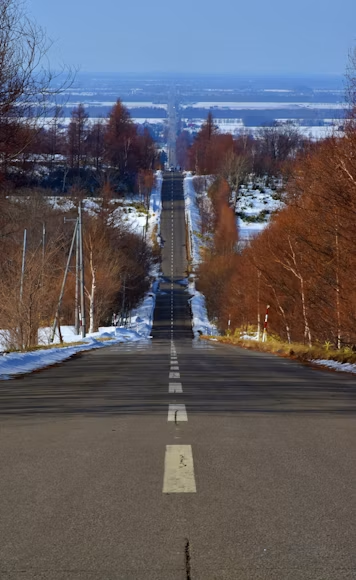
If you’re driving to or from Shiretoko, I highly recommend making a stop at Road to the Sky (Ten ni Tsuzuku Michi) in Shari Town.
This spectacular straight road stretches for about 28.1 kilometers (17.5 miles), creating the incredible illusion that it disappears into the horizon.
Surrounded by vast fields and open skies, it’s one of Hokkaido’s most photogenic driving routes. On a clear day, the endless road perfectly captures the island’s wide-open landscapes and sense of freedom.
Why I Recommend It
- One of Hokkaido’s most famous scenic roads
- Incredible panoramic views
- Perfect photo stop during your road trip
- A unique driving experience found only in eastern Hokkaido
Address
Minehama, Shari, Shari District
Access
- About 20 minutes by car from JR Shiretoko-Shari Station
- About 50 minutes by car from Utoro (Shiretoko National Park)
Did You Know?
- 🌍 Shiretoko was added to the UNESCO World Heritage List in 2005.
- 🧊 It is the southernmost place in the Northern Hemisphere where seasonal drift ice regularly reaches the coast.
- 🐟 Salmon carry nutrients from the sea into the forest, supporting bears, birds, and many other animals.
- 🐻 Shiretoko has one of the highest densities of brown bears in Japan.
- 🚤 Many of Shiretoko’s most spectacular coastal cliffs and waterfalls can only be seen by boat.
FAQ
Why is Shiretoko a World Heritage Site?
Because it has an exceptional ecosystem where the sea, drift ice, rivers, forests, and wildlife are closely connected. UNESCO recognized these unique natural processes in 2005.
Can you see bears in Shiretoko?
Yes. Shiretoko is home to many brown bears, especially during the salmon spawning season. Always observe bears from a safe distance and follow park guidelines.
When is the best time to visit Shiretoko?
Summer (June to August) is ideal for hiking, cruises, and wildlife watching. Winter (February to March) is best for experiencing the famous drift ice.
Can I visit Shiretoko without a guide?
Many attractions are freely accessible, but some areas require a certified guide during certain seasons to protect both visitors and wildlife.
How many days should I spend in Shiretoko?
A stay of 2–3 days is recommended to enjoy cruises, hiking, wildlife watching, and nearby attractions without rushing.
Visit It Yourself
Location
Shiretoko Peninsula, eastern Hokkaido, Japan(https://maps.app.goo.gl/xRWi9aJCfPmfLuB66)
Best Season
June–September for hiking and cruises; February–March for drift ice experiences.
How to Get There
The nearest gateway is Memanbetsu Airport. From there, it’s about a 2–3 hour drive to Utoro, the main tourist area. Rental cars are the most convenient option, though seasonal buses are also available.
Estimated Visit Time
2–3 days
Admission Fee
The national park itself is free to enter. Some guided tours, boat cruises, and visitor facilities charge separate fees.
Official Website
Please check the official website for the latest information on trail access, guided tours, wildlife advisories, and seasonal conditions.
Final Thoughts
Shiretoko isn’t famous because someone built something extraordinary.
It’s famous because nature did.
For thousands of years, drift ice has carried nutrients from the sea.
Salmon have returned to the rivers.
Bears have wandered through the forests.
Together, they created one of the world’s most remarkable ecosystems.
When you visit Shiretoko, you’re not just looking at beautiful scenery.
You’re witnessing a living story that continues with every changing season.
It’s a place that reminds us how powerful—and fragile—nature can be.
Because sometimes the greatest wonder isn’t what humans create. It’s what nature has protected all along.







コメント