

My name is MAKO
Based in Sapporo, Hokkaido | Born and raised in Obihiro, Hokkaido | Lover of Sapporo Classic beer and fresh sashimi | Passionate about road trips and camping | Always chasing beautiful scenery
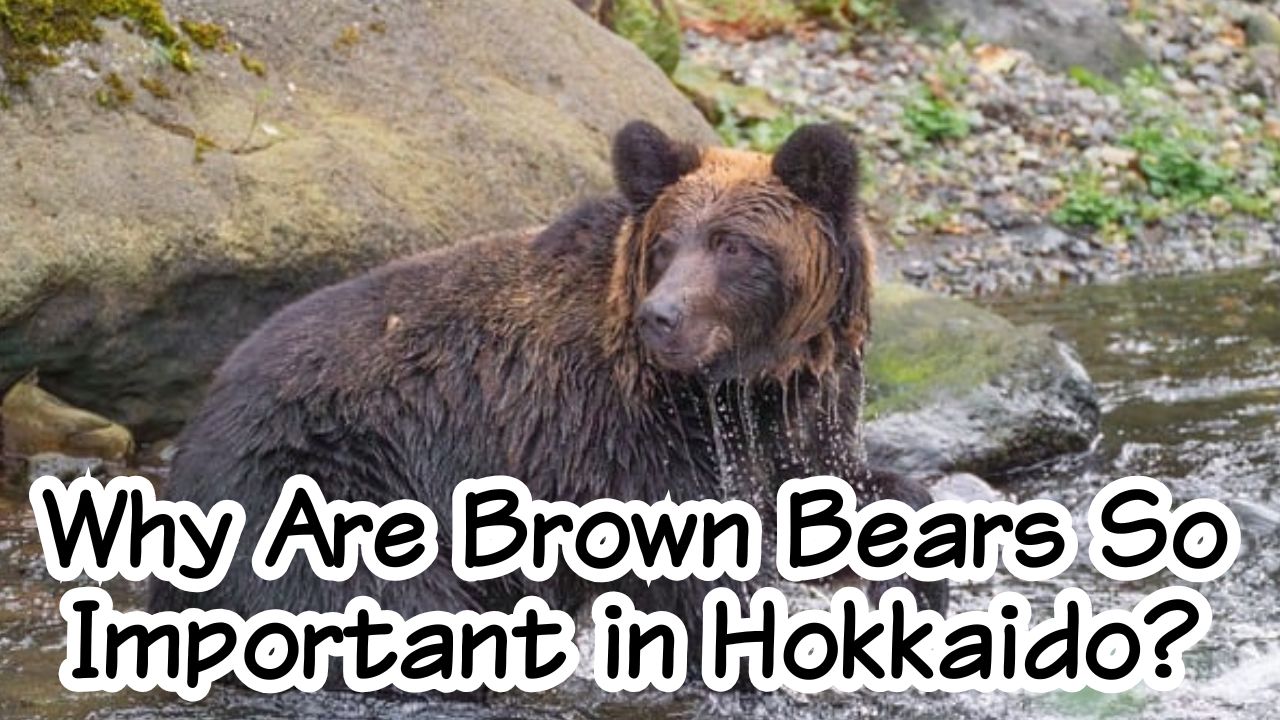
Why Are Brown Bears So Important in Hokkaido?
Brown bears are important because they are the largest wild animals in Japan and a symbol of Hokkaido’s rich natural environment.
They play a vital role in local ecosystems, hold deep cultural meaning in Ainu traditions, and remind people to respect the island’s wilderness.

Why You Should Care
When many people think of Hokkaido, they imagine snow, seafood, and beautiful landscapes.
But one of the island’s true icons is the Hokkaido brown bear.
Understanding its story helps you appreciate Hokkaido not just as a travel destination, but as one of the few places in Japan where nature still dominates the landscape.
Meet Japan’s Largest Wild Animal
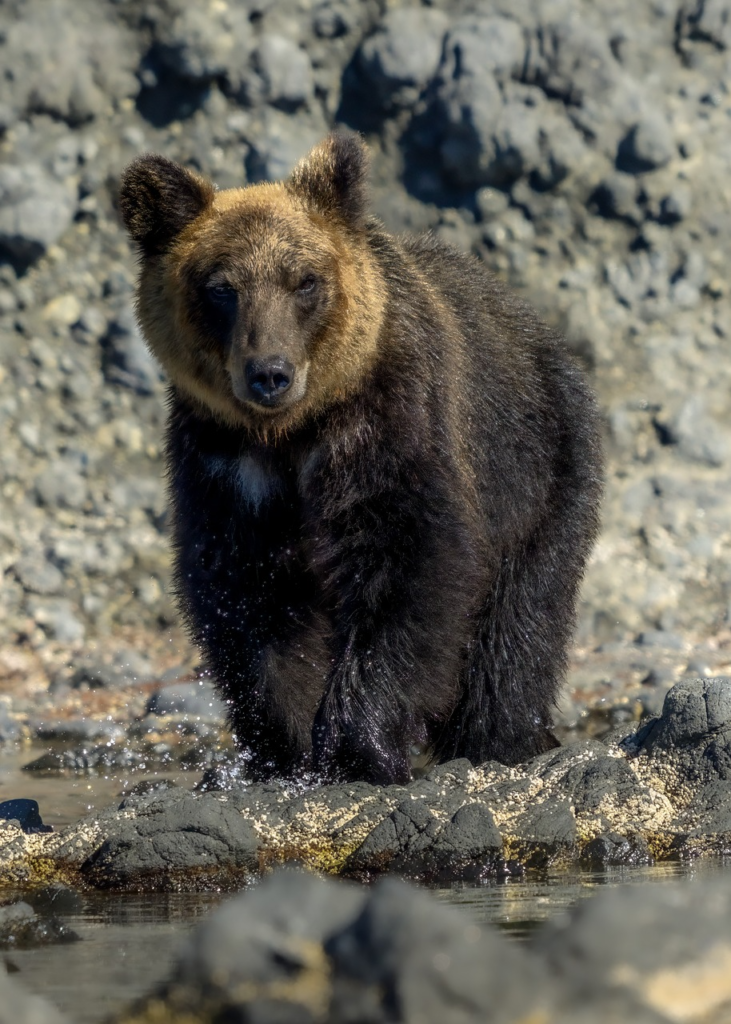
The Hokkaido brown bear (Ursus arctos yesoensis) is the largest land animal in Japan.
Adult males can weigh more than 300 kilograms (660 pounds), making them one of the most impressive animals in East Asia.
Unlike black bears found in other parts of Japan, brown bears live only in Hokkaido.
Their presence makes the island unique and reminds visitors that Hokkaido still has vast areas of untouched wilderness.
A Land Made for Wildlife
Hokkaido’s mountains, forests, rivers, and wetlands provide ideal habitats for brown bears.
The island has fewer people and more natural forests than most parts of Japan, allowing wildlife to thrive.
Bears can roam across large areas in search of food such as berries, nuts, insects, and salmon.
Why Is Shiretoko a World Heritage Site?
One of the best places to experience Hokkaido’s untouched wilderness is Shiretoko.
Its vast forests, rugged mountains, and rich ecosystems provide an ideal habitat for brown bears and many other wild animals.
Discover why Shiretoko was recognized as a UNESCO World Heritage Site and why it remains one of Japan’s last true wildernesses.
Read next: Why Is Shiretoko a World Heritage Site? The Untamed Story of Hokkaido’s Wild Peninsula

Amazing Strength and Senses
The Hokkaido brown bear is the largest land mammal in Japan and is perfectly adapted to life in the wild.
Despite its large size, a brown bear can run at speeds of up to 50 km/h (31 mph) over short distances. It also has an incredible sense of smell, allowing it to detect food from several kilometers away under the right conditions. Strong claws and powerful muscles help it dig for food, catch fish, and survive in Hokkaido’s rugged forests.
These remarkable abilities are one reason visitors should always keep a safe distance and never approach a wild bear.
A Key Part of Nature
Brown bears are known as an apex species, meaning they are at the top of the food chain.
Although they rarely hunt large animals, they help maintain healthy ecosystems in many ways.
As they travel through forests, they spread seeds in their droppings, helping new plants grow.
They also feed on salmon, returning nutrients from rivers to forests.
Scientists consider brown bears an important part of Hokkaido’s natural balance.
Nature’s Forest Gardener
Every season, bears move across long distances looking for food.
During these journeys, they unintentionally help plants spread throughout the forest.
Without realizing it, they become gardeners of the wilderness.
This is one reason conservationists work to protect healthy bear habitats.
The Brown Bear in Ainu Culture
Long before modern cities existed, the Indigenous Ainu people lived alongside brown bears.
In Ainu belief, bears were not simply wild animals.
They were considered kamuy, or divine spirits that visited the human world.
Because of this belief, bears were respected with great care and gratitude.
Their traditions reflected a deep connection between humans and nature.
More Than a Symbol
For the Ainu, respecting bears also meant respecting the forests, rivers, and mountains that supported all life.
Today, learning about this culture helps visitors better understand Hokkaido’s history and its relationship with nature.
Living Alongside Brown Bears
Brown bears are powerful wild animals, but they usually avoid people.
Most encounters happen because bears are searching for food or because humans accidentally enter their habitat.
As Hokkaido’s cities and farms have expanded, people and bears sometimes cross paths.
Finding ways for humans and bears to live safely together has become an important challenge for the island.
How Visitors Can Stay Safe
If you’re hiking or exploring nature in Hokkaido, remember these simple safety tips:
- 🐻 Stay on marked trails.
- 🔔 Make noise while walking to avoid surprising bears.
- 🚫 Never feed wild animals.
- 🍱 Take all food and garbage with you.
- 📢 Follow local warnings and park information.
These simple actions help protect both visitors and the bears themselves.
Brown Bears Have Become a Symbol of Hokkaido
Today, brown bears appear everywhere in Hokkaido.
You’ll find them on souvenirs, local mascots, museum exhibits, and even road signs.
For many visitors, seeing a bear image immediately reminds them of Hokkaido’s rich natural environment.
Unlike famous landmarks that people build, the brown bear represents the island’s wild spirit.
Not Just Cute Characters
Many bear-themed souvenirs look friendly and adorable.
However, they also remind people that real brown bears deserve respect.
They are magnificent wild animals—not pets.
Learning about them helps visitors better understand Hokkaido’s unique relationship with nature.
Where Can You Learn About Brown Bears?
Although seeing a wild brown bear is extremely rare—and should always happen from a safe distance—you can still learn about them in several places.
Popular options include:
- 🐻 Upopoy National Ainu Museum and Park, where you can learn about the bear’s importance in Ainu culture(https://ainu-upopoy.go.jp/).
- 🌲 Shiretoko National Park, home to one of Japan’s healthiest brown bear populations(https://center.shiretoko.or.jp/).
- 🦁 Asahiyama Zoo, where visitors can observe brown bears in a carefully designed environment while learning about their behavior(https://www.city.asahikawa.hokkaido.jp/asahiyamazoo/).
These places help visitors appreciate brown bears without disturbing them in the wild.
Check the Latest Bear Sighting Information Before You Go
If you’re planning to hike or visit natural areas around Sapporo, it’s a good idea to check the latest brown bear sighting information before you head out.
The City of Sapporo provides an official website that shows recent bear sightings by date, location, and map.
You can also receive notifications through the city’s official LINE account, making it easy to stay informed during your trip.
Checking this information only takes a few minutes and can help you enjoy Hokkaido’s beautiful nature more safely.
Why I Recommend It
- Stay informed about recent bear activity.
- View sightings on an interactive map.
- Plan hiking routes more safely.
- Receive updates through the official LINE service.
Official Website

Did You Know?
- 🐻 Brown bears live only in Hokkaido and are not found naturally elsewhere in Japan.
- 🏔️ Hokkaido has one of the largest brown bear populations in East Asia.
- 🐟 Salmon are an important seasonal food source for many brown bears.
- 🌱 Bears help spread plant seeds throughout forests.
- 🪶 The Ainu people traditionally regarded brown bears as sacred spirits called kamuy.
FAQ
Are brown bears dangerous?
Brown bears are powerful wild animals and can be dangerous if surprised or threatened. Visitors should always follow local safety guidelines and never approach a bear.
Can I see a wild brown bear in Hokkaido?
It’s possible, especially in remote areas such as Shiretoko, but sightings are uncommon. Most visitors learn about bears at museums, visitor centers, or zoos.
Why are brown bears important to the Ainu?
The Ainu believed brown bears were kamuy, or divine spirits, and treated them with great respect as part of their spiritual traditions.
What do brown bears eat?
They are omnivores. Their diet includes berries, nuts, insects, plants, and salmon during the spawning season.
When is the best time to learn about brown bears?
You can learn about them year-round at museums and zoos. In nature, late summer and autumn are the seasons when bears are most active as they prepare for winter.
Visit It Yourself
Location
Brown bears live throughout many forested regions of Hokkaido, especially in eastern and northern areas.
Best Season
Spring through autumn for wildlife education and national parks. Museums and zoos can be visited year-round.
How to Get There
Visit Upopoy, Asahiyama Zoo, or Shiretoko National Park by car or public transportation, depending on the destination.
Estimated Visit Time
2–4 hours.
Admission Fee
Varies by facility.
Official Website
Please check the official website for the latest information on opening hours, admission fees, guided tours, and wildlife safety advice.
Final Thoughts
The brown bear is more than just Hokkaido’s largest wild animal.
It represents the island’s forests, rivers, mountains, and the delicate balance of nature.
Learning about brown bears also means learning about the people who have lived alongside them for centuries, especially the Ainu.
As you travel through Hokkaido, you’ll notice that nature is never far away.
The story of the brown bear reminds us that the island is still a place where wildlife shapes the landscape—and where respect for nature remains an important part of everyday life.









コメント