

My name is MAKO
Based in Sapporo, Hokkaido | Born and raised in Obihiro, Hokkaido | Lover of Sapporo Classic beer and fresh sashimi | Passionate about road trips and camping | Always chasing beautiful scenery
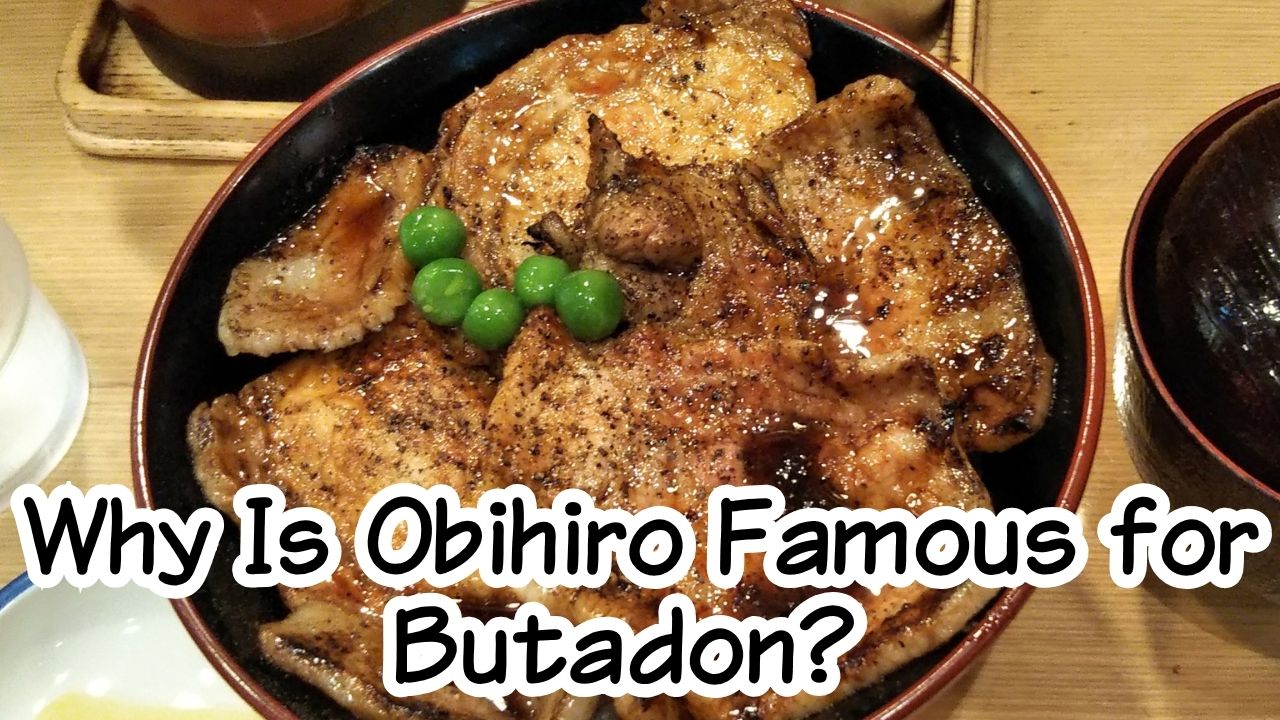
Why Is Obihiro Famous for Butadon?The Short Answer
Obihiro is famous for butadon because the dish was born here in the early 1930s, using pork that had become familiar in the agricultural Tokachi region.
Inspired by unadon, a traditional grilled eel rice bowl, a local cook created an affordable and filling meal of grilled pork with a sweet and savory soy-based sauce. It eventually became one of the foods most closely connected with Obihiro.

Why You Should Care
You can eat pork over rice in many places in Japan.
But eating Obihiro butadon in Obihiro is different.
Once you know the story, the bowl in front of you becomes more than lunch. It reflects the history of Tokachi—a huge farming region where people worked hard, raised livestock, and learned to make the most of the food available around them.
That is exactly what makes local food so interesting when you travel.
A good butadon does not just tell you what Obihiro tastes like.
It tells you why Obihiro tastes this way.
Why Did Butadon Begin in Obihiro?
To understand butadon, you first need to understand Tokachi.
Obihiro sits at the center of the Tokachi region, an area famous today for agriculture, dairy farming, potatoes, wheat, beans, and livestock.
But this rich agricultural landscape did not appear overnight.
Modern agricultural development accelerated from the late 19th century as settlers worked to cultivate the wide Tokachi Plain.
And pigs were part of that story.
According to local tourism sources and Japan’s Agency for Cultural Affairs, the history of pig farming in the area is connected with Benzo Yoda and the Banseisha settlement group, pioneers in the development of Tokachi. They reportedly brought four pigs when settling in the area.
Pig farming later expanded, and pork gradually became a familiar part of local food culture. Japan’s Ministry of Agriculture notes that pig farming was established in Tokachi around the end of the Meiji period, around 1910.
From Four Pigs to a Local Food Culture
There is an old phrase associated with pioneer Benzo Yoda:
“At the beginning of cultivation, we shared one pot with the pigs.”
The words capture just how closely livestock and daily survival were connected during Tokachi’s early development.
By the end of the Taisho period in the 1920s, pork dishes were becoming more common in the region.
However, meat was still not something everyone could easily enjoy whenever they wanted.
This created the perfect setting for a new kind of local meal: something satisfying, flavorful, and affordable.
How Unadon Inspired Obihiro Butadon
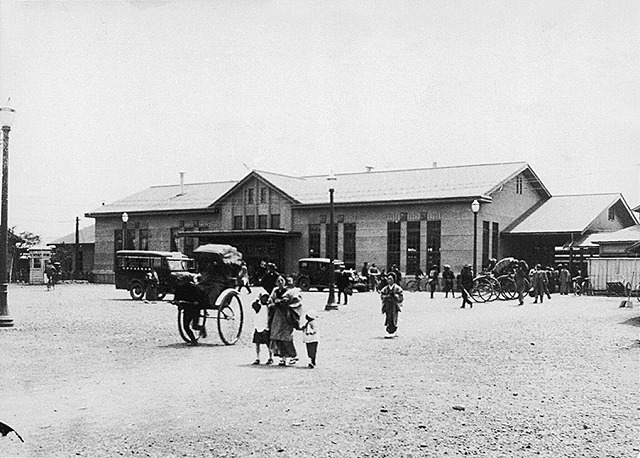
The most interesting part of the story begins in the early Showa period.
According to Japan’s Agency for Cultural Affairs, Hidejiro Abe, who later founded the famous butadon restaurant Pancho, developed the dish in the 1930s. Obihiro tourism sources date the appearance of butadon to 1933.
Abe wanted to create a filling meal that ordinary people could enjoy.
His inspiration was unadon—grilled eel coated in a rich, sweet soy-based sauce and served over rice.
There was one problem.
Eel was expensive and not easy to obtain in Obihiro.
Pork, however, made much more sense in Tokachi.
So instead of eel, pork was grilled and covered with a sweet and savory sauce before being placed over hot rice.
A local classic was born.
Why Butadon Was Perfect for Tokachi
Butadon was a clever match for the region.
Tokachi was an agricultural area where farmers and laborers needed hearty meals. Pork provided a satisfying source of energy, while rice and a strong sweet-savory sauce made the dish simple but deeply comforting.
Japan’s Ministry of Agriculture describes the classic dish as thick slices of pork flavored with a sugar-and-soy-based sauce and served over rice. Traditionally, charcoal grilling is also closely associated with the dish.
There were no complicated decorations.
No luxury ingredients were needed.
Just pork, rice, heat, and sauce.
That simplicity is still one of butadon’s greatest strengths.
What Makes Obihiro Butadon Taste So Good?
Today, there is no single way to make butadon.
Walk around Obihiro and you will find many restaurants with their own style. The city itself encourages visitors to compare different shops.
Some restaurants grill the pork over charcoal, creating dark, slightly crispy edges and a wonderful smoky smell.
Others use different grilling methods for a softer and juicier result.
The cut of pork can also change.
You may find:
- Leaner pork loin
- Rich and fatty pork belly
- A combination of different cuts
Then there is the sauce.
Usually based on soy sauce and sweetness, each restaurant has its own balance. Some taste lighter. Others are rich, dark, and almost caramel-like.
The official Hokkaido tourism site highlights exactly this variety—different cuts, sauces, and cooking methods are part of the fun of eating butadon in Obihiro.
Why Comparing Butadon Restaurants Is Part of the Experience
Here is something important to remember:
There is no need to find the one “best” butadon restaurant.
Trying different styles can be much more fun.
One shop may give you strong charcoal aromas.
Another may have softer pork.
Another may serve a sweeter sauce that soaks deep into the rice.
Even the choice of pork varies. Some restaurants highlight Tokachi or Hokkaido pork, while sourcing and recipes differ from shop to shop.
Obihiro has enough restaurants specializing in the dish that the city and local tourism organizations publish information to help visitors explore them.
If you have enough time, try butadon twice during your stay.
You may be surprised by how different two bowls can taste.
From Farmers’ Food to the Symbol of Obihiro
This is perhaps the biggest reason Obihiro butadon is special.
It was not created as a tourist attraction.
It grew from the history and everyday life of the region.
Pigs were raised in Tokachi. Farmers and workers needed filling food. A cook looked at an expensive eel dish and wondered how he could create something more practical for ordinary people.
That solution became butadon.
Over the decades, other restaurants developed their own versions, and the dish spread throughout Obihiro and Tokachi.
Today, the Japanese government recognizes Tokachi and Obihiro’s butadon as part of Japan’s regional food culture through its 100-Year Food program.
A humble bowl became a regional identity.
That is a very Hokkaido story.
How to Enjoy Butadon Like a Traveler Who Knows the Story
Look at the Pork Before Taking Your First Bite
When your bowl arrives, take a moment before eating.
Look at the dark grill marks.
Notice the shiny sauce.
Then smell the pork.
If it has been charcoal-grilled, the smoky aroma may reach you before the first bite.
Now remember where the dish came from.
What looks like a simple bowl of meat and rice represents more than a century of farming culture and almost a century of local culinary history.
That first bite may taste a little different once you know the “Why.”
Try Pancho’s Butadon to Go
If you’re visiting Obihiro, don’t miss Butadon no Pancho, the restaurant widely known as the birthplace of butadon.
Located just a short walk from Obihiro Station, it’s an easy stop for travelers. If you don’t have time to dine in, you can also order a takeaway bento, making it perfect for enjoying on the train or during your road trip. The same charcoal-grilled pork and signature sweet-and-savory sauce are packed into every lunch box.
Address
Nishi 1-jo Minami 11-19, Obihiro
Did You Know?
- Obihiro is considered the birthplace of butadon.
- Butadon appeared in Obihiro around 1933, according to local tourism sources.
- The dish was inspired by unadon, the Japanese grilled eel rice bowl.
- Tokachi’s connection with pigs dates back to its pioneer era; the Banseisha settlers are said to have brought four pigs to the area.
- There is no single standard Obihiro butadon. Different restaurants use different cuts of pork, sauces, and grilling methods.
FAQ
Is Butadon Only Found in Obihiro?
No. You can find pork rice bowls elsewhere in Japan.
However, Obihiro is regarded as the birthplace of this regional style of butadon, and the dish has a particularly strong connection with Tokachi’s history and food culture.
What Does Butadon Taste Like?
It is usually sweet, savory, smoky, and rich.
The pork is commonly coated in a soy-based sauce with sweetness similar to the sauce used for grilled eel.
Is Obihiro Butadon Spicy?
Usually, no.
The basic sauce is sweet and savory rather than spicy. Some restaurants provide pepper or other seasonings so you can adjust the flavor.
Is All Obihiro Butadon Made With Tokachi Pork?
Not necessarily.
Ingredients and sourcing vary by restaurant, although some shops proudly use pork from Tokachi or elsewhere in Hokkaido.
Should I Eat Butadon for Lunch or Dinner?
Either works.
Many popular restaurants can become busy around lunchtime, so arriving outside the busiest lunch period may make your visit easier. Always check the individual restaurant’s current opening hours before visiting.
Visit It Yourself
Location
Obihiro, Tokachi region, eastern Hokkaido(https://maps.app.goo.gl/6ksTD7RKwyirKVXx8)
Best Season:
Year-round. Butadon is not a seasonal dish, so you can enjoy it during any trip to Obihiro.
How to Get There
JR Obihiro Station is the main transportation hub for the city. According to the Obihiro Tourism and Convention Association, the fastest train journey from Sapporo takes about 2 hours 24 minutes. Tokachi-Obihiro Airport is also connected to central Obihiro by airport bus, which takes roughly 40 minutes. Transport schedules can change.
Estimated Visit Time
About 45–60 minutes for one butadon meal.
Allow 2–3 hours if you want to explore central Obihiro and compare restaurants.
Admission Fee
None. You only pay for your meal.
Official Website
Obihiro Tourism and Convention Association
Butadon Information
HOKKAIDO LOVE! Official Tourism Site – Butadon
Please check the official website for the latest information.
Final Thoughts
At first glance, butadon could not be simpler.
Pork. Rice. Sauce.
But that simplicity hides a fascinating story.
The dish connects the pioneer history of Tokachi, the development of pig farming, the hard lives of local workers, and the creativity of a cook who transformed the idea of an expensive eel bowl into something ordinary people could enjoy.
So when you visit Obihiro, do not just order butadon because a guidebook says it is famous.
Order it because you know why it was born here.
Then take a bite of that smoky pork and sweet-savory sauce.
You may find that you are not simply tasting one of Hokkaido’s best-known local dishes.
You are tasting a small piece of Obihiro’s history.









コメント