
My name is MAKO
Based in Sapporo, Hokkaido | Born and raised in Obihiro, Hokkaido | Lover of Sapporo Classic beer and fresh sashimi | Passionate about road trips and camping | Always chasing beautiful scenery
The Short Answer
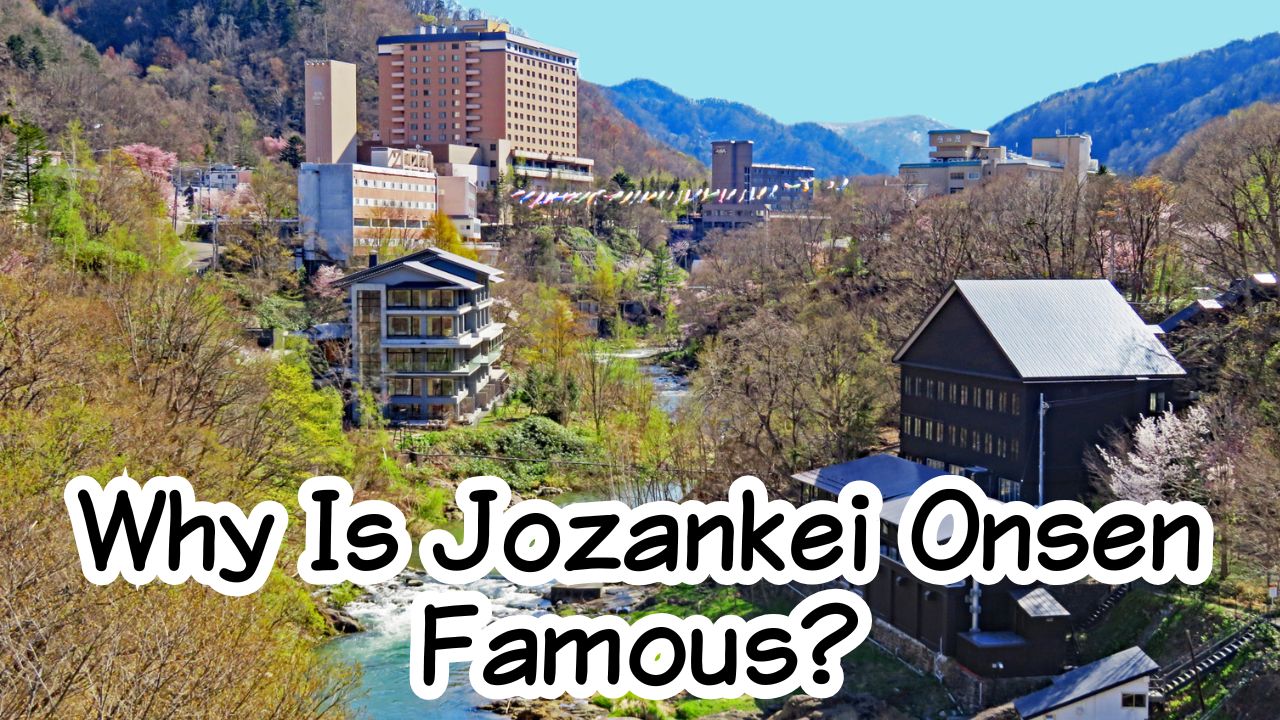
Jozankei Onsen is famous because it combines abundant natural hot springs, dramatic valley scenery, more than 150 years of history, and easy access from Sapporo.
Its story began in 1866, when the monk Miizumi Jozan reached the hot springs with guidance from local Ainu people and worked to create a place where people could come to heal and rest. Today, the resort lies only about 26 kilometers south of central Sapporo inside Shikotsu-Toya National Park.

Why You Should Care
Jozankei is an unusual place.
Many famous Japanese onsen towns require a long train ride into the countryside. Jozankei gives you mountain scenery and traditional hot springs while still being part of Sapporo City.
That means you can eat ramen and explore Odori Park one day, then soak in an outdoor bath surrounded by forests the next.
Knowing its history makes the experience even better.
When you see hot water rising beside the Toyohira River, you are looking at the same natural resource that attracted people here more than 150 years ago.
The Story Behind It
Jozankei Onsen Began With One Monk in 1866
The story starts near the end of Japan’s Edo period.
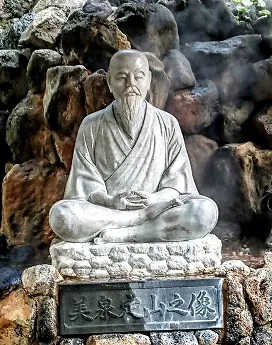
In 1866, the ascetic monk Miizumi Jozan reached the hot springs in this mountain valley with guidance from local Ainu people.
Jozan believed the water could be used to help sick and injured people.
But reaching the area was difficult.
There were few roads, harsh winters, and deep mountain forests.
Still, Jozan worked to develop the area. He cleared land, helped build roads and bridges, and brought people who needed treatment to the springs.
What is now a large resort town began as a small mountain healing place.
Why Is It Called “Jozankei”?
Even the name tells part of the story.
“Kei” (渓) means valley or ravine in Japanese.
The area was later named Jozankei—“Jozan’s Valley”—in honor of Miizumi Jozan and his work developing the hot spring. Official local history records that statesman Higashikuze Michitomi praised Jozan’s achievements and gave the previously unnamed valley its new name.
So every time you say “Jozankei,” you are actually saying the name of the man who helped create the resort.
That is one of those small details that makes a place feel different once you know the “Why.”
Why Does Jozankei Have So Much Hot Spring Water?
Jozankei is not famous because of just one small spring.
There are 56 hot spring sources, producing around 8,600 liters of hot water every minute. The source temperatures are approximately 60–80°C.
The water is mainly a sodium chloride spring.
Jozankei lies within Shikotsu-Toya National Park, an area shaped by volcanic activity. Underground water is heated deep below the mountains and rises through cracks in the rock, including along the Toyohira River.
In other words, the valley itself helped create the hot spring town.
The mountains provide the scenery.
The geology provides the hot water.
How Did a Mountain Spa Become One of Hokkaido’s Famous Onsen Towns?
For many years, reaching Jozankei was not easy.
That changed as roads improved and industries such as mining and forestry developed nearby.
Then, in 1918, a railway opened between Shiroishi and Jozankei, making the hot spring much easier to reach. The resort grew further after World War II as Sapporo rapidly expanded.
Today, Jozankei has around 25 lodging facilities and welcomes roughly 2.4 million visitors a year, according to the Jozankei Tourist Association.
This is one reason Jozankei is sometimes described as Sapporo’s hot spring retreat.
You can leave a modern city and be surrounded by mountains in less than an hour.
Why Is Jozankei So Famous in Autumn?
If you search for photos of Jozankei, there is a good chance you will see red, orange, and yellow leaves.
Autumn is one of the area’s most spectacular seasons.
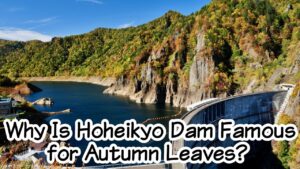
Jozankei sits in a mountain ravine, where differences between daytime and nighttime temperatures help produce vivid autumn colors. The Toyohira River running through the valley makes the scenery even more dramatic.
One of the most famous places to see them is the bright red Futami Suspension Bridge.
Around October, the red bridge, colorful forest, rocky valley, and river create one of Jozankei’s classic views.
Why Is Jozankei More Than Just a Place to Take a Bath?
Of course, you should experience the onsen.
But Jozankei is also a place to walk.
The Futami-Jozan nature trail follows the Toyohira River through forest and valley scenery. Depending on the season, visitors can also enjoy hiking, canoeing, rafting, snow activities, and other outdoor experiences.
You may also notice something unusual around town:
kappa.
These mythical Japanese water creatures have become symbols of Jozankei because of an old legend connected with Kappabuchi Pool along the river. Today, kappa statues appear throughout the resort.
So keep your eyes open while walking.
You may find more kappa than you expected.
How to Enjoy Jozankei Onsen From Sapporo
Enjoy Day-Use Hot Springs and Foot Baths
You don’t have to stay overnight to enjoy Jozankei Onsen.
Many hotels welcome day-use visitors, allowing you to relax in natural hot springs even if you’re only visiting for a few hours. Around the town, you’ll also find several free foot baths, making it easy to enjoy the healing waters while exploring the area on foot.
It’s the perfect way to experience one of Hokkaido’s most famous hot spring resorts, even on a short trip from Sapporo.
A Day Trip Works—but Staying Overnight Is Even Better
One of Jozankei’s biggest advantages is its location.
It is about 26 kilometers south of central Sapporo. By car, the journey takes around 50 minutes. The direct Kappa Liner bus from Sapporo Station takes about one hour, while regular buses take around 80 minutes.
A day trip is easy.
But staying overnight gives you something different.
After day visitors leave, you can enjoy a quiet evening bath, sleep in a Japanese-style inn or hotel, and wake up surrounded by mountain air.
For many travelers, that is when Jozankei feels most like an escape.
Did You Know?
- Jozankei Onsen began in 1866, near the end of the Edo period.
- The name Jozankei comes from its founder, Miizumi Jozan.
- The area has 56 hot spring sources producing around 8,600 liters per minute.
- A railway connecting Jozankei with the Sapporo area opened in 1918 and helped the resort grow.
- Kappa, mythical Japanese water creatures, have become symbols of the town because of a local river legend.
FAQ
Is Jozankei Onsen Actually in Sapporo?
Yes.
Jozankei is located in Minami Ward, Sapporo, even though the mountain scenery makes it feel much farther from the city.
It is also part of Shikotsu-Toya National Park.
How Long Does It Take From Sapporo to Jozankei?
The direct Kappa Liner bus takes about 60 minutes from Sapporo Station.
Driving takes around 50 minutes, depending on traffic.
When Is the Best Time to Visit Jozankei?
Jozankei is beautiful year-round.
October is especially popular for autumn leaves, while winter offers snowy scenery and outdoor baths surrounded by white mountains.
Can I Visit Jozankei Without Staying Overnight?
Yes.
Many facilities offer day-use bathing, and you can combine an onsen visit with walking around the valley.
Fees and hours vary by facility.
Please check the official website for the latest information.
Is Jozankei Worth Visiting Without a Car?
Yes.
Direct and regular buses connect central Sapporo with Jozankei, making it one of Hokkaido’s easier mountain onsen destinations to visit without driving.
Visit It Yourself
Location
Jozankei Onsen, Minami-ku, Sapporo, Hokkaido
Best Season
Year-round
October for autumn colors; winter for snowy onsen scenery.
How to Get There
From Sapporo Station:
- Kappa Liner direct bus: about 60 minutes
- Regular bus: about 80 minutes
- Car: about 50 minutes
Estimated Visit Time
Day trip: 4–6 hours
For the full experience: 1 night
Admission Fee
The town itself is free to explore.
Onsen fees vary by hotel and bathing facility.
Official Website
Jozankei Tourist Association Official Website
Please check the official website for the latest information.
Final Thoughts
At first, Jozankei may seem like a convenient hot spring near Sapporo.
But its story goes much deeper.
More than 150 years ago, Miizumi Jozan reached a remote mountain spring and imagined it as a place where people could heal.
He worked through harsh conditions to develop it.
Roads came.
A railway came.
Sapporo grew.
And the small mountain spa became one of Hokkaido’s most famous hot spring resorts.
Yet the reason people still come here is surprisingly similar to the reason they came more than a century ago.
To leave everyday life behind.
To listen to the river.
To breathe mountain air.
And to sit quietly in hot water.
So when you visit Jozankei, remember:
You are not simply visiting an onsen near Sapporo.
You are visiting a valley that has been welcoming people in search of rest for more than 150 years.




コメント