
My name is MAKO
Based in Sapporo, Hokkaido | Born and raised in Obihiro, Hokkaido | Lover of Sapporo Classic beer and fresh sashimi | Passionate about road trips and camping | Always chasing beautiful scenery
Why Is Indian Curry So Loved in Obihiro?The Short Answer
Because in Obihiro, Indian Curry is not special-occasion food.
It has been part of everyday life since 1968, offering familiar Japanese-style curry at an affordable price. Today, locals even bring pots from home to buy curry sauce for dinner, and the company says it serves more than 3 million meals a year.

Why You Should Care
Ask a traveler what food they want to eat in Obihiro, and the first answer may be:
Butadon — pork bowl.
Ask someone who lives in Tokachi, and another name may quickly appear:
Indian Curry.
It is not luxurious.
It is not traditional Indian cuisine.
And it was not created as a tourist attraction.
That is exactly why it is so interesting.
Indian Curry became famous because local families, students, workers, and children kept eating it again and again.
It is not just food you eat in Obihiro.
It is food that helps explain how people live in Obihiro.
The Story Behind Obihiro’s Indian Curry
Did Indian Curry Begin as a Curry Restaurant?
No.
Its story begins with an older Obihiro restaurant business.
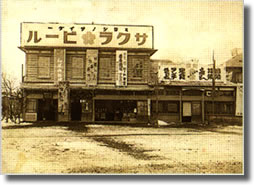
Fujimori Shokai traces its roots to the Meiji era, when it began around Obihiro Station as Fujimori Waiting Room, selling items such as manju to railway passengers. As more people used the station, its food offerings expanded, eventually developing into the long-running restaurant Fujimori.
Curry became one of Fujimori’s popular dishes.
So in 1968, the third-generation owner made a simple decision:
Why not create a restaurant focused on curry?
That was the beginning of Curry Shop Indian.
Why Is It Called “Indian” If It Is Japanese Curry?
This is important for overseas visitors.
Despite the name, the curry served here is Japanese-style curry, not the type of curry you would normally expect at an Indian restaurant.
It is thick, rich, served over Japanese rice, and designed to be comforting and easy to eat.
The Japanese brand name is written:
インデアン
And the restaurant has become so closely associated with Tokachi that locals usually need no further explanation.
Say “Indian” in Obihiro, and many people will think of curry.
Why Does Indian Call Itself “Obihiro’s Second-Best Restaurant”?
This may be the most charming part of its philosophy.
The company says it aims to be:
“the second-most delicious restaurant in Obihiro.”
Why only second?
Because the company believes the best food should be the cooking made at home by your family.
Indian wants to be the next choice—the place you can return to again and again when you are not eating at home.
That one idea explains a lot.
Indian was never trying to become an expensive restaurant for birthdays and anniversaries.
It wanted to become part of normal life.
And that is exactly what happened.
Why Do Obihiro Locals Bring Their Own Pots?
Yes.
This really happens.
Instead of asking for curry in a disposable container, many customers bring a pot from home and ask the restaurant to fill it with curry sauce.
The company itself describes people arriving with pots to buy curry for dinner, and staff say pot takeout becomes especially common toward evening.
For visitors, this can look surprising.
For many local families, it is practical.
Buy the curry.
Take it home.
Cook rice.
Dinner is ready.
Is Bringing a Pot Just About Saving Money?
It is more than that.
The tradition shows how deeply Indian has entered local home life.
Usually, restaurant takeout feels separate from home cooking.
Here, the boundary is blurred.
Rice can be made at home.
Salad can be made at home.
Then Indian curry arrives in the family pot and sits in the middle of the dinner table.
That is a very different relationship between a restaurant and its customers.
The restaurant is almost functioning as another kitchen in the neighborhood.
How Many Types of Curry Sauce Does Indian Have?
First-time visitors often assume there is one curry sauce.
There are actually three.
According to Fujimori representatives, the recipes differ from the spice-blending stage onward.
Indian Roux
The signature sauce.
It is a rich beef curry made with many spices and has a mild, rounded flavor.
Basic Roux
A beef-based sauce with onion adding sweetness and umami.
It works especially well with toppings.
Vegetable Roux
A more rustic curry containing large pieces of potato, carrot, and onion.
This means two customers can order “curry” at Indian and end up with noticeably different dishes.
Can You Customize Your Curry Like a Local?
Absolutely.
This is part of the fun.
The standard menu pairs certain toppings with certain sauces, but regular customers often change the combination.
For example, a normal cutlet curry uses Basic Roux.
But if you want the cutlet with the signature Indian Roux, locals may order it as:
“Indian Katsu.”
Customers can also choose their preferred spice level, combine toppings, and even ask for sauces to be mixed. Fujimori staff say experienced regulars often know their orders without looking at the menu.
Your first visit may feel like learning a small local language.
By your second visit, you may already have “your” Indian order.
Why Are There Three Pickles on the Table?
Look at the table before your curry arrives.
You may find something unexpected.
There is the familiar Japanese curry companion:
fukujinzuke — sweet pickled vegetables.
But Indian also serves gari, the sliced pickled ginger usually associated with sushi, plus a green pickle made with ingredients including shiso seeds, daikon, and cucumber.
Curry with sushi ginger may sound strange.
Try it before judging.
Its sharp acidity works surprisingly well with rich curry.
Small details like this are part of what makes Indian feel local rather than standardized.
How Popular Is Indian Curry Today?
Extremely popular.
Fujimori Shokai currently reports around 3 million curry meals sold per year. The company operates 13 Indian restaurants—11 in Tokachi and two in Kushiro.
Those numbers are important because Indian is still a strongly regional chain.
It has not needed hundreds of stores across Japan to become famous.
Instead, its strength comes from being deeply concentrated in one part of Hokkaido.
The local tourism association even describes Indian as something close to Tokachi fast food.
Why Hasn’t Indian Curry Become a Huge Nationwide Chain?
That question actually helps explain its appeal.
Most of the stores remain in Tokachi, with only two in Kushiro.
So for many people who grow up in Obihiro and later move away, Indian is a taste that reminds them of home.
In 2024, Fujimori explained that frozen curry had become popular partly because customers wanted to send the familiar taste to children or relatives living outside Hokkaido.
Sometimes scarcity makes a regional food more meaningful.
You cannot simply find the same experience everywhere.
To understand Indian Curry properly,
you should eat it in Tokachi.
Why Is Indian More Than Just Cheap Curry?
Because repetition creates culture.
One curry dinner is simply a meal.
But imagine:
eating it after school,
ordering it during work,
bringing a pot home for family dinner,
returning after moving away,
and then taking your own children there.
Do that for decades, and a restaurant becomes part of a community’s shared memory.
That is why “soul food” is a better description than “famous restaurant.”
Indian did not become important because tourists discovered it.
Tourists discovered it because it was already important to locals.
What Should a First-Time Visitor Order?
If you want the simplest introduction, start with the namesake:
Indian Curry with Indian Roux.
It lets you taste the sauce most closely associated with the brand.
If you want something more filling, try a cutlet or hamburger topping.
And do not ignore the pickles.
For a second visit, experiment with a different roux or customize the topping.
One of Indian’s strengths is that a simple curry can become very personal.
My Recommendation: Choose Indian Roux with Cutlet or Shrimp!
If you’re visiting Indian Curry in Obihiro, here’s my personal recommendation!
I love ordering Indian Roux with a pork cutlet (katsu) or shrimp (ebi).The rich, flavorful curry sauce goes perfectly with the crispy cutlet or delicious shrimp.
But here’s the most important tip: Make sure you choose “Indian Roux”!
Indian Curry offers different types of curry roux, but Indian Roux is my personal favorite because of its deep, rich flavor.If you’re trying Indian Curry for the first time, I highly recommend starting with this combination!
Did You Know?
- Curry Shop Indian began in 1968 after curry became one of the most popular dishes at the older Fujimori restaurant.
- The company’s philosophy is to be “Obihiro’s second-most delicious restaurant,” because family cooking comes first.
- Locals really do bring pots from home to buy curry sauce.
- Indian has three different curry sauces, not just one.
- The company currently reports about 3 million meals per year across 13 stores.
FAQ
Is Obihiro Indian Curry Actually Indian Food?
No.
It is Japanese-style curry rice.
“Indian” is the brand name of the local curry-shop chain.
Is Indian Curry Spicy?
It does not have to be.
The standard curry is designed to be approachable, and customers can choose different heat levels.
Can Tourists Bring Their Own Pot Too?
The bring-your-own-container custom is part of Indian’s takeout culture, but it is mainly useful for people taking curry home.
If you are traveling, eating inside the restaurant is usually the easiest way to experience it.
Which Indian Curry Store Is Easiest for Travelers?
Indian Machinaka is one of the easiest choices because it is in central Obihiro.
It is about a 4-minute walk from JR Obihiro Station. The local tourism association currently lists it at Nishi 2-jo Minami 10-chome 1-1.
How Much Does Indian Curry Cost?
As of October 2026, the Obihiro Tourism & Convention Association lists the standard Indian Curry at ¥693 including tax for dine-in at Machinaka and several other locations.
Please check the official website for the latest information.
Visit It Yourself
Location
A convenient location for travelers is:
Curry Shop Indian – Machinaka
Nishi 2-jo Minami 10-chome 1-1
Obihiro, Hokkaido.
Best Season
Year-round
Indian Curry is not seasonal food.
That is part of the point.
It is something locals eat throughout the year.
On a freezing Tokachi winter day, however, a hot plate of thick curry feels especially good.
How to Get There
From JR Obihiro Station, walk north for approximately 4 minutes.
Because it is in central Obihiro, it is easy to combine with sightseeing, shopping, or a night at Kita no Yatai.
Estimated Visit Time
30–60 minutes
Service is generally quick, so it works well for lunch during a sightseeing day.
Admission Fee
There is no admission fee.
As of October 2026, the local tourism association lists:
Indian Curry: ¥693
Other curries and toppings cost more.
Opening Hours
The current Fujimori site lists Machinaka as:
11:00 a.m.–9:00 p.m.
Current listed regular closing days are December 31 and January 1.
Please check the official website for the latest information.
Official Website
Fujimori Shokai / Curry Shop Indian
The company’s current site provides information about Indian and its stores.
Final Thoughts
Why is Indian Curry so loved in Obihiro?
It is not because the recipe is luxurious.
It is not because it was designed for tourists.
And it is not because the company expanded across all of Japan.
It began with a curry dish people already liked.
In 1968, that curry became its own restaurant.
People came back.
Students ate it.
Workers ate it.
Families ate it.
Some brought pots from home and carried the curry back to their own dinner tables.
Children grew up with it.
Some moved away.
Then they came back and wanted that same taste again.
That repetition turned a restaurant into something bigger.
Today, Indian sells millions of curry meals every year.
But the best way to understand its popularity is not the number.
It is the pot.
When people regularly bring a cooking pot from their own kitchen to a restaurant,
that restaurant is no longer just somewhere to eat.
It has become part of home.
That is why Indian Curry became Tokachi’s soul food.






コメント