
My name is MAKO
Based in Sapporo, Hokkaido | Born and raised in Obihiro, Hokkaido | Lover of Sapporo Classic beer and fresh sashimi | Passionate about road trips and camping | Always chasing beautiful scenery
Why Is the Air So Clean in Hokkaido?The Short Answer
Hokkaido’s air feels cleaner because of its vast forests, low population density, fewer large cities, and refreshing winds from the Sea of Japan and the Pacific Ocean.
These natural conditions help keep the air fresh, making outdoor activities even more enjoyable.
Why You Should Care
Many travelers say the first thing they notice in Hokkaido isn’t the scenery—it’s the air.
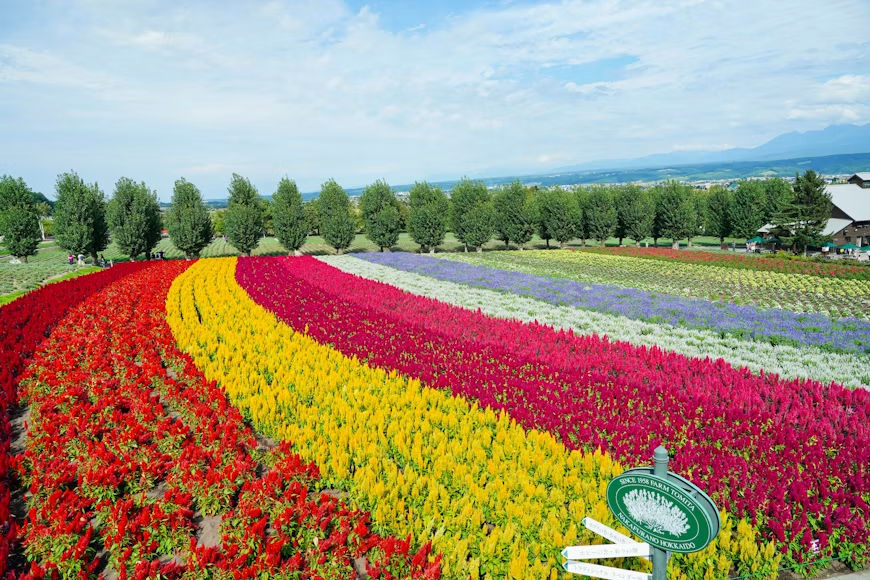
Whether you’re hiking through national parks, walking around Furano’s lavender fields, or simply exploring Sapporo, breathing the fresh air becomes part of the travel experience.
Understanding why the air feels so different will help you appreciate Hokkaido even more.
Hokkaido Has More Nature Than Most People Imagine
Hokkaido is Japan’s largest prefecture, but it has one of the country’s lowest population densities.
Nearly 70% of Hokkaido is covered by forests, including beautiful national parks and protected natural areas. These forests help create a refreshing environment and make outdoor adventures feel even more peaceful.
Fresh Ocean Winds Help Keep the Air Clean
Surrounded by Three Seas
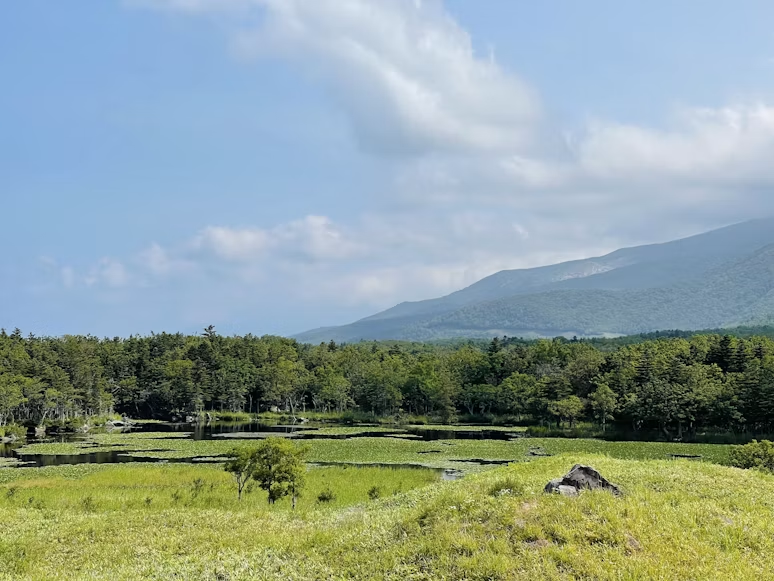
Unlike inland regions, Hokkaido is surrounded by the Sea of Japan, the Pacific Ocean, and the Sea of Okhotsk.
Throughout the year, fresh sea breezes move across the island. These winds help circulate the air and contribute to the refreshing feeling many visitors notice.
Cooler Temperatures Mean Fresher Air
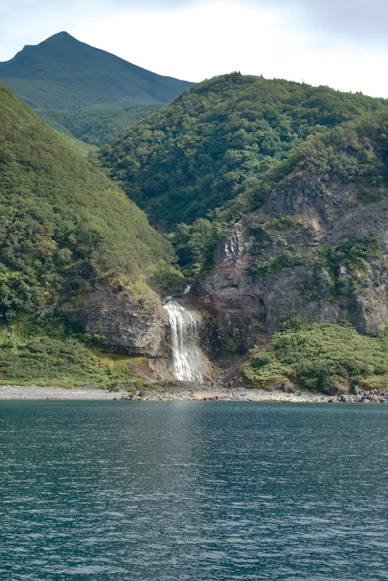
Hokkaido is known for its mild summers compared with much of Japan.
Because temperatures are generally lower, there is usually less humidity than in many other parts of the country. Many travelers describe the air as feeling crisp, comfortable, and easy to breathe, especially in the morning and evening.
Why Are Hokkaido Summers So Comfortable?
Hokkaido’s mild summer temperatures, refreshing air, and low humidity make it one of Japan’s most comfortable places to visit.
Whether you’re exploring nature, sightseeing, or simply relaxing outdoors, the pleasant climate makes every experience more enjoyable.
Discover what makes Hokkaido’s summers so unique and why they attract visitors from around the world.
Read next: Why Are Hokkaido Summers So Comfortable? The Cool Secret Behind Japan’s Summer Escape
Fewer Big Cities, More Open Space
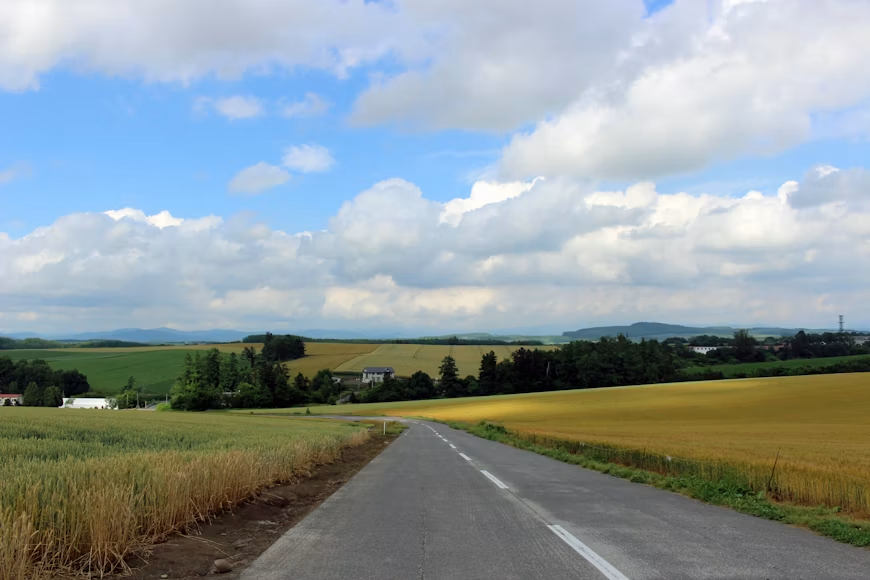
Most of Hokkaido’s population lives in Sapporo, while many other areas remain rural.
Large open landscapes, farmland, wetlands, and mountains leave plenty of space between towns. Compared with heavily urbanized regions, many parts of Hokkaido have less traffic and fewer sources of urban air pollution.
This doesn’t mean every day has perfect air quality, but it does help explain why many visitors feel the air is fresher.
Why Are the Roads in Hokkaido So Wide?
Hokkaido’s vast landscapes don’t just create breathtaking scenery—they also make it possible to build wide, open roads unlike anywhere else in Japan.
These spacious roads make driving safer, more relaxing, and one of the best ways to experience the island. Discover the story behind Hokkaido’s famously wide roads and why they are perfect for scenic road trips.
Read next: Why Are the Roads in Hokkaido So Wide? The Story Behind Japan’s Most Scenic Drives
National Parks Protect Hokkaido’s Natural Environment
Hokkaido is home to six national parks, including:
- Shiretoko National Park
- Daisetsuzan National Park
- Akan-Mashu National Park
- Kushiro-Shitsugen National Park
- Shikotsu-Toya National Park
- Rishiri-Rebun-Sarobetsu National Park
These protected areas help preserve forests, wetlands, wildlife, and natural landscapes for future generations.
When you visit these parks, you’re experiencing some of Japan’s best-preserved natural environments.
Clean Air Is Part of Everyday Life
For local residents, clean air is something they often take for granted.
People enjoy jogging along rivers, cycling through parks, camping under the stars, and spending weekends in nature. Visitors quickly discover that simply taking a walk can become one of the highlights of a trip.
Sometimes, the best attraction isn’t a famous landmark—it’s taking a deep breath.
Clean Air Creates Amazing Night Skies
One of the best rewards of Hokkaido’s clean air comes after the sun goes down.
With low levels of air pollution, wide open landscapes, and very little light pollution outside the cities, Hokkaido offers some of the most beautiful star-filled skies in Japan. On a clear night, you can see thousands of stars, the Milky Way, and even shooting stars if you’re lucky.
For me, the best place to experience this is Tokachi.
My Favorite Place to See the Stars: Tokachi
If you’re looking for an unforgettable stargazing experience, I highly recommend spending a night in Tokachi.
Unlike Japan’s major cities, Tokachi has vast open plains with very little artificial light. Combined with Hokkaido’s clean, dry air, the conditions are ideal for watching the night sky. Whether you’re staying at a countryside hotel, relaxing at a campground, or simply looking up after dinner, the view is breathtaking.
Seeing the Milky Way stretching across the sky is one of my favorite memories of Hokkaido, and it’s an experience I recommend to every traveler.
Why I Recommend It
- Excellent visibility thanks to clean air
- Very little light pollution
- One of Hokkaido’s best places for stargazing
- A peaceful way to experience Hokkaido’s nature
Check Hokkaido’s Air Quality in Real Time
One of my favorite travel tips is checking Hokkaido’s air quality before heading out.
The website Air Quality Map lets you see the real-time Air Quality Index (AQI) for cities across Hokkaido, including Sapporo, Hakodate, Asahikawa, Kushiro, and Wakkanai. It’s a simple way to compare air conditions and appreciate just how fresh Hokkaido’s air can be. The site uses official monitoring data provided by Japan’s environmental monitoring network.
Whether you’re planning a hike, a scenic drive, or a day of sightseeing, it’s a useful tool to check before you go.

Did You Know?
- About 70% of Hokkaido is covered by forests.
- Hokkaido has six national parks, more than any other prefecture in Japan.
- Hokkaido’s population density is much lower than that of Tokyo or Osaka.
- Summer humidity is generally lower than in much of mainland Japan.
- Many travelers notice the fresh air immediately after arriving at New Chitose Airport.
FAQ
Is Hokkaido’s air really cleaner than other parts of Japan?
Many rural areas in Hokkaido generally experience cleaner air because of abundant forests, lower population density, and fewer large urban areas. However, air quality can still vary depending on weather and local conditions.
When does the air feel the freshest?
Spring, autumn, and cool summer mornings are especially refreshing.
Which places have the cleanest air?
National parks such as Shiretoko, Daisetsuzan, and Akan-Mashu are known for their pristine natural environments.
Does Sapporo also have clean air?
Yes. Although Sapporo is Hokkaido’s largest city, it has many parks and green spaces, and nearby mountains help create a pleasant environment.
Can I enjoy outdoor activities year-round?
Yes. Hiking, cycling, skiing, camping, and wildlife watching are available throughout the year, depending on the season.
Visit It Yourself
Location
Fresh air can be enjoyed throughout Hokkaido, especially in:
- Daisetsuzan National Park(https://maps.app.goo.gl/12XQmXFuQ8eeDmzM9)
- Shiretoko National Park(https://maps.app.goo.gl/YisatB2wM1bxNH6j7)
- Furano(https://maps.app.goo.gl/4mKhGxkZebvir1QQ6)
- Biei(https://maps.app.goo.gl/Hpb27iAtrpAAnEVs7)
- Lake Shikotsu(https://maps.app.goo.gl/ytT8GGKU4vPqYuMZ6)
- Akan-Mashu National Park(https://maps.app.goo.gl/4Y7aqeWPuwpbxwDm7)
Best Season
- Summer (June–August) for cool, comfortable weather
- Autumn (September–October) for crisp air and colorful leaves
How to Get There
Fly into New Chitose Airport, then travel by train, rental car, or bus to explore different regions of Hokkaido.
Estimated Visit Time
Half a day to several days, depending on your destination.
Admission Fee
Most outdoor areas are free to visit.
Some visitor centers, ropeways, or attractions may charge admission.
Please check the official website for the latest information.
Official Website
- Hokkaido Official Tourism Website(https://www.visit-hokkaido.jp/)
- Japan National Tourism Organization (JNTO)(https://www.jnto.go.jp/)
- Ministry of the Environment National Parks of Japan(https://www.env.go.jp/park/)
Final Thoughts
Fresh air isn’t something most people plan a vacation around.
But in Hokkaido, it becomes one of the memories you’ll take home.
Whether you’re standing on a quiet mountain trail, walking through endless flower fields, or simply enjoying a peaceful morning in a small town, you’ll discover that Hokkaido’s greatest luxury isn’t found in a building or a museum.
It’s in every deep breath you take.



コメント