
My name is MAKO
Based in Sapporo, Hokkaido | Born and raised in Obihiro, Hokkaido | Lover of Sapporo Classic beer and fresh sashimi | Passionate about road trips and camping | Always chasing beautiful scenery
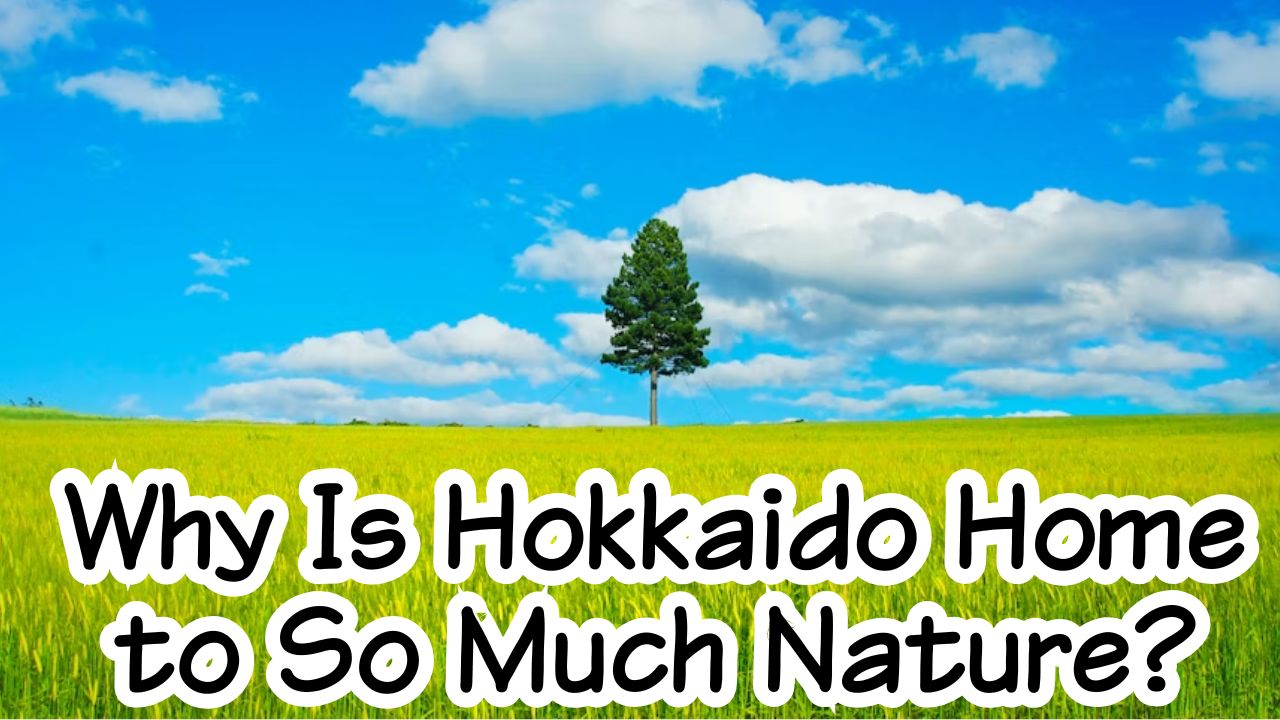
Why Is Hokkaido Home to So Much Nature?The Short Answer
Hokkaido is home to so much nature because it has a cool climate, vast protected land, active volcanoes, and a lower population than the rest of Japan.
Together, these factors have preserved one of the largest wilderness areas in East Asia.

Why You Should Care
Many visitors come to Hokkaido expecting beautiful scenery.
But once you understand why Hokkaido has such extraordinary nature, you’ll see every mountain, forest, lake, and flower field in a new way.
Instead of simply admiring the landscape, you’ll discover the powerful natural forces that have shaped this island for thousands of years.
Hokkaido Is Japan’s Last Great Wilderness
Hokkaido is Japan’s second-largest island, yet it has the country’s lowest population density among the main islands.
Because fewer people have settled here, vast forests, wetlands, rivers, and mountains have remained largely untouched.
Today, nearly one-quarter of Hokkaido is protected within national, quasi-national, or prefectural natural parks.
Volcanoes Created the Land
Mountains That Continue to Shape Hokkaido
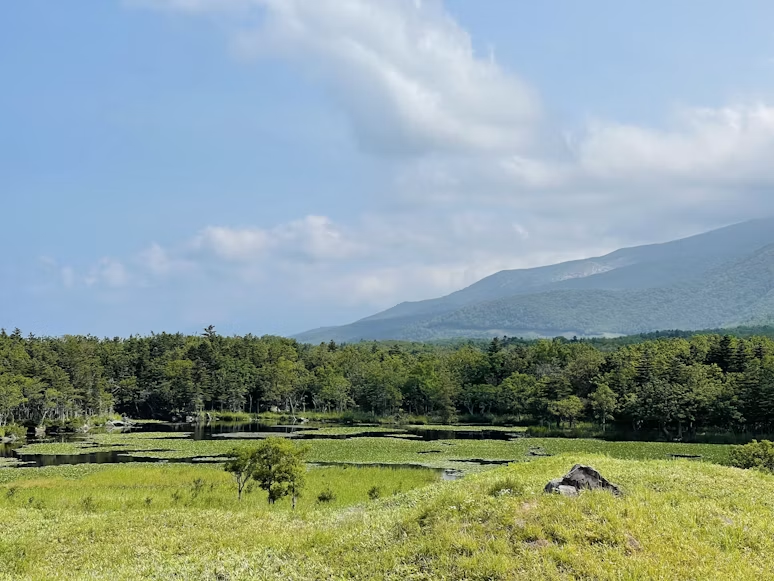
The dramatic landscapes of Hokkaido began with volcanoes.
Mountain ranges such as Daisetsuzan, Tokachidake, and Mount Yotei were formed by volcanic activity that continues today.
These volcanoes created fertile soil, beautiful lakes, and the rolling hills that make Hokkaido famous.
They also provide the geothermal energy that feeds many of the island’s natural hot springs.
Why Is Mount Yotei Called the Mount Fuji of Hokkaido?
Hokkaido’s mountains don’t just create spectacular scenery—they also shape the island’s history, climate, and ecosystems.
One of the most iconic examples is Mount Yotei, a perfectly shaped volcano often called the “Mount Fuji of Hokkaido.” Discover how this magnificent peak became one of the island’s most beloved natural landmarks.
Read next: Why Is Mount Yotei Called the Mount Fuji of Hokkaido? The Story Behind Hokkaido’s Most Beautiful Peak
Rich Soil Helps Nature Thrive
Volcanic ash is rich in minerals.
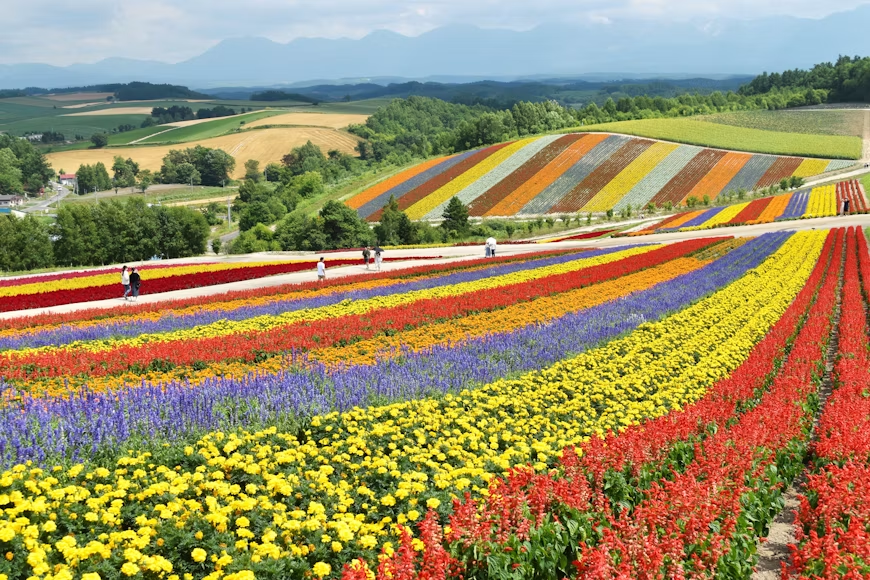
Over thousands of years, it has helped create fertile farmland and colorful flower fields like those in Biei and Furano.
The same soil also supports forests that are home to many wild animals.
Why Is Shikisai-no-Oka So Colorful?
Hokkaido’s rich volcanic soil helps create some of the island’s most beautiful flower fields. One of the best examples is Shikisai-no-Oka in Biei, where colorful flowers bloom across rolling hills every summer.
Learn how Hokkaido’s fertile land and cool climate make this breathtaking landscape possible.
Read next: Why Is Shikisai-no-Oka So Colorful? The Story Behind Biei’s Rainbow Hills
Four Distinct Seasons Create Constant Change
Hokkaido experiences four very different seasons.
Each one transforms the landscape:
- Spring: Cherry blossoms and fresh greenery
- Summer: Lavender fields, cool weather, and hiking
- Autumn: Brilliant red and golden leaves
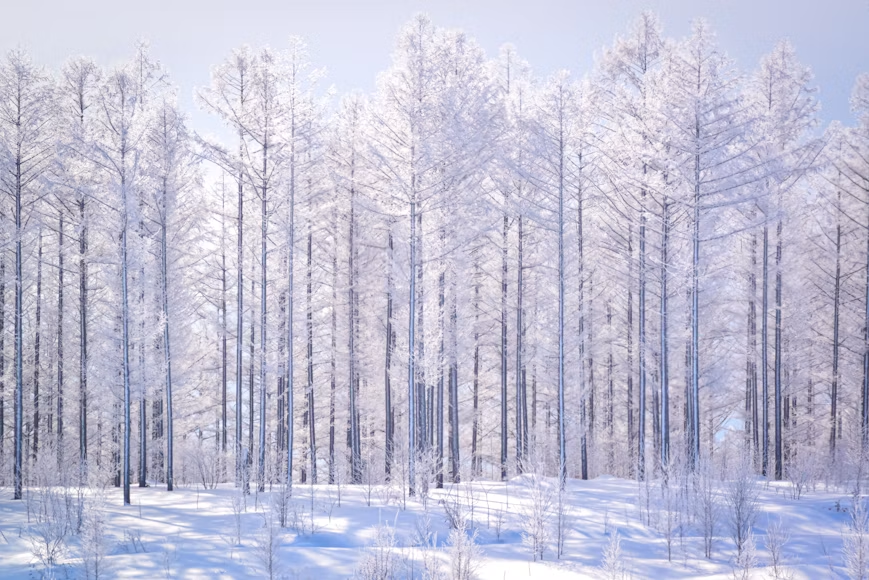
- Winter: Deep snow and frozen lakes
No matter when you visit, nature offers a completely different experience.
Wildlife Still Roams Freely
Unlike many parts of Japan, Hokkaido is still home to large wild animals.
Visitors may encounter:
- Hokkaido brown bears
- Red foxes
- Sika deer
- Red-crowned cranes
- Steller’s sea eagles
- Japanese pikas
These animals survive because Hokkaido still has large, connected natural habitats.
National Parks Protect This Natural Treasure
Hokkaido is home to some of Japan’s most spectacular national parks.
These include:
- Daisetsuzan National Park
- Shiretoko National Park (a UNESCO World Heritage Site)
- Akan-Mashu National Park
- Shikotsu-Toya National Park
- Kushiro-Shitsugen National Park
Together, these parks protect mountains, forests, wetlands, volcanic lakes, and coastlines for future generations.
Nature Shapes Everyday Life
Nature isn’t something separate from daily life in Hokkaido.
It influences:
- Local food and agriculture
- Fresh seafood
- Dairy farming
- Outdoor activities
- Festivals
- Hot springs
- Wildlife conservation
Even famous products like Hokkaido milk, melons, and lavender owe their quality to the island’s unique environment.
Nature is not just something people visit—it is part of everyday life.
Why Hokkaido Feels Different
Many travelers say Hokkaido doesn’t feel like the rest of Japan.
That’s because nature still takes center stage.
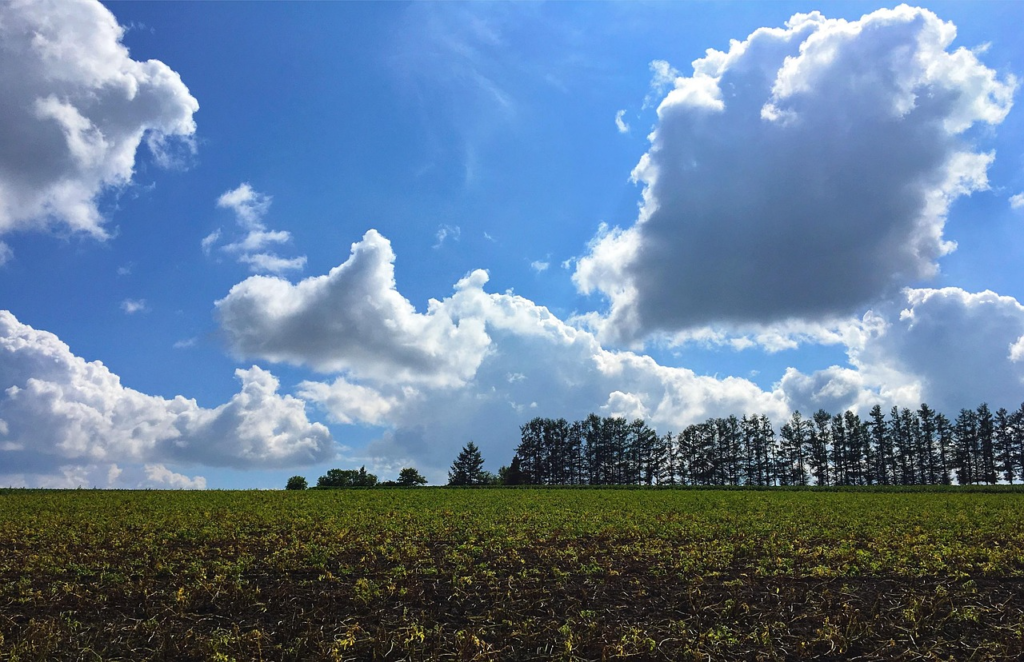
Here, roads pass through endless forests, mountains rise above flower fields, and wild animals still roam free.
Hokkaido reminds us what Japan looked like before modern cities spread across the country.
It’s a place where nature isn’t simply protected—it continues to shape life every day.
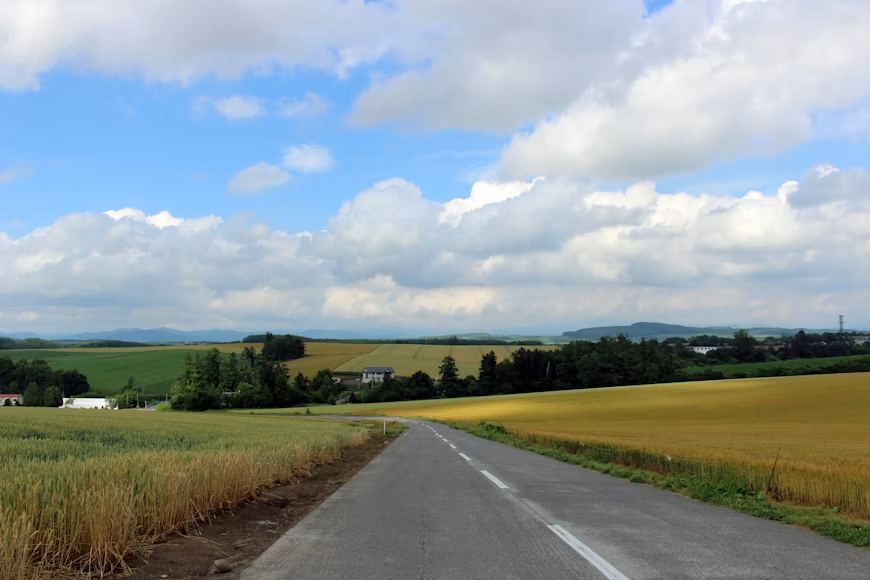
Even Hokkaido’s Biggest City Is Surrounded by Nature
When people think of a large city, they often imagine skyscrapers and busy streets. But Sapporo is different.
Although it is Hokkaido’s largest city, nature is never far away. Within the city, you’ll find beautiful parks such as Odori Park, Moerenuma Park, and Maruyama Park. Just a short drive from downtown, you can hike mountains, relax in hot springs, or enjoy spectacular views of forests and rivers. Sapporo is a city where urban life and nature exist side by side.
Did You Know?
- About 22% of Hokkaido’s land is protected as natural parks.
- Hokkaido is home to Japan’s largest national park, Daisetsuzan National Park.
- Shiretoko is one of Japan’s UNESCO World Heritage Sites.
- Hokkaido has over 500 natural hot spring areas.
- Some of Japan’s earliest autumn colors appear in Daisetsuzan.
FAQ
Why does Hokkaido have more nature than the rest of Japan?
Its cool climate, lower population density, protected land, and volcanic geography have helped preserve large natural areas.
Which national park should I visit first?
Daisetsuzan is ideal for mountain scenery, while Shiretoko offers dramatic wildlife and coastal landscapes.
Can I see wild animals in Hokkaido?
Yes. Brown bears, deer, foxes, cranes, and sea eagles can all be found in different parts of the island.
When is the best season for nature?
Every season has something unique, from lavender in summer to snow-covered landscapes in winter.
Is Hokkaido suitable for outdoor adventures?
Absolutely. Hiking, canoeing, cycling, wildlife watching, skiing, and hot spring visits are popular throughout the year.
Visit It Yourself
Location
Throughout Hokkaido, Japan(https://maps.app.goo.gl/CgGKYGi8SCAY8ndc8)
Best Season
- Spring for fresh greenery
- Summer for flowers and hiking
- Autumn for colorful foliage
- Winter for snow landscapes
How to Get There
Fly into New Chitose Airport, Asahikawa Airport, Memanbetsu Airport, or other regional airports.
Rental cars are highly recommended for exploring nature.
Estimated Visit Time
At least 5–10 days to experience several regions.
Admission Fee
Most natural areas are free.
Some attractions, ropeways, or visitor facilities charge separate admission.
Please check the official website for the latest information.
Official Website
- Hokkaido Official Tourism Website(https://www.visit-hokkaido.jp/)
- Japan National Tourism Organization (JNTO)(https://www.jnto.go.jp/)
- Ministry of the Environment – National Parks of Japan(https://www.env.go.jp/park/)
Final Thoughts
Hokkaido’s greatest attraction isn’t just one mountain, one lake, or one flower field.
It’s the incredible connection between them all.
Volcanoes created the land. Forests protected wildlife. Rivers nourished farms. Seasons painted the landscape with ever-changing colors.
When you visit Hokkaido, you’re not simply exploring beautiful scenery.
You’re stepping into one of the last great wildernesses in Japan—a place where nature continues to tell its own story.


コメント