
My name is MAKO
Based in Sapporo, Hokkaido | Born and raised in Obihiro, Hokkaido | Lover of Sapporo Classic beer and fresh sashimi | Passionate about road trips and camping | Always chasing beautiful scenery
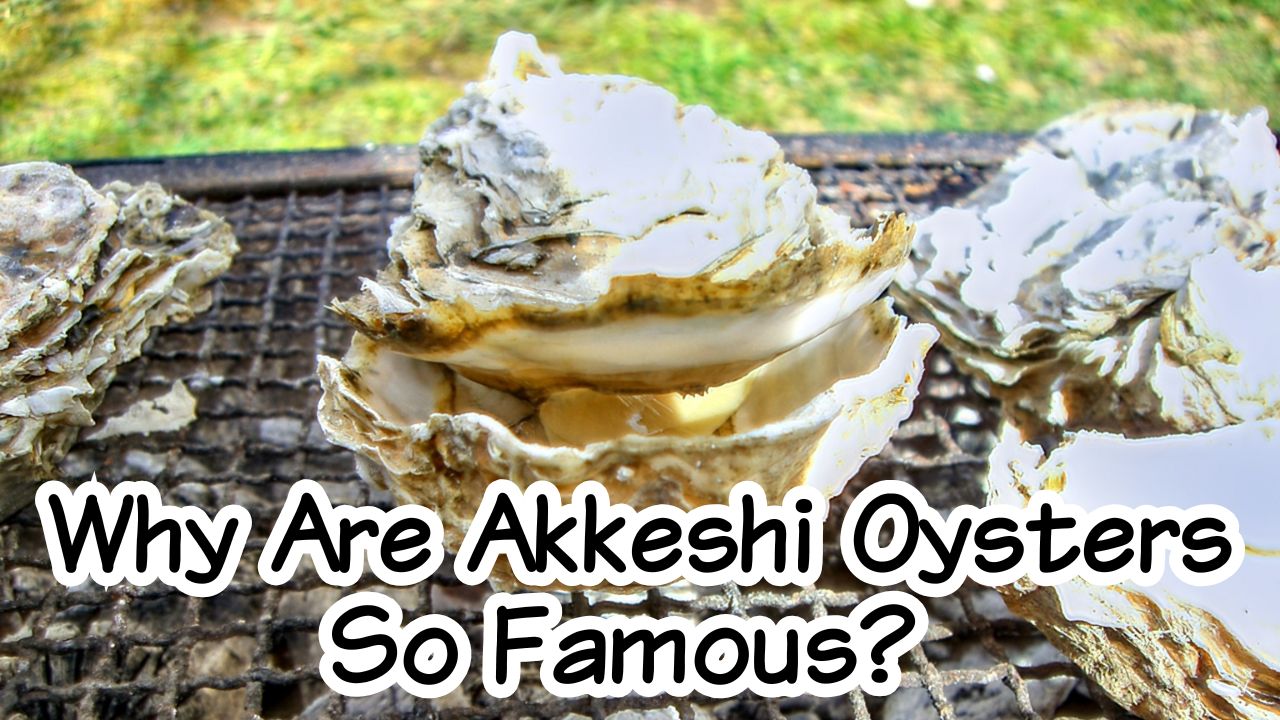
Why are Akkeshi oysters so famous?The Short Answer
Akkeshi oysters are famous because they grow slowly in the cold, nutrient-rich waters of eastern Hokkaido, giving them a rich flavor and plump texture. Even more surprisingly, Akkeshi can ship oysters throughout the year by taking advantage of its unusually cool marine environment.
But the real story is bigger than taste. Akkeshi has spent generations protecting, farming, and improving its oysters, turning them into part of the town’s identity.

Why You Should Care
If you love seafood, you may already know that Hokkaido is one of the best places in Japan to eat it.
But eating an oyster in Akkeshi is different from simply ordering one at a restaurant in Sapporo or Tokyo.
Here, you can actually see the cold bay and lake where the oysters grow. You can learn why the surrounding forests and rivers matter. And then you can sit down and taste the result.
Once you understand that connection, an oyster is no longer just an oyster.
It becomes a taste of eastern Hokkaido.
Why Akkeshi Oysters Taste Different
Akkeshi is located in eastern Hokkaido, where Akkeshi Bay connects with Akkeshi Lake.
Akkeshi Lake is a brackish lake. This means freshwater and seawater mix together.
The Bekanbeushi River carries nutrients from forests and wetlands into the lake. At the same time, seawater enters from the Pacific Ocean. This environment provides the plankton and nutrients that oysters need to grow.
Cold Water Helps Akkeshi Oysters Grow Slowly
Cold water is another important part of the story.
Eastern Hokkaido stays cool even in summer, and parts of the waters around Akkeshi are strongly influenced by cold currents. Oyster growth and maturation can therefore be managed differently from many warmer oyster-producing areas.
The oysters grow slowly while continuing to take in nutrients.
The result is the thick, plump meat and rich flavor that Akkeshi oysters are known for.
Why Can You Eat Akkeshi Oysters All Year?
This is perhaps the biggest reason Akkeshi stands out.
Most people in Japan associate oysters with the colder months. Pacific oysters usually reproduce during warmer periods, and their condition changes through the year.
Akkeshi, however, has exceptionally cool waters.
By using different local farming areas and taking advantage of waters that stay relatively cold even during summer, producers can manage the oysters’ maturation and continue shipping them throughout the year. Hokkaido’s official information describes the Akkeshi Fisheries Cooperative as being able to ship oysters year-round.
So if you visit Hokkaido in July or August, you do not necessarily have to wait for winter.
You can still make oysters part of your trip.
Does That Mean Every Season Tastes Exactly the Same?
Not quite.
An oyster is a living animal, so its condition can change depending on the season, water temperature, size, and farming method.
That is part of the fun.
Instead of asking, “Is this the oyster season?” try asking what kind of Akkeshi oyster is best right now.
That simple question can turn lunch into a much more interesting local experience.
You Can Even Try Akkeshi Oysters in Sapporo
If you don’t have time to travel all the way to Akkeshi, don’t worry—you may still have the chance to taste its famous oysters in Sapporo.
Every autumn, the Sapporo Autumn Fest brings together food from across Hokkaido, and Akkeshi is often one of the featured destinations. Fresh oysters, grilled seafood, and other local specialties are served, giving visitors a chance to experience the flavors of Akkeshi without leaving the city.
If you’re visiting Hokkaido in September, it’s one of the best places to enjoy Akkeshi oysters.
Akkeshi Has Been an Oyster Town for Centuries
Akkeshi’s relationship with oysters did not begin with modern tourism.
Records from the Dutch ship Castricum, which visited the area in 1643, suggest that oysters were already an important local food at that time.
There is even a theory that the name “Akkeshi” comes from an Ainu expression connected with oysters. However, other explanations of the place name also exist, so it is better not to treat the oyster interpretation as certain.
Either way, oysters have been connected with this coast for a very long time.
How Overfishing Nearly Changed the Story of Akkeshi Oysters
The history was not always easy.
Around the late 19th century, heavy harvesting caused natural oyster stocks to fall sharply. Akkeshi responded by developing methods to protect and cultivate its oyster resources rather than depending only on wild oysters.
Then another major problem came in 1983.
Large numbers of oysters died in farming grounds using bottom-culture methods. This encouraged a greater shift toward suspended cultivation, where oysters are raised in the water rather than simply being grown on the lake bottom.
In other words, the oysters you eat today are part of a long story of adaptation.
Akkeshi did not become famous simply because nature happened to give it good oysters.
Local producers had to learn how to protect them.
How Akkeshi Created Its Own Oyster: Kakiemon
One of the most interesting chapters began in 1999, when the Akkeshi Oyster Seed Center started producing oyster seed locally.
This helped create Kakiemon, an oyster that is born and raised in Akkeshi.
What Is the Single-Seed Method?
Kakiemon is produced using a method called single-seed cultivation.
Instead of allowing many young oysters to grow together on one large shell, each young oyster starts separately on a tiny piece of shell material.
The oysters are later placed in baskets.
As they move inside the baskets with the water, they tend to develop rounded, deeper shells with thick meat inside.
Akkeshi introduced this cultivation approach after learning from Clarence in Australia, a place with which Akkeshi developed a sister-city relationship.
It is a wonderful example of how a small Hokkaido fishing town combined local nature with ideas from overseas.
Kakiemon, Maruemon, and Benten-kaki: What Is the Difference?
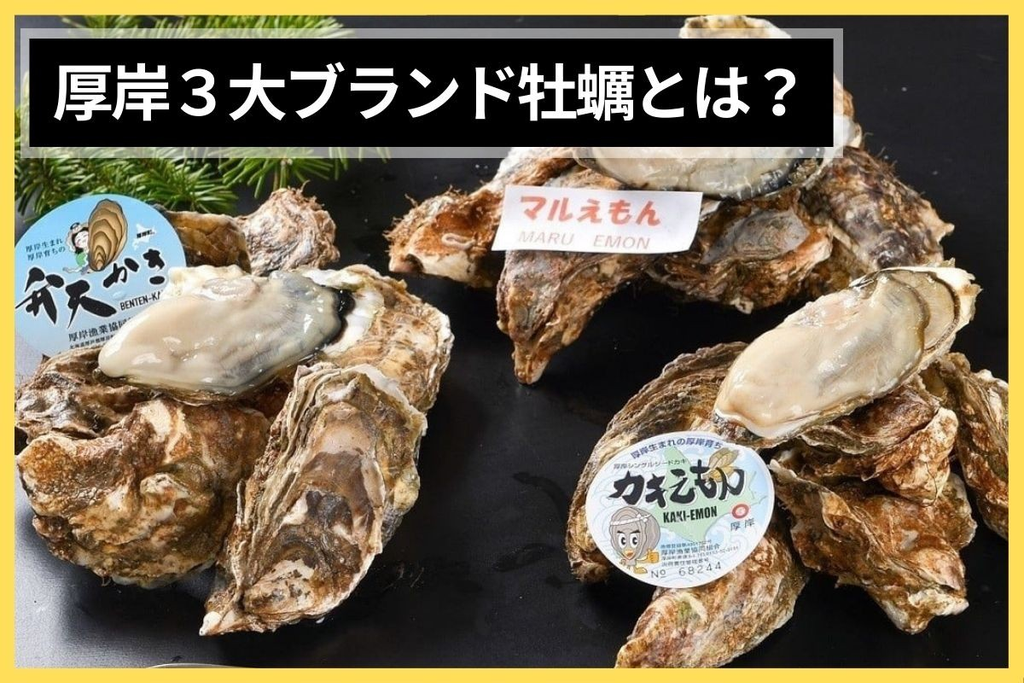
When you eat oysters in Akkeshi, you may see several names.
Kakiemon
Kakiemon is born and raised in Akkeshi and uses the single-seed cultivation method.
It is often relatively compact, with a deep shell and thick meat.
Maruemon
Maruemon is a well-known Akkeshi oyster raised from young oysters originally sourced from the Sanriku region and then grown in Akkeshi’s waters.
It is a classic choice and can be enjoyed raw, steamed, grilled, or in cooked dishes.
Benten-kaki
Benten-kaki is another oyster born and raised entirely in Akkeshi.
The brand began shipping in 2016. Unlike Kakiemon’s single-seed method, young Benten oysters are first attached in groups to scallop shells before being raised further in local waters.
If several types are available during your visit, try comparing them.
It is one of the easiest ways to understand that oysters from the same town can still have different personalities.
Why Forests Matter to the Oysters in Akkeshi
Here is something you may not expect.
A good oyster does not begin only in the ocean.
It can begin far upstream.
Water from the forests and wetlands of the Bekanbeushi River system flows toward Akkeshi Lake. The nutrients carried by this water help support the rich aquatic ecosystem on which shellfish depend.
This is why the landscape around Akkeshi matters.
The forest, river, wetland, lake, and sea are connected.
When you look across Akkeshi Lake, you are looking at more than beautiful scenery.
You are looking at part of the oyster’s kitchen.
How Akkeshi Keeps Raw Oysters Safe
Because many visitors want to eat oysters raw, food safety is especially important.
According to Hokkaido’s Kushiro General Subprefectural Bureau, oysters harvested in Akkeshi are kept for 48 hours in seawater treated with ultraviolet sterilization before shipment. Regular food inspections are also carried out.
This behind-the-scenes work is easy to miss.
But it is another reason Akkeshi’s oyster culture is about much more than simply catching seafood.
Modern oyster production combines nature, farming skill, science, and careful quality management.
Where Should You Eat Akkeshi Oysters?
For a first visit, one of the easiest places to understand Akkeshi’s oyster culture is Akkeshi Gourmet Park / Michi-no-Eki Akkeshi Conchiglie.
The building itself was designed with oysters in mind. Inside, you can find restaurants, an oyster bar, local products, fresh seafood, and a charcoal-grill area where seafood purchased from the market can be cooked and enjoyed.
Depending on availability, you may also find different Akkeshi oyster brands offered side by side.
That makes Conchiglie a good introduction for travelers who want to taste first and learn at the same time.
Akkeshi Loves Oysters So Much It Celebrates Them
Oysters are not simply a product here.
They are part of local life.
Akkeshi holds oyster-related festivals, including the spring Akkeshi Sakura & Oyster Festival and an autumn oyster festival at Nenohi Park. Visitors can buy seafood and, at the autumn event, use grills to enjoy it on the spot.
Festival dates change from year to year.
Please check the official website for the latest information.
There may be few better ways to understand an oyster town than eating oysters outdoors while surrounded by people who have grown up with them.
Did You Know?
- Akkeshi oysters can be shipped throughout the year. The area’s unusually cold water helps producers manage oyster maturation even in summer.
- Oysters were already part of life in Akkeshi centuries ago. A European voyage record from 1643 provides evidence of their importance in the area.
- Kakiemon is born and raised in Akkeshi. It is produced with a single-seed farming method introduced with knowledge from Australia.
- Benten-kaki is also completely Akkeshi-born and raised. Commercial shipments began in 2016.
- A plant is named after Akkeshi too. Akkeshiso, also known as glasswort or coral grass in Japanese, was first discovered in the area on Kakijima, or “Oyster Island.”
FAQ
Can I Eat Akkeshi Oysters in Summer?
Yes. One of Akkeshi’s unusual features is its ability to ship oysters throughout the year, including summer.
Availability of individual brands and sizes can still change, so check what is being served when you arrive.
Are Akkeshi Oysters Better Raw or Cooked?
Both are worth trying.
Raw oysters let you notice their freshness, saltiness, sweetness, and creamy texture. Steamed or grilled oysters can bring out even more richness.
If possible, try them in two different ways.
What Is the Most Famous Akkeshi Oyster?
Kakiemon is one of the best-known brands because it is born and raised in Akkeshi using the single-seed cultivation method.
However, Maruemon and Benten-kaki are also important parts of Akkeshi’s oyster culture.
Can I Buy Akkeshi Oysters as a Souvenir?
Fresh oysters and oyster products are available locally, including at seafood shops and Conchiglie.
If you plan to travel for several days afterward, ask the shop about refrigeration, shipping, and how long the product can safely be kept.
When Is the Best Time to Visit Akkeshi for Oysters?
You can enjoy oysters throughout the year.
Spring and autumn are especially interesting because Akkeshi traditionally holds oyster-related festivals. Exact schedules change each year, so check the official tourism information before your trip.
Visit It Yourself
Location
Akkeshi Town, eastern Hokkaido
For first-time visitors, Akkeshi Gourmet Park / Michi-no-Eki Akkeshi Conchiglie is an easy place to begin.
Best Season
Year-round
Choose spring or autumn if you would also like to experience an oyster festival. Summer is especially interesting if you want to experience the surprise of eating fresh oysters during a season when many travelers do not expect them.
How to Get There
From Kushiro, driving to Conchiglie takes about one hour via National Route 44.
By train, take the JR Hanasaki Line to Akkeshi Station. Conchiglie is about a 10-minute walk from the station.
Estimated Visit Time
1.5–3 hours for an oyster meal, shopping, and enjoying Conchiglie.
Allow half a day or longer if you also want to explore Akkeshi’s scenery and wetlands.
Admission Fee
There is no general admission fee simply to enter Conchiglie, although meals, shopping, and individual experiences cost extra.
Official Website
Akkeshi Gourmet Park / Conchiglie Official Website
Opening days and restaurant hours may change.
Please check the official website for the latest information.
Final Thoughts
Akkeshi oysters are famous because nature has given this corner of Hokkaido something special.
Cold seas, freshwater from forests and wetlands, and rich coastal ecosystems create excellent conditions for oysters.
But nature is only half of the story.
The people of Akkeshi faced declining natural stocks, changed farming methods, introduced new technology, created locally born oyster brands, and built an entire food culture around this small shellfish.
That is what makes eating an oyster here different.
When you lift an Akkeshi oyster from its shell, you are tasting the lake, the sea, the forests, and generations of local knowledge at the same time.
And that is exactly the kind of story worth knowing before you travel.








コメント