
My name is MAKO
Based in Sapporo, Hokkaido | Born and raised in Obihiro, Hokkaido | Lover of Sapporo Classic beer and fresh sashimi | Passionate about road trips and camping | Always chasing beautiful scenery
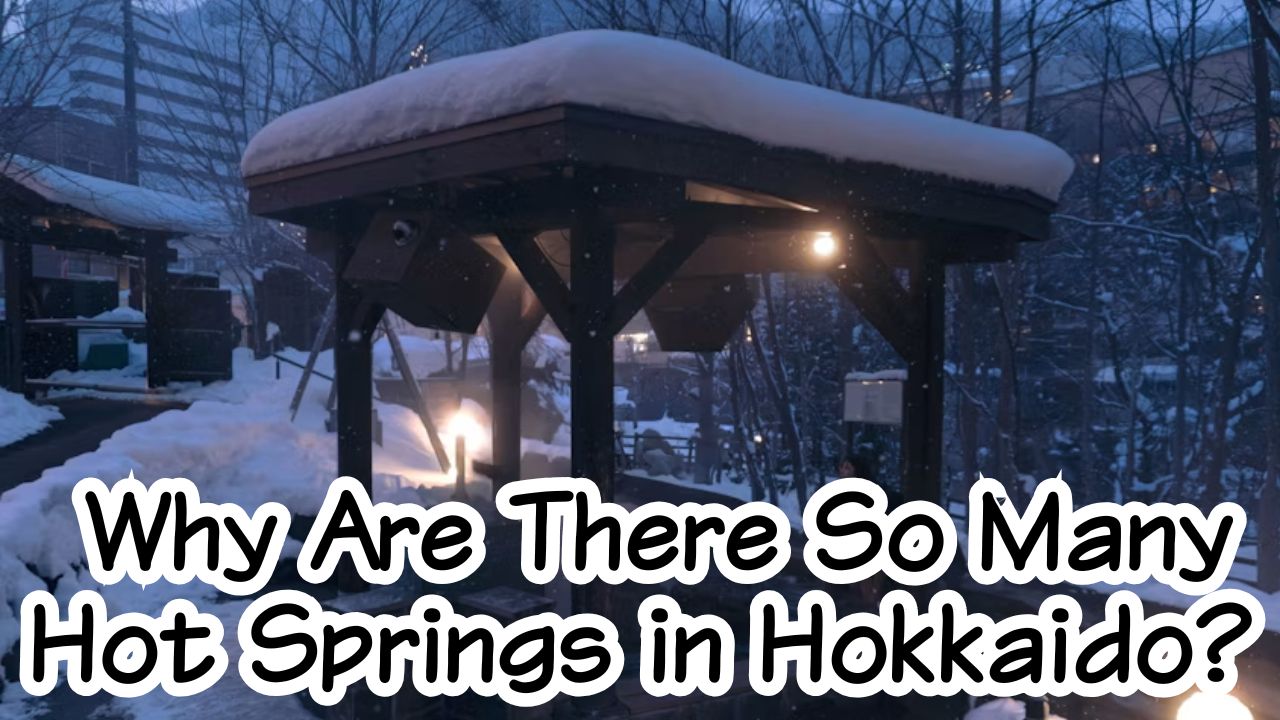
Why Are There So Many Hot Springs in Hokkaido?
Hokkaido has so many hot springs because it lies on one of the world’s most active volcanic regions.
Underground heat, rainwater, and unique geological conditions work together to create hundreds of natural onsen across the island.

Why You Should Care
Few experiences capture the spirit of Hokkaido better than soaking in a hot spring while snow falls quietly around you.
But the water filling those outdoor baths has been on an incredible journey beneath the earth for years—sometimes even decades.
Once you understand where Hokkaido’s hot springs come from, every visit becomes more than a relaxing bath. It becomes a chance to experience one of nature’s greatest gifts.
Why Is Hokkaido a Paradise for Hot Springs?
Hokkaido is home to more than 250 hot spring areas, making it one of Japan’s greatest onsen destinations.
From famous resorts like Noboribetsu and Jozankei to hidden mountain baths deep in national parks, hot springs can be found almost everywhere.
But this isn’t a coincidence.
The answer lies deep beneath your feet.
Hokkaido Sits on the Pacific Ring of Fire
Hokkaido is located on the Pacific Ring of Fire, one of the world’s most active volcanic zones.
Beneath the island, enormous forces are constantly shaping the landscape.
Although many volcanoes appear peaceful today, heat from underground magma continues to warm groundwater far below the surface.
That underground heat is the first ingredient needed to create a hot spring.
How Does a Hot Spring Form?
Many visitors imagine hot spring water coming directly from a volcano.
The real story is even more fascinating.
It Starts as Rain and Snow
Every drop of onsen water begins as ordinary rain or snow.
Over many years, the water slowly seeps through layers of rock deep underground.
As it travels downward, it is naturally filtered while absorbing minerals from the surrounding rocks.
Eventually, it reaches areas heated by geothermal energy beneath the earth.
There, the water becomes hot before rising back to the surface through natural cracks and faults.
The water you enjoy today may have started its journey decades ago.
Every Hot Spring Is Different
No two hot springs are exactly the same.
Because underground rocks differ from place to place, each hot spring contains its own unique mix of minerals.
Some waters are rich in sulfur, giving them a distinctive smell.
Others contain iron, making the water appear reddish-brown.
Some are clear and silky, while others are milky white or emerald green.
That’s why visiting different hot springs across Hokkaido is such a unique experience.
Volcanoes Have Shaped Hokkaido for Thousands of Years
The volcanoes that created Hokkaido’s mountains also created many of its famous hot springs.
Without volcanic activity, places like Noboribetsu, Toyako, Kawayu, and Tokachidake would be very different.
Over thousands of years, eruptions shaped valleys, lakes, mountains—and the underground pathways that allow hot spring water to reach the surface.
Nature was building Hokkaido’s onsen long before people ever arrived.
Living with Volcanoes
For the people of Hokkaido, volcanoes have always been both powerful and beneficial.
They remind us of nature’s strength, but they also provide one of the island’s greatest treasures.
Many famous hot spring towns grew around these geothermal resources, becoming places where travelers could rest, heal, and connect with nature.
Today, these communities continue to welcome visitors from around the world.
Why Is Noboribetsu Hell Valley Called “Hell”?
Hokkaido’s many hot springs are powered by the island’s active volcanic landscape.
One of the best places to witness this incredible geothermal activity is Noboribetsu Hell Valley, where steaming vents, bubbling pools, and dramatic volcanic scenery reveal the powerful forces beneath the earth.
Discover why this extraordinary place is called “Hell” and how it became Hokkaido’s most famous hot spring destination.

More Than a Bath—A Tradition of Relaxation
For Japanese people, an onsen is much more than a place to wash.
It is a place to slow down.
To reconnect with nature.
To spend time with family and friends.
And simply to relax.
This philosophy is especially easy to understand in Hokkaido.
Imagine sitting in an outdoor bath as snowflakes quietly fall around you.
The air is cold.
The water is warm.
Steam rises into the winter sky.
In that moment, you aren’t just enjoying hot water.
You’re experiencing a tradition that has brought comfort to people for generations.
Why You Should Experience a Hot Spring While Traveling in Hokkaido
A trip to Hokkaido isn’t complete without visiting an onsen.
Whether you’re hiking through a national park, skiing in Niseko, or exploring a historic town, chances are a natural hot spring is waiting nearby.
Each onsen offers something different. Some overlook peaceful lakes, others sit deep in the mountains, and many feature beautiful outdoor baths where you can enjoy the changing seasons.
Every Season Offers a Different Experience
One of the best things about Hokkaido’s hot springs is that they can be enjoyed throughout the year.
- 🌸 Spring: Fresh green leaves and blooming flowers surround many outdoor baths.
- ☀️ Summer: Mountain breezes and cool evenings make open-air baths especially refreshing.
- 🍁 Autumn: Colorful fall foliage creates breathtaking scenery.
- ❄️ Winter: Snow-covered landscapes make outdoor hot springs unforgettable.
No matter when you visit, nature becomes part of the experience.
Finding the Onsen That’s Right for You
Hokkaido offers every type of hot spring imaginable.
Looking for luxury? Stay at a traditional ryokan with a private outdoor bath.
Traveling on a budget? Many public bathhouses and day-use onsen offer an authentic experience at an affordable price.
Some hot springs are famous for dramatic volcanic scenery, while others are hidden in quiet forests where you can simply relax and enjoy the silence.
Whatever you’re looking for, there’s an onsen that matches your travel style.
My Top 3 Hot Springs in Hokkaido
Hokkaido is home to thousands of hot springs, each offering a unique experience.
If you’re wondering where to start, here are my three personal favorites. From mountain retreats to lakeside baths and rare natural springs, each one showcases a different side of Hokkaido’s incredible onsen culture.
Hoheikyo Onsen – A Mountain Retreat Surrounded by Nature
Hoheikyo Onsen is one of my favorite places to relax near Sapporo.
Nestled in the mountains, it features one of Japan’s largest open-air baths surrounded by beautiful forests. The hot spring water flows directly from the source without dilution, offering an authentic Japanese onsen experience.
Why I Recommend It
- One of Japan’s largest open-air baths
- 100% natural hot spring water
- Beautiful mountain scenery in every season
- A perfect day trip from Sapporo
Address
608-2 Jozankei, Minami-ku, Sapporo(https://maps.app.goo.gl/CfxxwJTJFiB2KeTEA)
Access
- About 60 minutes by car from central Sapporo
- About 75 minutes by bus from Sapporo Station
Marukoma Onsen – A Lakeside Hot Spring with Amazing Views
Located on the shores of Lake Shikotsu, Marukoma Onsen offers one of Hokkaido’s most unique bathing experiences.
The outdoor bath sits beside the lake, and its water level naturally rises and falls with the lake itself, creating a truly unforgettable setting.
Why I Recommend It
- Unique lakeside open-air bath
- Water level changes naturally with Lake Shikotsu
- Spectacular scenery throughout the year
- Peaceful atmosphere away from the crowds
Address
Shikotsuko Poropinai 7, Chitose(https://maps.app.goo.gl/viiPjHRTkghWmCCD7)
Access
- About 70 minutes by car from central Sapporo
- About 40 minutes by car from New Chitose Airport
Hokkaido Hotel – Experience the Famous Moor Hot Spring
Hokkaido Hotel is one of the best places to experience Moor Onsen, a rare hot spring found mainly in the Tokachi region.
Rich in ancient plant-based organic minerals, the silky-smooth water is often called a “beauty bath” and is loved by both locals and visitors.
Why I Recommend It
- Famous Moor Onsen with silky-soft water
- One of Japan’s rarest hot spring types
- Excellent hotel, restaurant, and spa facilities
- Perfect base for exploring the Tokachi region
Address
19-1 Nishi 7-jo Minami, Obihiro(https://maps.app.goo.gl/qvGP6MV3CN7QoX9KA)
Access
- About 5 minutes by car from Obihiro Station
- About 35 minutes by car from Tokachi-Obihiro Airport
No Time for a Hot Spring? Try New Chitose Airport Onsen
Hokkaido is home to countless amazing hot springs, but not every traveler has time to visit a traditional onsen resort.
If your schedule is tight, I highly recommend New Chitose Airport Onsen. Located inside New Chitose Airport, it’s the perfect place to relax before your flight or after arriving in Hokkaido. You can enjoy a soothing hot spring bath without making a special trip to a resort town.
It’s a wonderful way to experience one of Hokkaido’s greatest traditions, even if you’re short on time.
Why I Recommend It
- Located inside New Chitose Airport
- Perfect before departure or after arrival
- No need to travel to a hot spring resort
- A relaxing way to end your Hokkaido adventure
Why Is New Chitose Airport So Famous?
New Chitose Airport is much more than a transportation hub. From hot springs and local gourmet food to shopping and entertainment, it’s a destination worth exploring on its own. Discover why many travelers arrive early—or stay longer—at Hokkaido’s busiest airport.
Read next: Why Is New Chitose Airport So Famous? The Story Behind Hokkaido’s Gateway to Adventure

Did You Know?
- ♨️ Hokkaido is home to more than 250 hot spring areas, making it one of Japan’s top onsen destinations.
- 🌋 Most of Hokkaido’s hot springs are heated by geothermal energy from volcanic activity beneath the island.
- 💧 Every hot spring has a unique mineral composition, giving each one its own color, scent, and feel.
- ❄️ Winter is one of the most popular seasons to enjoy outdoor hot springs in Hokkaido.
- 🏔️ Some of Hokkaido’s most famous onsen towns have been welcoming visitors for over a century.
FAQ
Why does Hokkaido have so many hot springs?
Hokkaido lies on the Pacific Ring of Fire, where volcanic activity heats underground water. This natural process creates hundreds of hot springs across the island.
Which hot spring town is the most famous in Hokkaido?
Noboribetsu Onsen is the best-known hot spring resort in Hokkaido, famous for its volcanic landscape and a wide variety of mineral-rich waters.
Can I enjoy hot springs in every season?
Yes. Each season offers a different atmosphere, from cherry blossoms in spring to colorful autumn leaves and snowy winter landscapes.
Do I need to stay overnight at a hot spring hotel?
Not necessarily. Many hot spring facilities welcome day visitors, allowing you to enjoy the baths without booking a room.
Are there any hot spring etiquette rules?
Yes. Guests should wash their bodies before entering the bath, avoid wearing swimsuits unless specifically permitted, and keep towels out of the water. Following these simple customs helps everyone enjoy the experience.
Visit It Yourself
Location
Hot spring resorts can be found throughout Hokkaido, including Noboribetsu, Jozankei, Lake Toya, Kawayu, Tokachigawa, and Sounkyo.
Best Season
Year-round. Winter is especially popular for enjoying open-air baths surrounded by snow.
How to Get There
Many major hot spring towns are accessible by train, bus, or rental car from Sapporo and New Chitose Airport.
Estimated Visit Time
2–4 hours for a day trip, or one to two nights for a relaxing stay.
Admission Fee
Varies by facility. Day-use hot springs typically charge an admission fee, while overnight stays include access to the baths.
Official Website
- Hokkaido Official Tourism Website(https://www.pref.hokkaido.lg.jp/kz/kkd/)
Please check the official website for the latest information.
Final Thoughts
Hokkaido’s hot springs are more than warm places to relax.
They are the result of thousands of years of volcanic activity, shaped by the forces beneath the earth and cherished by generations of people.
Every bath tells a story.
A story of mountains and magma.
Of rainwater slowly traveling underground.
Of communities that grew around these natural treasures.
So, when you sink into a steaming outdoor bath and watch the snow fall quietly around you, remember that you’re experiencing something far older than any hotel or resort.
You’re connecting with the very landscape that made Hokkaido what it is today.
Because every hot spring has a story. And every story begins with a “Why?”




コメント