

My name is MAKO
Based in Sapporo, Hokkaido | Born and raised in Obihiro, Hokkaido | Lover of Sapporo Classic beer and fresh sashimi | Passionate about road trips and camping | Always chasing beautiful scenery
Why Are Clione Called the Angels of Drift Ice?The Short Answer
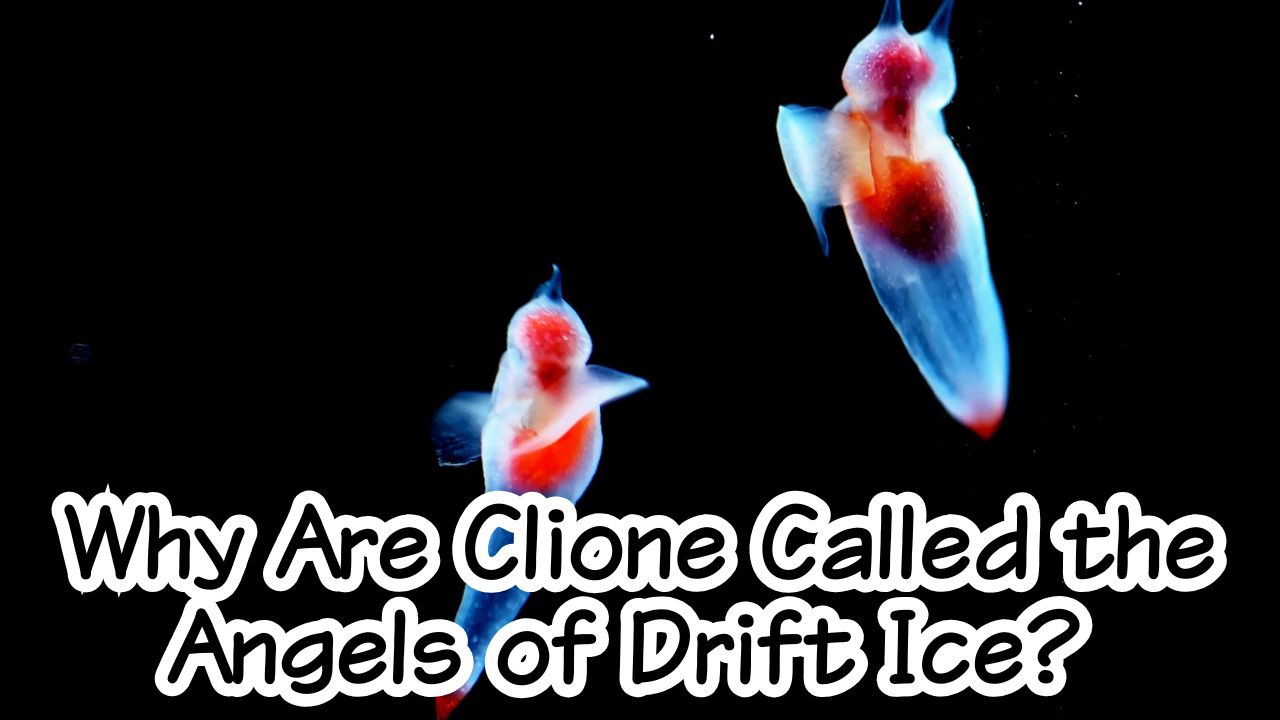
Clione are called the “angels of drift ice” because their transparent bodies and two wing-like swimming parts make them look like tiny angels floating through the cold sea.
Along Hokkaido’s Okhotsk coast, they are closely associated with the winter drift-ice season. But despite their cute appearance, Clione are actually small predatory mollusks related to snails.

Why You Should Care
Drift ice is one of eastern Hokkaido’s great winter sights.
But the frozen surface is only half of the story.
Under that ice lives a cold-water ecosystem filled with tiny creatures. One of its most famous symbols is the Clione.
Knowing what this strange little animal really is makes a winter trip to Abashiri, Monbetsu, or the Okhotsk coast much more interesting.
And the biggest surprise?
The “angel” has a surprisingly fierce way of eating.
The Story Behind It
Why Do Clione Look Like Tiny Angels?
Watch a Clione swim and its nickname makes sense immediately.
Its body is almost transparent, while two flat structures move up and down like wings. These are called parapodia. They developed from the muscular foot found in other gastropods such as snails.
Clione at the Okhotsk Drift Ice Science Center range from about 5 to 30 millimeters long, so the “angel” floating in front of you can be smaller than your little finger.
What Is a Clione, Really?
It may look like a jellyfish.
It is not.
A Clione is a gastropod mollusk—a relative of snails and sea slugs. Sea angels are essentially shell-less swimming snails.
Their transparent bodies also let you see reddish or orange internal organs inside.
So that bright red area often visible in Clione photographs is not simply a decorative “heart.” The color comes from internal organs and pigments visible through the clear body.
That makes the animal even stranger.
It looks simple from the outside, but you are actually looking through much of its body.
Why Are Clione Connected With Hokkaido’s Drift Ice?
Clione live in cold ocean waters, and the southern Sea of Okhotsk provides an ideal place to connect them with Hokkaido’s famous winter ice.
Research on the southern Okhotsk coast found small winter Clione close to shore mainly from January to March, while larger individuals appeared farther offshore from spring into summer.
At the same time, drift ice reaches the coast of northeastern Hokkaido during winter. The Okhotsk Drift Ice Science Center describes Clione as creatures that appear together with the drift-ice season, which helped create the Japanese nickname “ryuhyo no tenshi” — “angel of drift ice.”
They do not spend their lives sitting inside blocks of ice.
The connection comes from the same cold marine environment and the striking winter season in which people encounter them.
What Happens When a Cute Clione Gets Hungry?
This is where the angel changes personality.
Clione are predators.
When hunting, a Clione can extend six structures called buccal cones from its head to capture prey. Research on Clione describes these structures grabbing shelled pteropods, while hooks and a radula help pull the prey from its shell.
Its main prey includes tiny swimming snails known as sea butterflies.
The transformation is so dramatic that the Okhotsk Drift Ice Science Center specifically shows footage of feeding Clione because visitors are often surprised by how different they look.
Cute while swimming.
A little terrifying while eating.
That contrast may be the most unforgettable thing about Clione.
Hokkaido Even Helped Scientists Discover a New Clione Species
The Okhotsk Sea still has secrets.
Researchers studying Clione collected near Monbetsu in eastern Hokkaido identified a new species called Clione okhotensis. The species was formally described in 2017, and its known locations were in the southern Sea of Okhotsk.
It is much smaller than the familiar larger Clione, reaching only about 8 millimeters in the original description.
The Okhotsk Drift Ice Science Center has also displayed this locally discovered species alongside other Clione.
So Hokkaido is not only a place where travelers can see Clione.
It is also a place where scientists are still learning about them.
You Can Even See Clione in Sapporo
If you don’t have time to travel all the way to the Sea of Okhotsk, you can still meet Clione in Sapporo.
Sunpiazza Aquarium
Located in the Shin-Sapporo area, Sunpiazza Aquarium is one of the few places in Hokkaido where you can see Clione up close. Watching these tiny, transparent creatures gracefully swim through the water is a magical experience and a great way to learn more about the marine life of northern Hokkaido.
The aquarium is easy to reach by train from central Sapporo, making it a perfect stop for families and travelers with limited time.
Why I Recommend It
- See Clione without traveling to the Sea of Okhotsk
- Easy access from central Sapporo
- Great for families and rainy days
- Enjoy a close-up view of the “Sea Angels”
Address
Sunpiazza Aquarium
5-7 Atsubetsu Chuo 2-jo, Atsubetsu-ku, Sapporo
Did You Know?
- Clione are mollusks related to snails, not jellyfish.
- Their “wings” are modified parts of a gastropod foot called parapodia.
- A feeding Clione can extend six buccal cones from its head.
- Some adult Clione can survive very long periods without food; studies have reported survival close to a year under aquarium starvation conditions.
- A new species, Clione okhotensis, was described from the southern Sea of Okhotsk in 2017.
FAQ
Can You See Clione in Hokkaido?
Yes.
Two particularly useful places are the Okhotsk Drift Ice Science Center GIZA in Monbetsu and the Okhotsk Ryuhyo Museum in Abashiri. Both exhibit live Clione, making it possible to see them even when spotting them in the sea would be difficult.
When Is the Best Season for Clione?
If you want to experience Clione together with Hokkaido’s drift-ice landscape, winter—especially January through March—is the most meaningful season.
For simply seeing Clione in an aquarium, the museums provide opportunities outside the natural drift-ice season as well.
Are Clione Dangerous to Humans?
No.
They are tiny predators that hunt other small marine organisms, not people.
Are Clione Only Found in Hokkaido?
No.
Sea angels occur in cold and temperate oceans in other parts of the world too. Hokkaido is special because Clione have become strongly connected with the tourism and natural history of the Okhotsk drift-ice coast.
Visit It Yourself
Location
Hokkaido Okhotsk Drift Ice Science Center GIZA
Monbetsu, eastern Hokkaido
The center is especially interesting for Clione fans because it maintains a large live Clione display and focuses on the science of drift ice and the Okhotsk Sea.
Best Season
January–March for the full drift-ice experience.
The science center itself can be visited throughout the year, subject to scheduled closing days.
How to Get There
From Okhotsk Monbetsu Airport, take the airport bus toward the Okhotsk Tower area. The official center information gives about 8 minutes by bus plus around 7 minutes on foot.
Estimated Visit Time
1–2 hours
Admission Fee
As of 2026:
- Exhibition room: ¥700 for adults
- Exhibition room + dome theater: ¥1,100
- High school/university students: ¥300 / ¥500
- Junior high school students and younger: Free
Opening Hours
9:00 a.m.–5:00 p.m.
Closing days vary by season, and the center is generally open every day during the main drift-ice season from January 4 through March 31.
Please check the official website for the latest information.
Hokkaido Okhotsk Drift Ice Science Center GIZA
Final Thoughts
Clione are called the angels of drift ice because they seem almost perfectly designed for the name.
A transparent body.
Tiny wings.
A gentle floating motion.
And the frozen winter sea of Hokkaido around them.
But once you learn the truth, they become even more interesting.
They are swimming relatives of snails.
They are predators.
They can dramatically change their appearance when feeding.
And scientists are still discovering new things about them in the Sea of Okhotsk.
So when you stand beside Hokkaido’s drift ice, remember that the real story is not only happening on the frozen surface.
A tiny world is moving underneath it.
And one of its most beautiful—and strangest—residents is the Clione.









コメント