

My name is MAKO
Based in Sapporo, Hokkaido | Born and raised in Obihiro, Hokkaido | Lover of Sapporo Classic beer and fresh sashimi | Passionate about road trips and camping | Always chasing beautiful scenery
Why Are Lake Akan’s Marimo So Round?The Short Answer
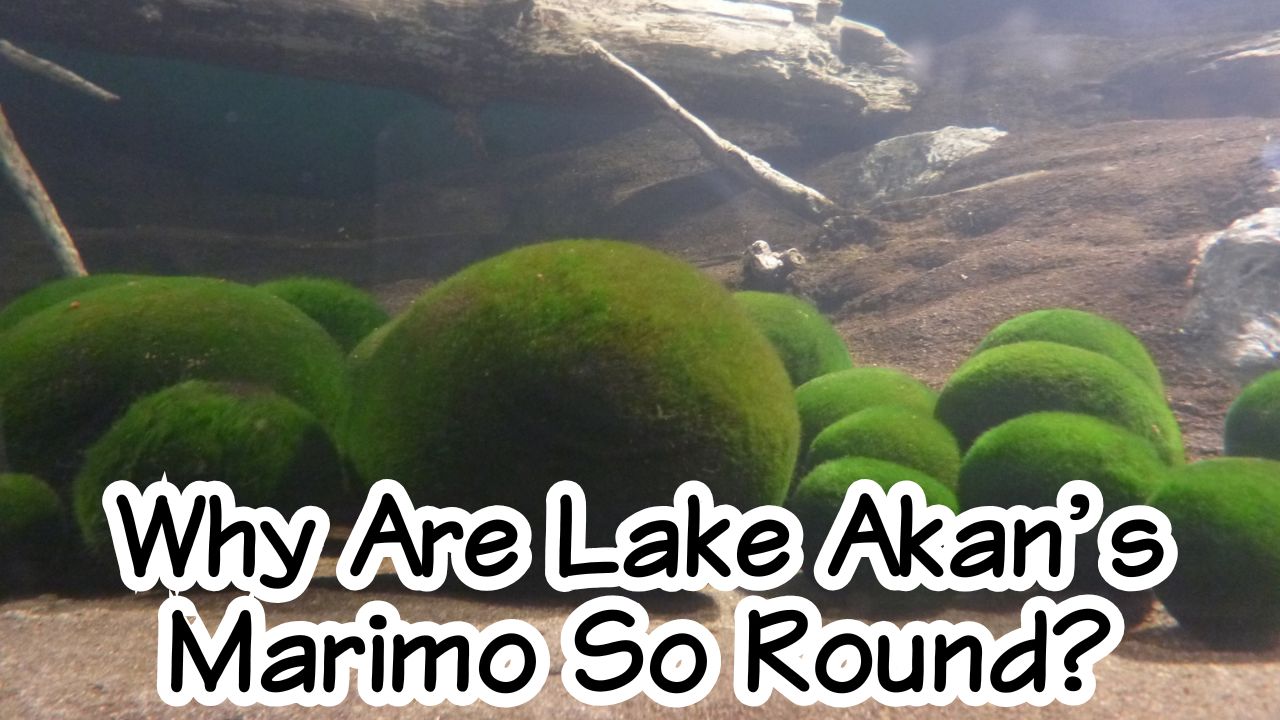
Lake Akan’s famous marimo become round because wind and waves gently move them across shallow parts of the lakebed, allowing the green algae to grow in many directions.
But waves alone are not enough. Lake Akan has a rare combination of shallow bays, light, water movement, lakebed conditions, and mineral-rich water that allows large spherical marimo to survive.

Why You Should Care
At first glance, marimo look almost too perfect to be natural.
They are green.
Soft-looking.
And surprisingly round.
But marimo are not decorations made for tourists. They are living colonies of green algae, and the giant round forms found in Lake Akan are extremely rare. Large spherical marimo grow together naturally here in a way not seen elsewhere in Japan, and Lake Akan is internationally important for their conservation.
Once you know why they exist, Lake Akan becomes more than a beautiful lake.
It becomes a place where wind, water, geology, plants, and people have worked together to create something extraordinary.
The Story Behind It
What Is a Marimo, Really?
Despite its moss-like appearance, a marimo is not moss.
It is a type of green algae.
And one round ball is not simply “one plant.” It is made from countless thin algal filaments gathered together into a colony. Marimo can also live attached to rocks or form loose, irregular mats on the lakebed.
So here is the first surprise:
Not all marimo are round.
The beautiful green balls associated with Hokkaido are only one of several ways marimo can grow.
Why Do Lake Akan’s Marimo Become Round?
This is the big “Why?”
Lake Akan has several natural conditions that work together.
Strong winds create waves across the shallow bays where spherical marimo live. These waves gently move and rotate the algae across the sandy lakebed.
As they slowly turn, different parts receive light and continue growing.
The lake’s unusual underwater landscape, shallow bays, bottom material, water movement, and mineral supply also help create conditions suitable for large spherical marimo.
Scientists have learned a great deal about this process, although the environment is complex and not every detail of marimo growth is completely understood.
Why Is Lake Akan So Special?
Marimo themselves are not found only in Lake Akan.
They occur in lakes in other parts of Japan and across the Northern Hemisphere.
What makes Lake Akan remarkable is the size and concentration of its spherical marimo. Japan’s Environment Ministry describes Lake Akan as the world’s only known habitat where large spherical marimo grow together in natural colonies.
Some marimo displayed at the Marimo Exhibition and Observation Center are more than 20 centimeters in diameter.
That is why Lake Akan is not simply “a lake with marimo.”
It is one of the most important places in the world for understanding them.
When Did Marimo Become Famous in Hokkaido?
Marimo from Lake Akan became known scientifically in the late 19th century.
Botanist Takiya Kawakami, then a student at Sapporo Agricultural College, collected marimo in Lake Akan. In 1898, he published a record of them and introduced the Japanese name “marimo,” written 毬藻.
The name is simple and beautiful.
Mari means a ball.
Mo refers to algae or aquatic plants.
In other words:
“ball algae.”
In 1921, Lake Akan’s marimo were designated a Natural Monument of Japan. Their status was upgraded to Special Natural Monument in 1952.
Marimo Almost Disappeared From Parts of Lake Akan
Their protected status did not mean they were always safe.
During the 20th century, marimo faced problems including collection, falling lake levels, disturbance from boats, and worsening water quality.
One former habitat, Shurikomabetsu Bay, lost its marimo population entirely. Even today, recovery has not been confirmed there.
Local organizations, researchers, government agencies, and residents have since worked to protect the lake and its water quality.
This history gives the perfectly round marimo a different meaning.
They are not only unusual.
They are survivors.
Why Is There a Marimo Festival at Lake Akan?
In 1950, the first Marimo Festival was held as part of efforts to protect marimo and return collected specimens to Lake Akan.
The festival developed at a time when illegal collecting and falling lake levels were threatening the population.
Today, the festival also includes Ainu ceremonies and cultural performances.
Ainu participants from around Hokkaido perform kamuynomi, a traditional prayer, and one of the best-known moments is the ceremony in which marimo are carried by dugout canoe and returned to the lake.
An important point is that the Marimo Festival itself began in the modern era as a conservation event. The Ainu ceremonies practiced today give the festival a distinctive connection between conservation, Lake Akan, and the living Ainu culture of the area.
Where Can You Actually See Real Marimo?
You cannot simply walk into Lake Akan and pick one up.
The marimo are protected.
The best place to see large spherical specimens is the Marimo Exhibition and Observation Center on Churui Island.
Visitors reach the island by sightseeing boat. Inside, tanks recreate the lakebed environment, and more than 150 marimo of different sizes are displayed, including specimens over 20 cm across.
The boat ride is part of the experience.
You cross Lake Akan surrounded by forest and volcanic mountains before arriving at the island where you can finally see the mysterious green spheres up close.
Take Home a Marimo Souvenir
A visit to Lake Akan isn’t complete without stopping by one of the local souvenir shops.
While wild marimo are protected and cannot be sold, you can purchase cultivated marimo grown for souvenirs, as well as a wide variety of marimo-themed gifts. They’re a fun way to remember your trip and make a unique souvenir from eastern Hokkaido.
Why I Recommend It
- Buy a genuine cultivated marimo
- Choose from many cute marimo souvenirs
- A unique reminder of your Lake Akan visit
- Great gifts for friends and family
Did You Know?
- Marimo are algae, not moss. Each green ball is made from many thin algal filaments.
- Not all marimo are round. They can also grow attached to rocks or as loose mats.
- Lake Akan is considered the world’s only natural habitat for colonies of large spherical marimo.
- The name “marimo” was published in 1898 by botanist Takiya Kawakami.
- Lake Akan became a Ramsar Convention wetland in 2005, recognizing its international ecological importance.
FAQ
Can I Touch Wild Marimo in Lake Akan?
No.
Lake Akan’s marimo are protected as a Special Natural Monument. Visitors should observe them through authorized facilities rather than collecting or disturbing them.
How Big Can Lake Akan Marimo Grow?
At the Marimo Exhibition and Observation Center, visitors can see specimens more than 20 cm in diameter.
Can I See Marimo in Winter?
The Marimo Exhibition and Observation Center on Churui Island closes during winter because the sightseeing boats stop operating.
However, marimo can also be seen at the Akankohan Eco-museum Center in the hot spring area.
When Is the Best Time to Visit Lake Akan?
For the Marimo Exhibition and Observation Center, late spring through autumn is best.
If you also want to experience the cultural story of marimo, the annual Marimo Festival takes place in early October.
Visit It Yourself
Location
Marimo Exhibition and Observation Center
Best Season
May–October
The facility normally operates from late April through November, but the sightseeing boat schedule changes through the season.
How to Get There
First travel to Lake Akan Onsen.
Approximate driving times are:
- Tancho Kushiro Airport → Lake Akan: about 60 minutes
- JR Kushiro Station → Lake Akan: about 80 minutes
From Lake Akan Onsen, take the sightseeing boat to Churui Island.
The standard cruise takes about 85 minutes, including around 15 minutes at the Marimo Exhibition and Observation Center.
Estimated Visit Time
About 1.5 hours for the cruise and marimo visit.
Allow half a day if you also want to explore Lake Akan Onsen and the lakeshore.
Admission Fee
As of March 2026, the standard sightseeing cruise including admission to the Marimo Exhibition and Observation Center costs:
- Adult: ¥2,700
- Child: ¥1,390
Please check the official website for the latest information.
Official Website
Akan Sightseeing Cruise official website
Final Thoughts
Lake Akan’s marimo look simple.
Just green balls sitting quietly underwater.
But their story is surprisingly complex.
They need wind.
Waves.
Light.
A particular lakebed.
Clean water.
And the right chemistry.
All of those conditions come together in Lake Akan.
Humans almost damaged that balance, and people have spent decades trying to protect it.
That is why seeing a marimo after learning its story feels different.
It is not simply a cute green ball.
It is a living result of one very special lake—and more than a century of people trying to understand and protect it.
The next time you look across Lake Akan, imagine what is happening below the surface.
Somewhere beneath the water, tiny strands of algae are being gently moved by the waves.
And, very slowly, Hokkaido’s mysterious green spheres are becoming round.









コメント