
My name is MAKO
Based in Sapporo, Hokkaido | Born and raised in Obihiro, Hokkaido | Lover of Sapporo Classic beer and fresh sashimi | Passionate about road trips and camping | Always chasing beautiful scenery
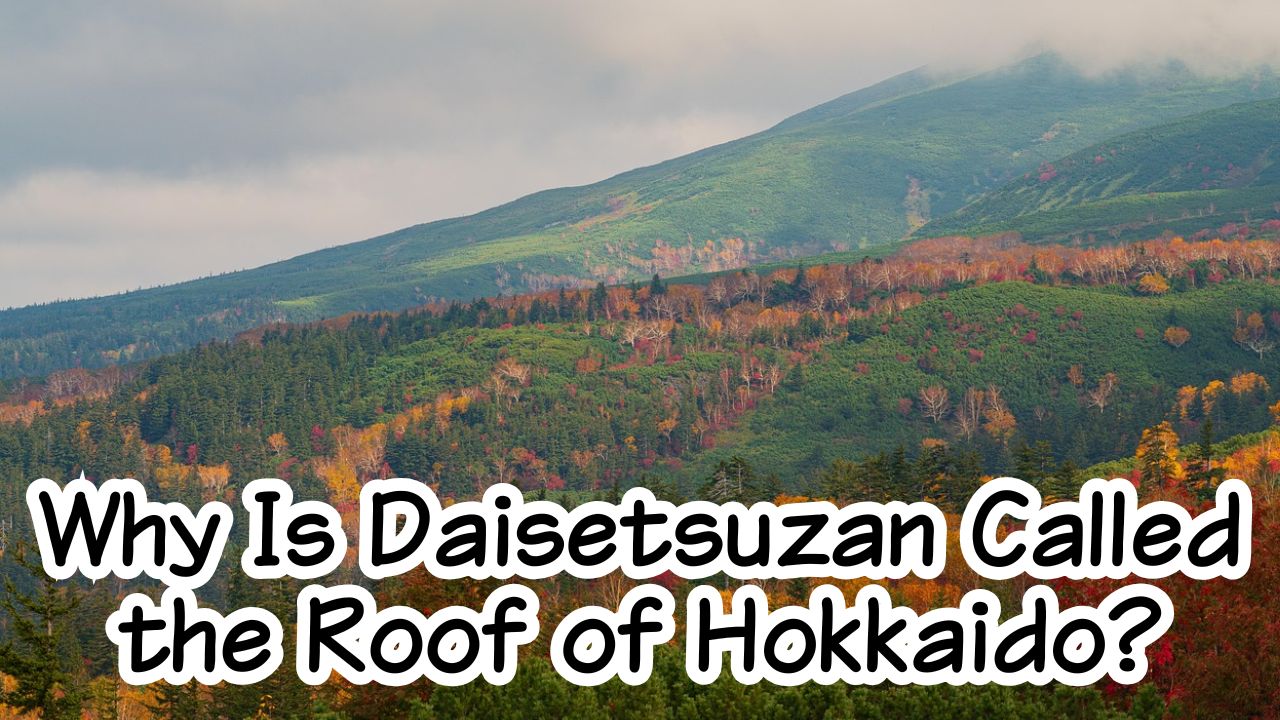
Why Is Daisetsuzan Called the Roof of Hokkaido?The Short Answer
Daisetsuzan is called the Roof of Hokkaido because it is home to Hokkaido’s highest mountains, including Mount Asahidake, the island’s tallest peak.
As Japan’s largest national park, it protects vast wilderness, volcanic landscapes, unique wildlife, and some of the country’s earliest autumn colors.

Why You Should Care
Many visitors dream of seeing Hokkaido’s lavender fields or snowy cities.
But if you truly want to understand Hokkaido, you need to visit Daisetsuzan.
This enormous mountain range is where the island’s wild spirit comes alive.
Here, you’ll find steaming volcanoes, alpine flowers, crystal-clear rivers, and wildlife living much as it has for thousands of years.
The Mountains That Rise Above Hokkaido
Daisetsuzan, meaning “Great Snowy Mountains,” is not a single mountain but a vast mountain range in central Hokkaido.
Its highest peak, Mount Asahidake (2,291 meters / 7,516 feet), is the tallest mountain in Hokkaido.
Because these peaks dominate the island’s landscape, people have long called the area the Roof of Hokkaido.
Japan’s Largest National Park
A Wilderness Bigger Than Many Cities
Established in 1934, Daisetsuzan National Park is Japan’s largest national park, covering more than 2,200 square kilometers (about 850 square miles).
The park includes volcanic mountains, forests, wetlands, rivers, and alpine plateaus.
Unlike many famous tourist destinations, much of Daisetsuzan remains untouched, giving visitors the chance to experience true wilderness.
Home to Rare Wildlife
Daisetsuzan is one of the best places in Japan to see native wildlife.
Animals living here include:
- Hokkaido brown bears
- Japanese pika (locally known as Ezo pika)
- Red foxes
- Sika deer
- Golden eagles
Because the environment is carefully protected, many species continue to thrive.
Why Are Brown Bears So Important in Hokkaido?
Daisetsuzan National Park is home to a remarkable variety of wildlife, including deer, foxes, and the iconic brown bear. As Japan’s largest land animal, the brown bear is one of the most important symbols of Hokkaido’s untouched wilderness.
Discover why this magnificent animal plays such a vital role in Hokkaido’s nature and culture.
Read next: Why Are Brown Bears So Important in Hokkaido? The Powerful Symbol of Hokkaido’s Wild Nature
A Land Shaped by Fire and Ice
Daisetsuzan is part of a volcanic region that is still active today.
Steam rises from vents near Mount Asahidake, reminding visitors that the mountains are still alive beneath the surface.
Over thousands of years, volcanic eruptions, glaciers, snow, and rivers have shaped the dramatic valleys and rugged peaks that visitors enjoy today.
The same volcanic activity also creates many nearby hot springs.
The First Place in Japan to Welcome Autumn
One of Daisetsuzan’s most famous features is its early autumn foliage.
Because of its high elevation, the leaves begin changing color here as early as September, making it one of the first places in Japan to welcome autumn.
Visitors ride the Asahidake Ropeway or hike mountain trails to enjoy spectacular views of red, orange, and yellow forests stretching across the mountains.
A Sacred Place for the Ainu People
Long before modern hiking trails existed, the Ainu, the Indigenous people of Hokkaido, regarded these mountains as sacred.
The Ainu believed that mountains, rivers, forests, and animals were home to spiritual beings known as kamuy.
Daisetsuzan was more than a beautiful landscape—it was a place to respect and live in harmony with nature.
Understanding this cultural connection helps visitors appreciate the mountains in a deeper way.
A Paradise for Outdoor Adventures
Today, Daisetsuzan attracts visitors from around the world.
Popular activities include:
- Hiking
- Ropeway rides
- Wildlife watching
- Photography
- Autumn leaf viewing
- Snowshoeing
- Backcountry skiing (with proper preparation and guidance)
Whether you spend an hour at the ropeway or several days trekking through the mountains, Daisetsuzan offers unforgettable experiences in every season.
Alpine Flowers You Should See in Daisetsuzan
Daisetsuzan is often called the “Roof of Hokkaido,” but it’s also one of Japan’s best places to see alpine flowers. During the short summer, colorful blooms cover the mountain trails, creating a beautiful contrast with the rugged volcanic landscape.
Here are my three favorite flowers to look for during your hike.
Komakusa – The Queen of Alpine Flowers
Komakusa is one of the most famous alpine flowers in Japan and a true symbol of Daisetsuzan.
Despite growing in rocky volcanic soil, it produces delicate pink flowers that resemble tiny hearts. Its ability to thrive in such a harsh environment makes it one of the mountain’s most remarkable plants.
Why I Recommend It
- Known as the “Queen of Alpine Flowers”
- Beautiful pink flowers
- Grows on volcanic slopes
- One of Daisetsuzan’s most iconic plants
Ezo-Tsugazakura (Phyllodoce aleutica)
One of the first flowers to bloom after the snow melts, Ezo-Tsugazakura covers the mountainsides with delicate pink bell-shaped flowers.
You’ll often find it growing in large patches, adding soft colors to the alpine landscape.
Why I Recommend It
- One of the first flowers of summer
- Beautiful pink blossoms
- Easy to spot along hiking trails
Chinguruma (Geum pentapetalum)
Although famous for its white flowers, Chinguruma becomes even more recognizable later in the season when its fluffy, feather-like seed heads appear.
These unique seed heads sway in the mountain breeze and are one of the signature sights of Daisetsuzan.
Why I Recommend It
- Beautiful white flowers in early summer
- Unique fluffy seed heads later in the season
- One of Hokkaido’s most beloved alpine plants
Sample Itineraries for Visiting Daisetsuzan
Daisetsuzan is one of Hokkaido’s greatest natural treasures, but it’s located several hours from New Chitose Airport. To make the most of your visit, it’s a good idea to plan your trip around the park rather than trying to visit as a quick day trip. Here are two sample itineraries I recommend. Public transportation is available, but a rental car offers the greatest flexibility.
3-Day Scenic Trip to Daisetsuzan
This itinerary is perfect if you want to enjoy the scenery without tackling a full mountain climb.
Day 1
- Arrive at New Chitose Airport
- Drive or take the train to Asahikawa
- Stay overnight in Asahikawa
Day 2
- Visit Asahidake Ropeway
- Walk around Sugatami Pond
- Relax in Asahidake Onsen
- Stay overnight in Asahikawa or Asahidake Onsen
Day 3
- Return to New Chitose Airport
This plan lets you experience Hokkaido’s alpine scenery at a relaxed pace.
4-Day Hiking Adventure
If you’re planning to climb one of Daisetsuzan’s peaks, give yourself an extra day.
Day 1
- Arrive at New Chitose Airport
- Travel to Asahikawa
- Stay overnight
Day 2
- Travel to Asahidake
- Ride the ropeway
- Hike Mount Asahidake
- Stay in Asahidake Onsen or Asahikawa
Day 3
- Explore nearby attractions such as Biei, the Blue Pond, or Furano
- Stay overnight
Day 4
- Return to New Chitose Airport
Adding an extra day gives you more flexibility if mountain weather changes, which is common in Daisetsuzan.
Did You Know?
- Daisetsuzan National Park is Japan’s largest national park.
- Mount Asahidake is Hokkaido’s highest mountain at 2,291 meters (7,516 feet).
- Autumn colors often appear here weeks before most of Japan.
- The Japanese pika survives only in cool alpine environments.
- Daisetsuzan contains several active volcanoes and numerous natural hot springs.
FAQ
Is Daisetsuzan one mountain?
No. Daisetsuzan is a mountain range that includes several peaks, including Mount Asahidake.
When is the best time to visit?
Summer is excellent for hiking, while September is famous for early autumn colors. Winter is popular for snow sports.
Can beginners visit Daisetsuzan?
Yes. The Asahidake Ropeway allows visitors to enjoy alpine scenery without a long hike. There are also trails for different experience levels.
Are there brown bears in Daisetsuzan?
Yes. Hokkaido brown bears live in the park. Visitors should follow park guidelines and carry bear bells when hiking.
Is Daisetsuzan suitable for families?
Yes. Families can enjoy ropeway rides, scenic walks, and visitor centers, while experienced hikers can explore more challenging trails.
Visit It Yourself
Location
Daisetsuzan National Park, Central Hokkaido(https://maps.app.goo.gl/frEqCBBWUzs6VBwx5)
Best Season
- June–August for hiking and alpine flowers
- September–October for autumn foliage
- December–March for snow scenery and winter sports
How to Get There
- About 1 hour by car from Asahikawa to the Asahidake Ropeway.
- Rental cars provide the most flexibility for exploring the park.
Estimated Visit Time
Half a day for the ropeway and short walks, or 1–3 days for hiking and exploring different areas.
Admission Fee
Entry to the national park is free.
The Asahidake Ropeway charges a separate fare.
Please check the official website for the latest information.
Official Website
- Daisetsuzan National Park(https://www.daisetsuzan.or.jp/)
- Asahidake Ropeway(https://asahidake.hokkaido.jp/ja/)
- Hokkaido Official Tourism Website(https://www.visit-hokkaido.jp/)
Final Thoughts
Daisetsuzan isn’t simply the highest place in Hokkaido.
It is the island’s natural heart.
Its volcanoes create hot springs. Its forests shelter wildlife. Its rivers supply fresh water. Its mountains remind us how wild and beautiful Hokkaido truly is.
When you stand on the Roof of Hokkaido, you’re not just looking at a landscape.
You’re looking at the source of many of the natural wonders that make Hokkaido unforgettable.






コメント