

My name is MAKO
Based in Sapporo, Hokkaido | Born and raised in Obihiro, Hokkaido | Lover of Sapporo Classic beer and fresh sashimi | Passionate about road trips and camping | Always chasing beautiful scenery
Why Are There So Many Deer in Hokkaido?The Short Answer
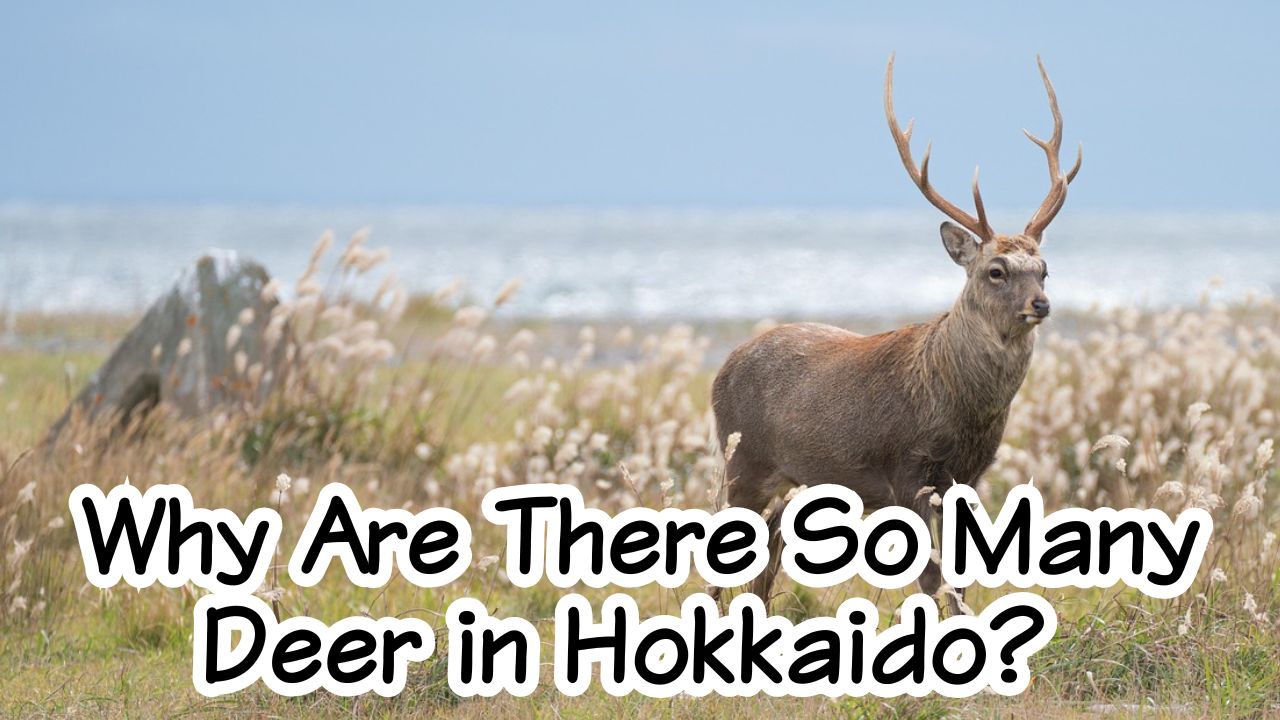
Hokkaido is home to a large population of Ezo sika deer, a native subspecies found only in northern Japan.
Their numbers have grown because of Hokkaido’s vast forests, the disappearance of natural predators, and successful conservation efforts in the past.

Why You Should Care
Seeing wild deer is one of the unforgettable experiences of traveling in Hokkaido.
But these animals are much more than cute wildlife. They are an important part of Hokkaido’s nature, culture, and even its modern challenges.
Once you understand why there are so many deer, you’ll see Hokkaido’s forests and grasslands in a completely different way.
Meet the Ezo Sika Deer
The deer you see in Hokkaido are called Ezo sika deer.
“Ezo” is the old name for Hokkaido, and these deer are a subspecies of the Japanese sika deer.
They are generally larger than deer found in other parts of Japan because they have adapted to Hokkaido’s cold climate.
In summer, their coats are reddish-brown with white spots. In winter, they grow thicker gray-brown fur to survive the snow and freezing temperatures.
Hokkaido Is the Perfect Home for Deer
One reason there are so many deer is simple.
Hokkaido has one of the largest natural landscapes in Japan.
The island is filled with:
- Vast forests
- Open grasslands
- Wetlands
- National parks
- Quiet mountain areas
These environments provide plenty of food, clean water, and safe places for deer to live.
Unlike many crowded regions of Japan, Hokkaido still has large areas where wildlife can thrive.
Why Is the Air So Clean in Hokkaido?
Hokkaido’s vast forests and unspoiled natural landscapes don’t just provide the perfect habitat for wild sika deer—they also help create the island’s famously fresh and clean air. Discover why so many visitors notice the difference the moment they arrive.
Read next: Why Is the Air So Clean in Hokkaido? The Fresh Secret You’ll Notice the Moment You Arrive

Why Did Their Numbers Increase?
Many visitors think there have always been this many deer.
In fact, the population has changed dramatically over time.
During the late 1800s, severe winters greatly reduced the number of deer.
Later, hunting regulations helped the population recover.
At the same time, wolves—the deer’s natural predator in Hokkaido—had already become extinct.
Without wolves, more deer survived each year.
Modern farming also created open fields where deer could easily find food.
As a result, the deer population grew rapidly during the late 20th century.
A Success Story That Became a New Challenge
Today, the growing deer population is both a blessing and a challenge.
Seeing wild deer is exciting for travelers.
However, large numbers of deer can also damage forests, farms, and local ecosystems.
They sometimes wander onto roads, causing traffic accidents, especially at dawn and dusk.
This is why you’ll often see “Watch for Deer” signs while driving across Hokkaido.
Where Can You See Wild Deer in Hokkaido?
One of the best things about traveling in Hokkaido is that you don’t always have to visit a zoo to see wildlife.
In many parts of the island, wild Ezo sika deer live close to nature—and sometimes surprisingly close to people.
Here are some of the best places to see them.
Shiretoko National Park
Shiretoko is one of Japan’s most famous wildlife destinations and a UNESCO World Heritage Site.
Deer are commonly seen along roads, hiking trails, and even near the coast.
If you visit early in the morning or around sunset, there’s a good chance you’ll spot several deer during a single drive.
Why Is Shiretoko a World Heritage Site?
Shiretoko is one of the best places in Hokkaido to see wild sika deer living in their natural habitat. But this remote peninsula is famous for much more than its wildlife. Discover why Shiretoko became a UNESCO World Heritage Site and why it is considered one of Japan’s last great wilderness areas.
Read next: Why Is Shiretoko a World Heritage Site? The Untamed Story of Hokkaido’s Wild Peninsula

Kushiro Marsh
Japan’s largest wetland is home to many wild animals, including deer.
The open grasslands make it easy to spot them throughout the year.
The area is also famous for red-crowned cranes, making it a perfect destination for wildlife lovers.
Why Is Kushiro Shitsugen So Famous?
Kushiro Marsh is more than just one of the best places to see wild deer. It’s Japan’s largest wetland and one of the country’s most important wildlife habitats, home to Ezo deer, red-crowned cranes, and many other native species. Discover how this vast landscape was formed and why it has become one of Hokkaido’s greatest natural treasures.
Read next: Why Is Kushiro Shitsugen So Famous? The Story Behind Japan’s Largest Wetland
Notsuke Peninsula
Notsuke Peninsula offers one of the highest chances of seeing deer in Hokkaido.
The peninsula’s quiet roads, coastal grasslands, and forests provide an ideal habitat.
Sometimes deer calmly walk alongside the road or rest near the shoreline.
Daisetsuzan National Park
Japan’s largest national park is another excellent place to see deer.
They are often spotted near mountain roads and trailheads during the warmer months.
The combination of alpine scenery and wildlife makes this one of Hokkaido’s most unforgettable landscapes.
Why Is Daisetsuzan Called the Roof of Hokkaido?
Daisetsuzan National Park is another wonderful place to encounter wild sika deer while exploring Hokkaido’s mountains. Learn why Daisetsuzan is known as the “Roof of Hokkaido” and discover the breathtaking landscapes, alpine flowers, and wildlife that make it the largest national park in Japan.
Read next: Why Is Daisetsuzan Called the Roof of Hokkaido? The Story Behind Hokkaido’s Greatest Wilderness
Deer and the Ainu People
Long before modern cities appeared, the Ainu people lived alongside Hokkaido’s wildlife.
Deer provided food, clothing, and materials for daily life.
Nothing was wasted.
The Ainu believed that animals were gifts from the natural world and treated them with respect.
This relationship reminds us that deer are not simply tourist attractions—they have been part of Hokkaido’s history and culture for centuries.
Why Was Upopoy Created?
The Ainu people have lived alongside Hokkaido’s nature for centuries, and Ezo deer played an important role in their daily life and culture. Learn more about Ainu traditions and their deep connection with nature at Upopoy, Hokkaido’s National Ainu Cultural Center.
Read next: Why Was Upopoy Created? The Story Behind Hokkaido’s National Ainu Cultural Center
How to Watch Deer Safely
Seeing wild deer is exciting, but remember that they are still wild animals.
When you encounter deer:
- Keep a safe distance.
- Never feed them.
- Stay quiet and avoid sudden movements.
- If you’re driving, slow down, especially around sunrise and sunset.
- Be patient and let deer cross the road safely.
Respecting wildlife helps protect both the animals and future visitors.
Did You Know?
- Ezo sika deer are found only in Hokkaido.
- Adult males grow large antlers that are shed and regrown every year.
- Deer are most active during sunrise and sunset.
- Winter coats help them survive temperatures far below freezing.
- Hokkaido has hundreds of thousands of wild deer, making them one of the island’s most common large mammals.
FAQ
Are deer dangerous?
Usually not. However, they are wild animals, so always keep a safe distance and never try to touch or feed them.
Where is the best place to see deer?
Shiretoko National Park, Kushiro Marsh, Notsuke Peninsula, and Daisetsuzan National Park are among the best locations.
Can I see deer in winter?
Yes. Deer remain active throughout the year, and they are often easier to spot against snowy landscapes.
Why are there so many deer in Hokkaido?
The combination of vast natural habitats, the extinction of wolves, conservation efforts, and abundant food sources has allowed the population to grow.
What should I do if I see a deer while driving?
Slow down immediately, avoid sudden swerves, and be aware that other deer may follow behind the first one.
Visit It Yourself
Best Places
- Shiretoko National Park(https://maps.app.goo.gl/cm9jymR13v3RMREY9)
- Kushiro Marsh National Park(https://maps.app.goo.gl/BCE1MiEPCCRiwd9x8)
- Notsuke Peninsula(https://maps.app.goo.gl/7oAEMCLZTv9YsEzD8)
- Daisetsuzan National Park(https://maps.app.goo.gl/PiUzWKAN4gWHAt8f6)
- Akan-Mashu National Park(https://maps.app.goo.gl/BCE1MiEPCCRiwd9x8)
Best Season
Spring through autumn offers the best opportunities for wildlife watching.
Winter also provides excellent visibility, especially in eastern Hokkaido.
How to Get There
The easiest way to explore Hokkaido’s wildlife areas is by rental car, as many of the best viewing spots are in remote locations.
Estimated Visit Time
Allow half a day to a full day, depending on the destination and your wildlife-viewing plans.
Admission Fee
Most natural areas are free to visit.
Some visitor centers or guided tours may charge a fee.
Please check the official website for the latest information.
Official Websites
- Hokkaido Official Tourism(https://www.visit-hokkaido.jp/)
- Shiretoko National Park(https://center.shiretoko.or.jp/)
- Kushiro Marsh National Park(https://ja.kushiro-lakeakan.com/overview/13964/)
Final Thoughts
Hokkaido’s deer are more than just beautiful animals you happen to see during your trip.
They are part of the island’s history, its forests, and its culture. For centuries, they have shared the land with the Ainu people and have adapted to one of Japan’s wildest landscapes.
Today, they remind us that Hokkaido is still a place where nature plays a leading role.
If you are lucky enough to encounter an Ezo sika deer during your journey, take a moment to simply watch. That quiet moment may become one of your favorite memories of Hokkaido.






コメント